2026 Best 56G QSFP+ Active Optical Cable Features and Benefits?
The rise of high-speed data transmission has led to the development of the 56G QSFP+ Active Optical Cable. This innovative technology is essential for modern data centers and telecommunications. It offers impressive bandwidth and efficiency, which is crucial in today's digital landscape.
With the increasing demand for faster connectivity, the features and benefits of the 56G QSFP+ Active Optical Cable are becoming more evident. These cables deliver superior performance over longer distances, which traditional copper solutions struggle to achieve. However, some may find the integration of this technology challenging due to its complexity and cost.
The advantages are clear. Enhanced data rates improve overall network performance. Yet, users should consider the installation requirements and compatibility issues. As we explore the features of the 56G QSFP+ Active Optical Cable, it is important to reflect on both its strengths and potential hurdles in real-world applications.

Overview of 56G QSFP+ Active Optical Cables
56G QSFP+ Active Optical Cables (AOCs) are revolutionizing high-speed data connections. These cables are designed to meet the increasing demands of data centers and enterprise networks. They support a bandwidth of 56 Gbps, which is essential for high-performance computing and storage applications. According to industry research, the global AOC market is expected to grow significantly, with a projected CAGR of 20% by 2026.
The lightweight and flexible design of 56G QSFP+ AOCs allows for easier installation. This presents a crucial advantage in tight and crowded spaces typically found in data centers. Additionally, these cables consume less power, contributing to overall energy savings. Industry data suggests that AOCs can reduce power consumption by up to 35% compared to traditional copper cabling solutions. However, they have limitations in terms of distance; while they excel in short-range applications, overreliance on them in long-distance setups can lead to potential issues.
Tips: When considering AOCs, evaluate the specific distance requirements. Ensure compatibility with existing equipment to avoid integration challenges. Installation is critical; cables must not be excessively bent or stretched to maintain signal integrity. Learning from previous installations can guide improvements in planning future setups.
Key Features of 2026's Best 56G QSFP+ Active Optical Cables
The 56G QSFP+ Active Optical Cables (AOCs) are revolutionizing data transmission. They are designed to support a wide range of applications, including data centers, high-performance computing, and telecommunications. The demand for bandwidth continues to grow, with a market report indicating that 56G AOCs can meet this need effectively.
One significant feature of these cables is their lightweight design. They are easier to install and manage compared to traditional copper cables, weighing more than 40% less. This reduction in weight can lead to significant improvements in cable management and airflow in server racks. Additionally, these cables support high data rates while maintaining low power consumption. Reports show that AOCs operate at lesser energy levels than copper alternatives.
The optical fiber technology used in 56G AOCs provides superior performance over long distances. These cables can transmit data over 100 meters without signal degradation. However, installation can be tricky in real environments. For instance, bending and twisting of cables during setup may lead to reduced performance. It's essential to handle them with care. Despite their benefits, users must remain cautious about potential limitations. Understanding these aspects is vital for maximizing performance in various applications.
Advantages of Using 56G QSFP+ Active Optical Cables in Networking
56G QSFP+ Active Optical Cables (AOC) provide numerous advantages in networking. These cables support high data rates and long distances effectively. They are essential for data centers and enterprise networks that require fast, reliable connections. With data transmission speeds reaching 56 Gbps, they ensure smooth performance across various applications.
Using 56G QSFP+ AOCs helps reduce power consumption. These cables are lighter and more flexible than traditional copper cables, making installation easier. They can also support higher port densities, which is crucial for maximizing space in data centers. Lower power use means reduced operational costs, making them a smart investment.
**Tip:** Always check compatibility with existing equipment before purchasing. Ensure the cable meets the necessary specifications for your network setup.
Incorporating AOCs can lead to improved overall network performance. However, improper installation may lead to signal loss. Regularly inspect connections to avoid potential issues. Achieving optimal performance requires attention to detail in maintenance.
**Tip:** Periodic testing of cables can identify issues early. This proactive approach helps maintain a stable network.
Comparative Analysis of 56G QSFP+ Cable vs. Traditional Cables
The 56G QSFP+ Active Optical Cable offers distinct advantages over traditional cables. Its lightweight design enhances flexibility in data center layouts. Unlike copper cables, the optical fibers in QSFP+ cables provide high bandwidth capacity. This means faster data transmission rates, reducing latency significantly.
One may argue that traditional cables are more familiar and often perceived as reliable. However, they can struggle with distance limitations. In contrast, 56G QSFP+ cables effectively transmit signals over longer distances, up to several hundred meters. This capability is essential for modern data centers that require high-performance connectivity.
Additionally, installation of optical cables can be more complex. Proper handling and care are necessary, which can deter some users. But the benefits are clear. Superior performance often outweighs these initial learning curves. Exploration and adaptation pave the way for improved efficiency and future-proofing of network infrastructure.
2026 Comparative Analysis of 56G QSFP+ Active Optical Cables vs. Traditional Cables
Applications and Industry Trends for 56G QSFP+ Active Optical Cables
The use of 56G QSFP+ active optical cables is rapidly growing in various industries. These cables offer high-speed data transmission, making them essential for data centers and high-performance computing applications. Their lightweight design and flexibility significantly simplify installation and improve airflow. This is crucial for modern data centers that prioritize both performance and energy efficiency.
In the telecommunications sector, 56G QSFP+ cables enable faster communication. They support high-bandwidth applications that require low latency. However, challenges remain. Users must evaluate compatibility with existing systems. There's also the concern of signal degradation over longer distances. Careful planning and testing can mitigate these issues, ensuring reliable performance.
Emerging technologies like AI and 5G are driving demand for these cables. Industries are shifting towards adopting faster interconnect solutions. It's evident that the future will require ever-increasing data speeds. But not all organizations are prepared for this shift. Companies need to invest in infrastructure upgrades. Adopting new technologies can often mean adapting quickly or falling behind.

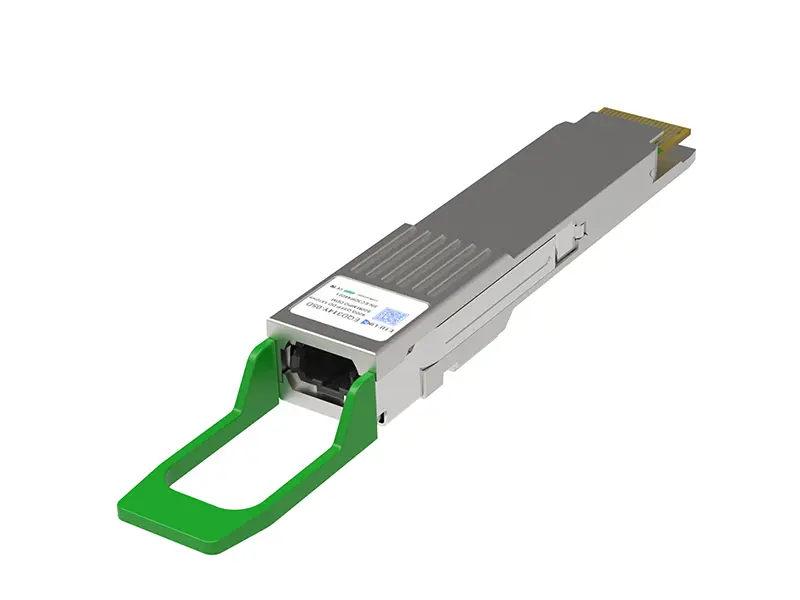 400G
400G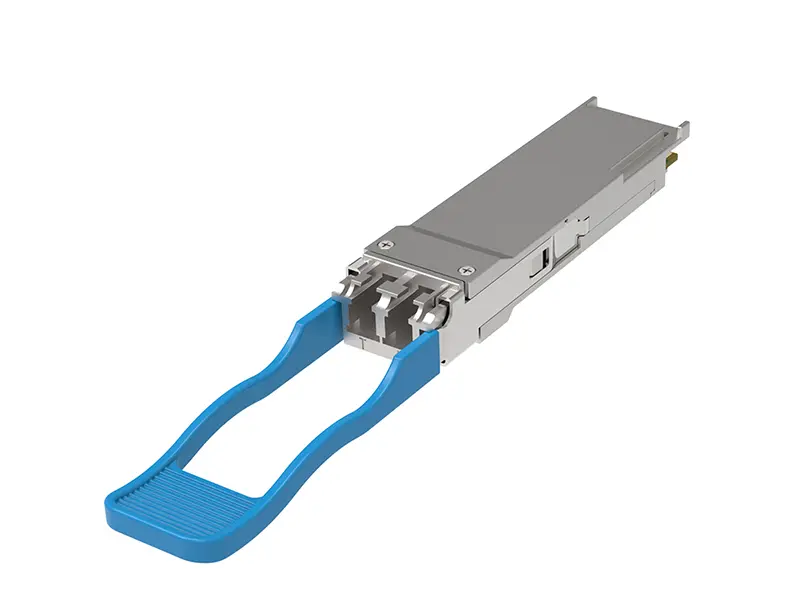 200G
200G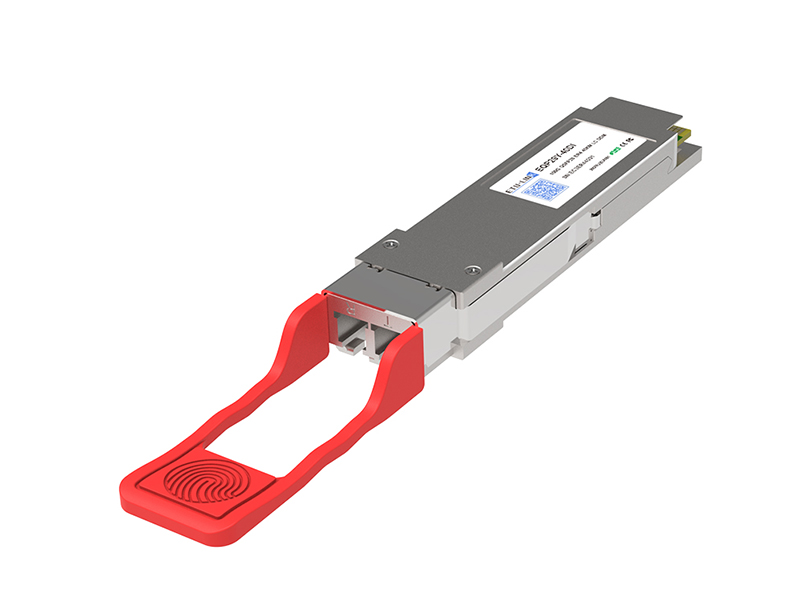 100G
100G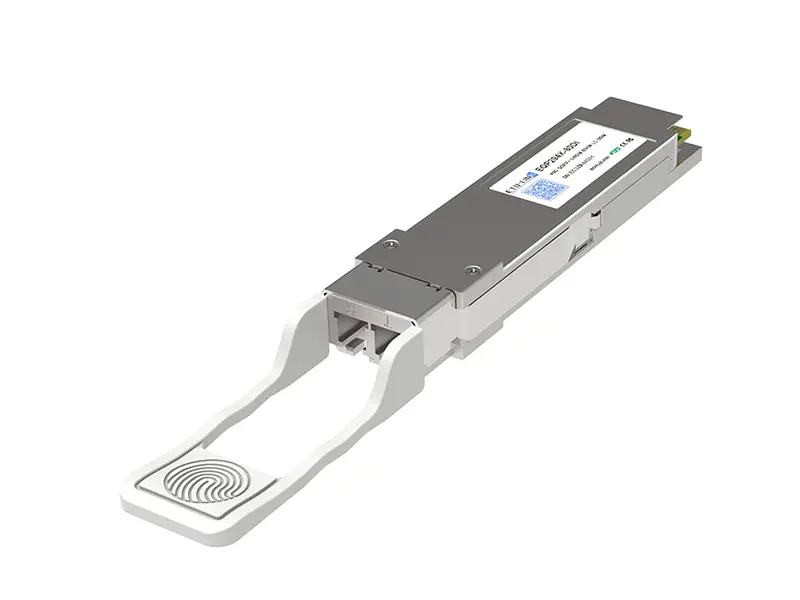 40G
40G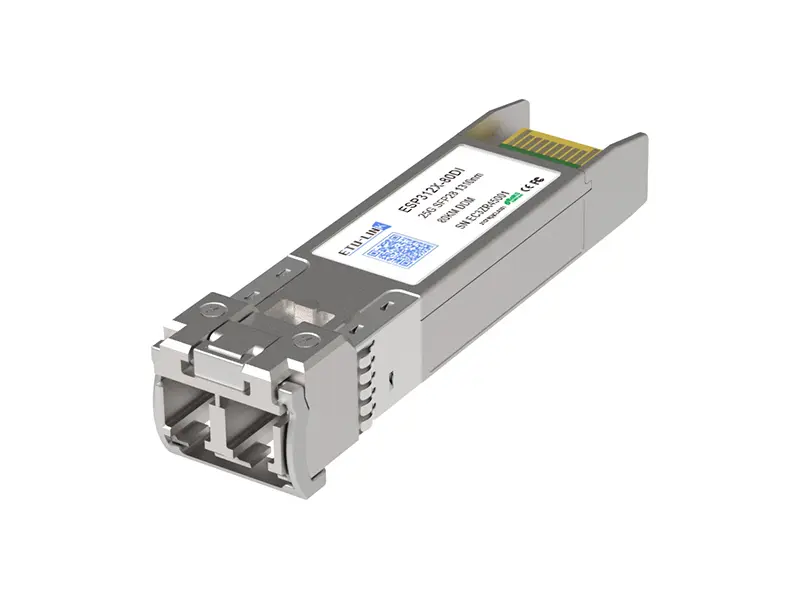 25G
25G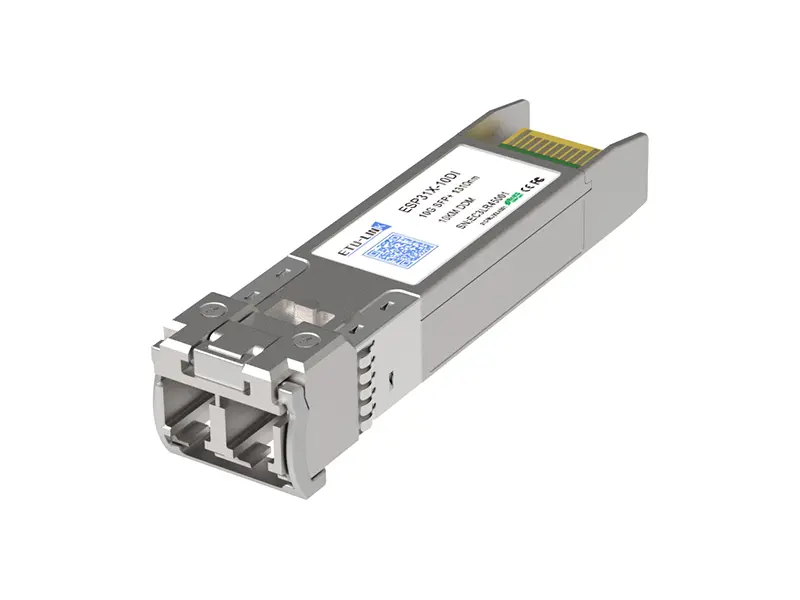 10G
10G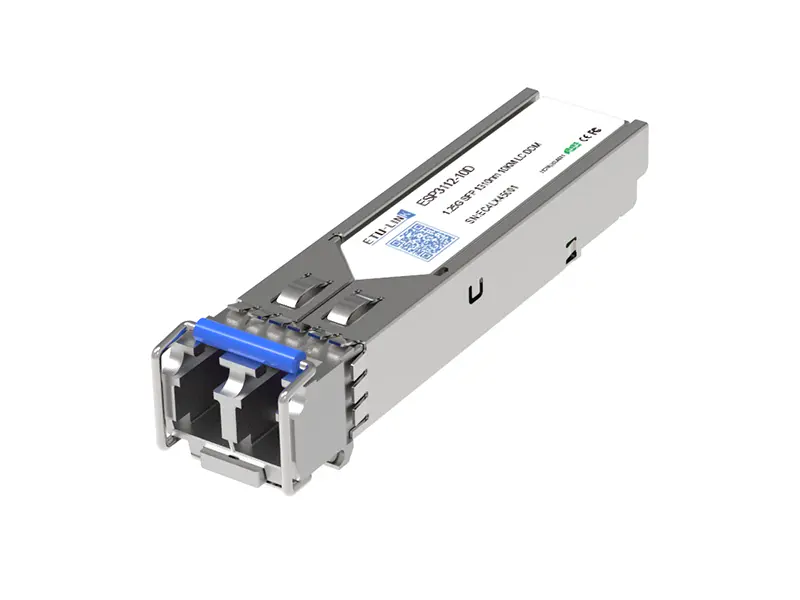 1G
1G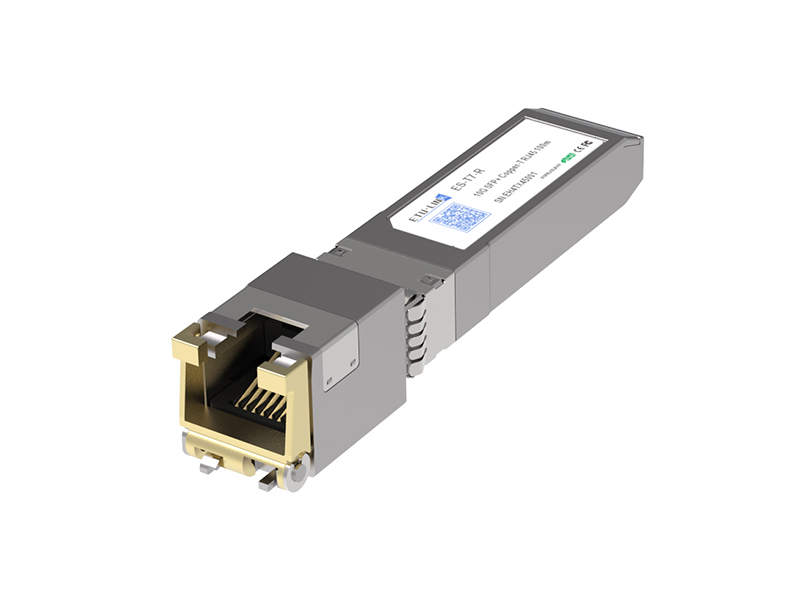 COPPER-T
 Other
Other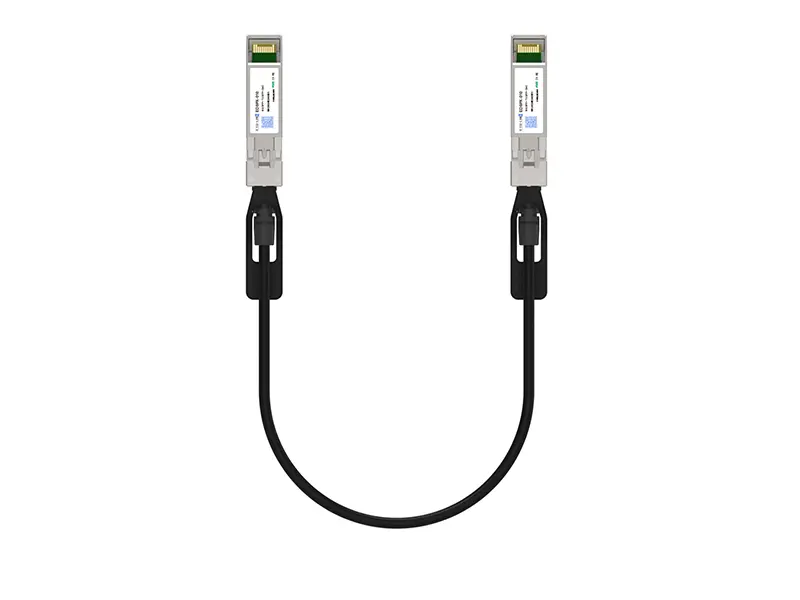 10G SFP+ DAC
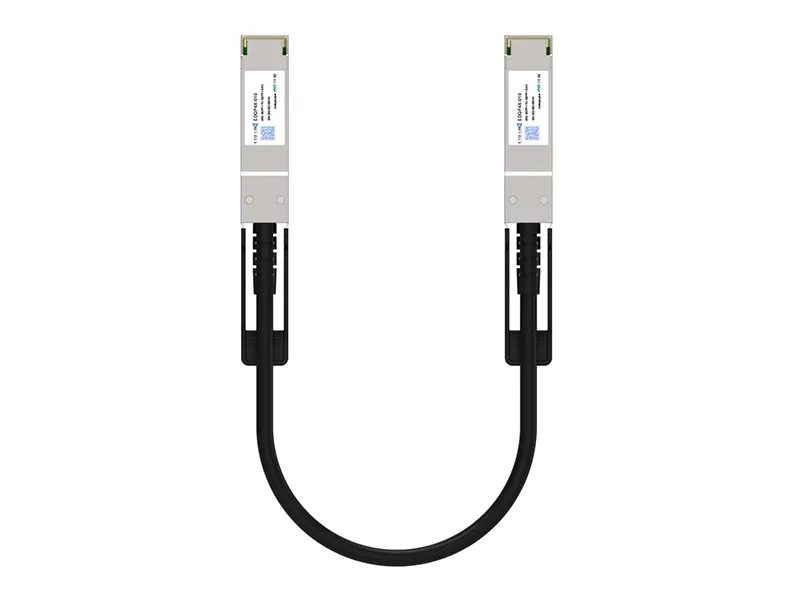 40G QSFP+ DAC
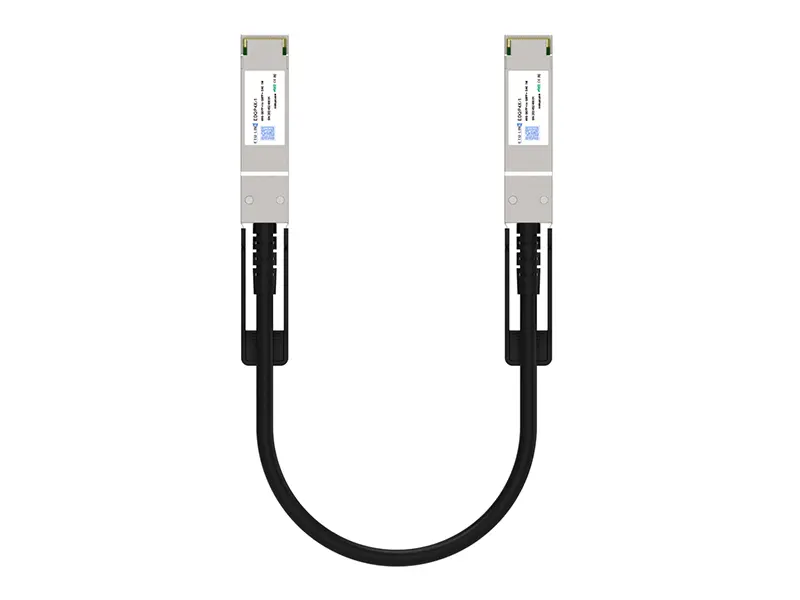 56G QSFP+ DAC
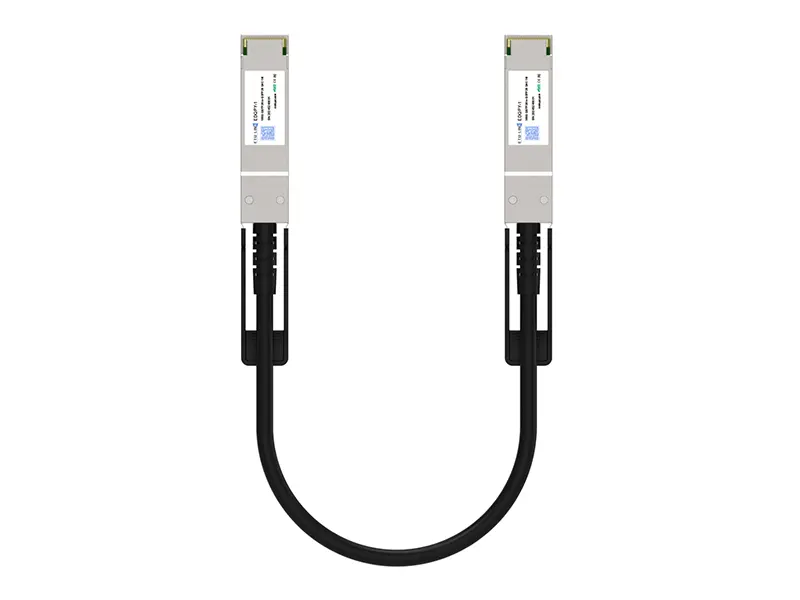 100G QSFP28 DAC
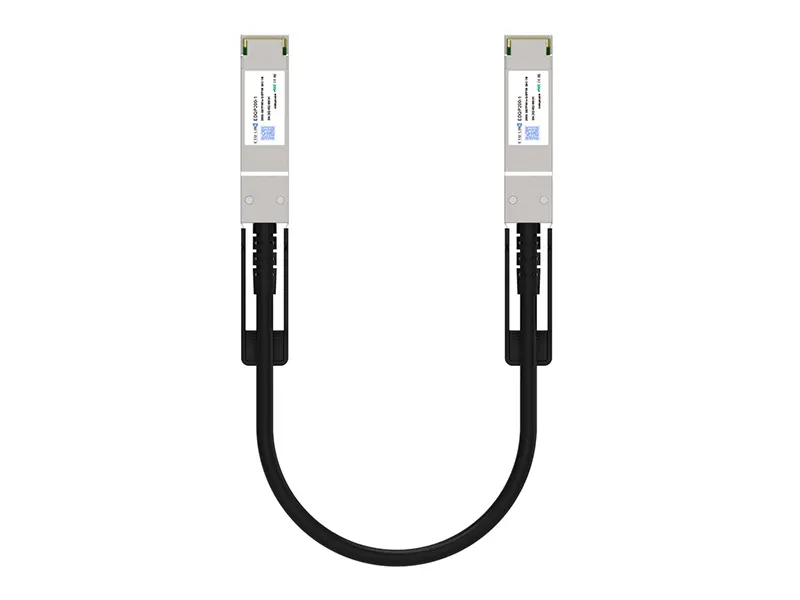 200G QSFP56 DD DAC
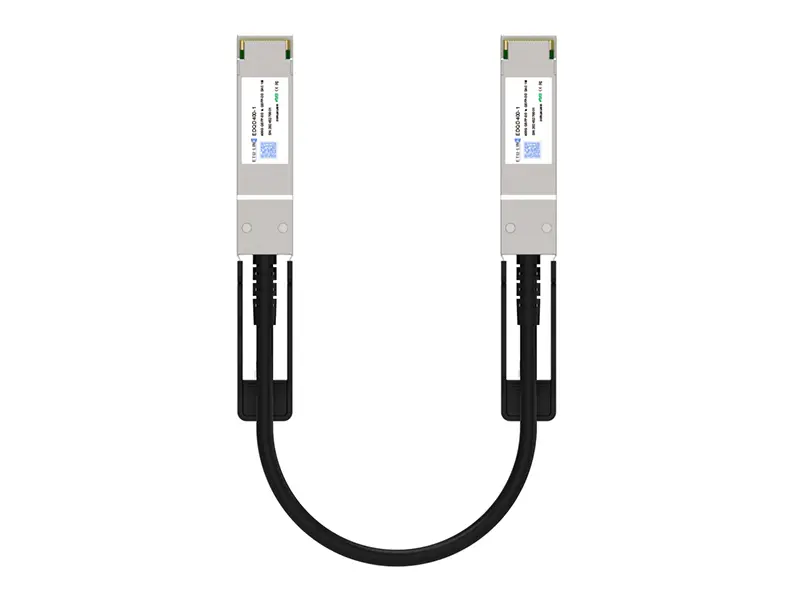 400G QSFP DD DAC
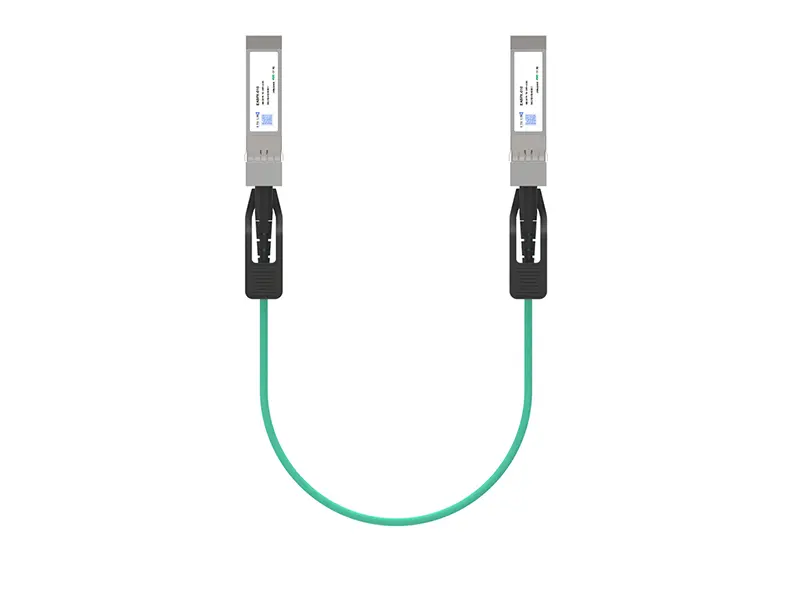 10G SFP+ AOC
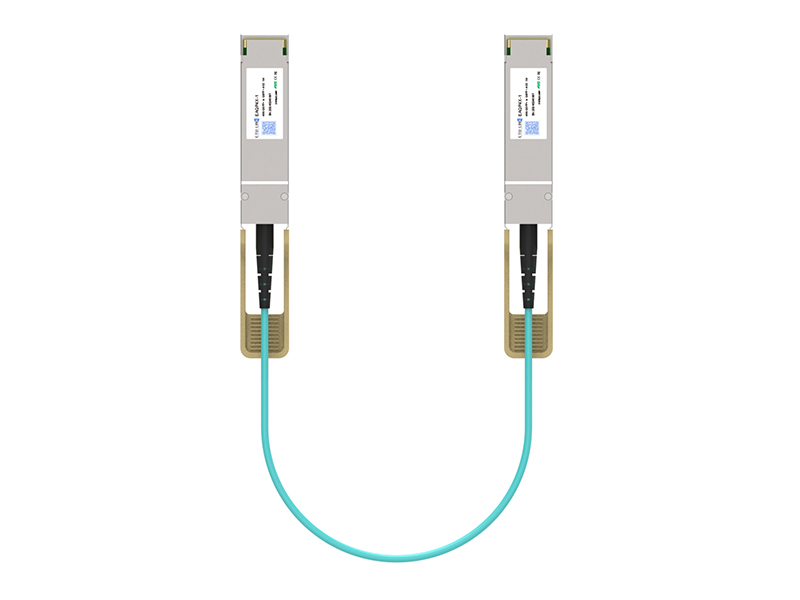 40G QSFP+ AOC
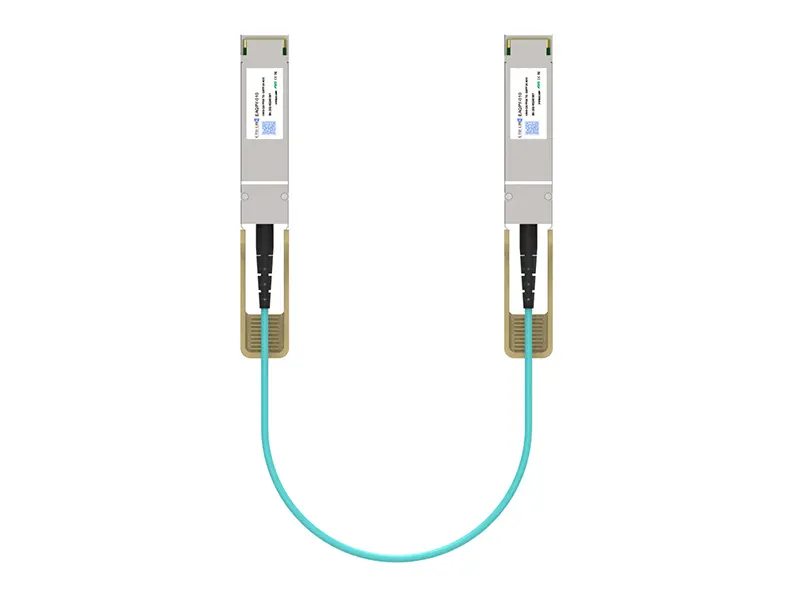 100G QSFP28 AOC
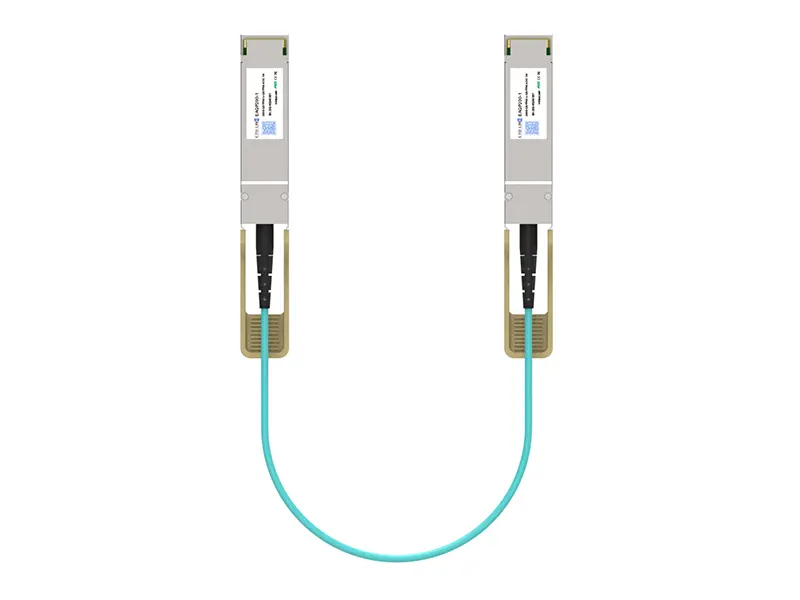 200G QSFP56 AOC
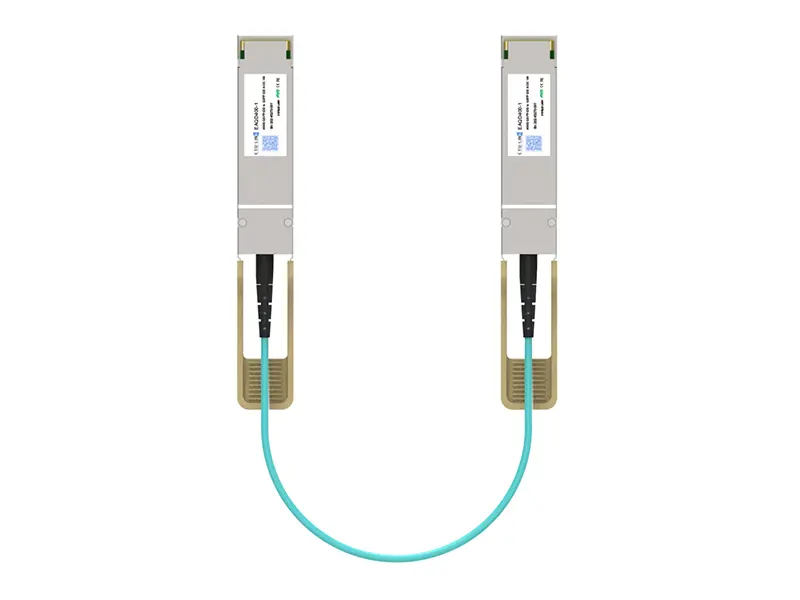 400G QSFP-DD AOC
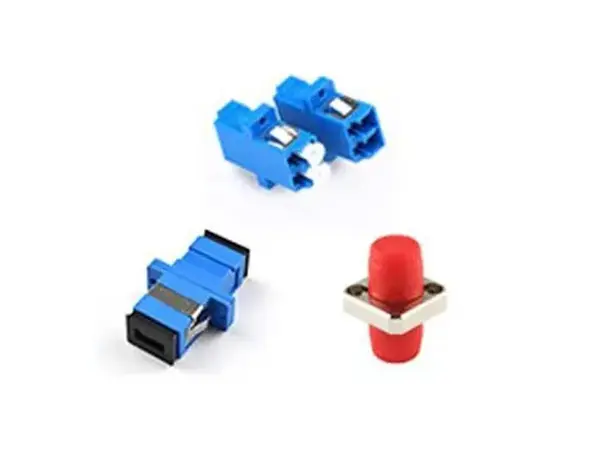 Adapter Details
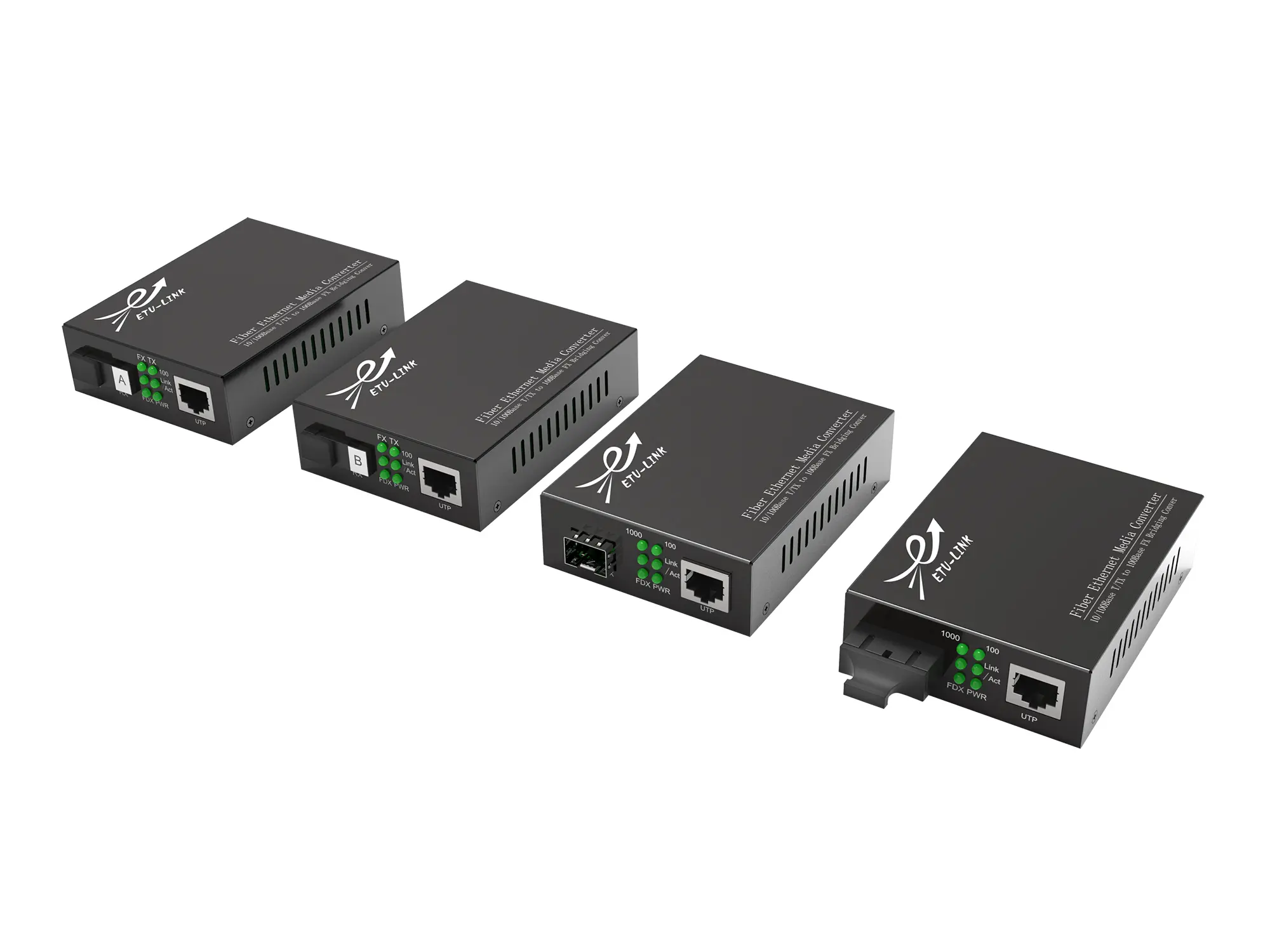 Media Converter