2025 Guide: How to Choose the Best 100G QSFP28 Active Optical Cable
In the rapidly evolving world of networking technology, selecting the right components is crucial for optimizing performance and ensuring future scalability. The 100G QSFP28 Active Optical Cable (AOC) has emerged as a significant solution for high-speed data connectivity, particularly in data centers and high-performance computing environments. According to Dr. Emily Carter, a leading expert in optical communications, "The 100G QSFP28 Active Optical Cable is not just a technical specification; it's a critical element that enhances the efficiency and speed of data transmission in modern infrastructures."
As organizations increasingly demand higher bandwidth and lower latency, understanding how to choose the best 100G QSFP28 Active Optical Cable becomes essential. With a range of options available, including different lengths, technologies, and pricing, navigating the market can be overwhelming for both technical and procurement teams. In this guide, we will explore key considerations for selecting the optimal cable, ensuring that your network is equipped to handle the demands of today and tomorrow.
From performance metrics to installation tips, this comprehensive overview aims to provide the insights needed to make informed decisions in this dynamic field. Whether you're upgrading an existing system or planning a new deployment, staying informed about the latest trends in 100G QSFP28 Active Optical Cables is vital for maintaining a competitive edge.

Understanding 100G QSFP28 Active Optical Cables
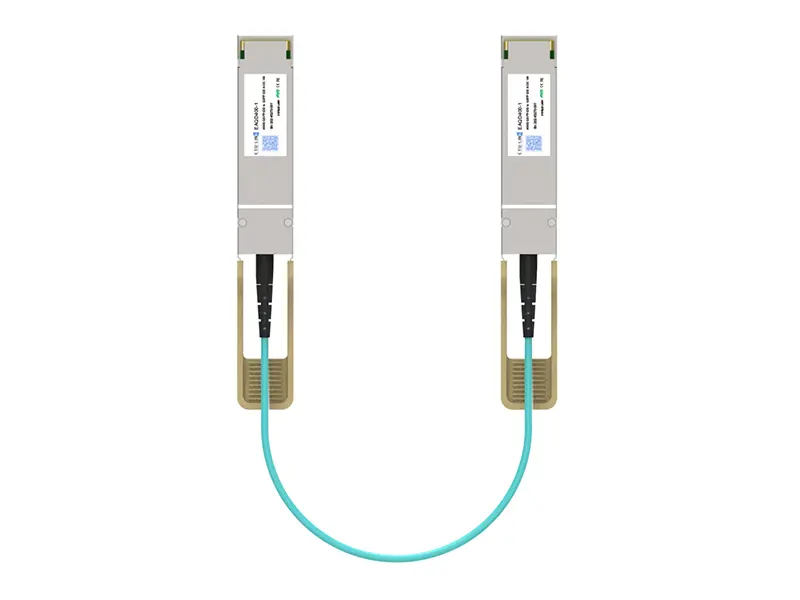
100G QSFP28 Active Optical Cables (AOCs) are increasingly becoming the backbone of high-speed data communication in data centers and enterprise networks. These cables utilize advanced optical technology to transmit data at speeds of 100 gigabits per second, which significantly improves overall performance and bandwidth. According to a report from Market Research Future, the global market for optical interconnects is expected to grow at a CAGR of 20% from 2021 to 2027, highlighting the increasing demand for high-speed data solutions.
The main advantage of AOCs over traditional copper cables lies in their lightweight and flexible design, allowing easier installation and routing in dense environments. AOCs use multimode fiber, enabling reduced signal loss over longer distances—up to 100 meters, which is particularly beneficial for data centers where space is at a premium. The Optical Fiber Telecommunications (OFT) Conference reported that AOCs consume less power and offer higher-density solutions compared to copper alternatives, making them a more energy-efficient choice for modern networking requirements.
When selecting the right 100G QSFP28 AOC, it is crucial to consider factors such as cable length, connector compatibility, and environmental conditions. Industry standards set by organizations like IEEE and TIA provide guidelines for ensuring optimal performance and compatibility in various setups. As network demands continue to evolve, the role of 100G QSFP28 AOCs will become increasingly significant in supporting high-bandwidth applications, including cloud computing, big data analytics, and video streaming services.
2025 Guide: How to Choose the Best 100G QSFP28 Active Optical Cable
| Feature |
Description |
Importance |
| Data Rate |
100G per channel with a total of 400G in aggregate |
High importance for data transmission efficiency |
| Cable Length |
Available in lengths from 1m to 100m |
Medium importance based on application requirements |
| Connector Type |
QSFP28 connectors for compatibility |
High importance for ensuring seamless integration |
| Optical Fiber Type |
Multimode OM3/OM4 or Single-mode |
High importance for transmission distance and quality |
| Power Consumption |
Generally under 3.5W per port |
Medium importance for energy efficiency |
| Operating Temperature |
0°C to 70°C for indoor use |
Medium importance for environmental stability |
| Compliance Standards |
Complies with IEEE 802.3bm |
High importance for interoperability |
Key Specifications to Consider in 100G AOC Selection
When selecting a 100G QSFP28 Active Optical Cable (AOC), it's crucial to understand the key specifications that will impact performance and compatibility. One of the primary factors is the cable length, which typically ranges from a few meters to several hundred meters, depending on the application. Ensure that the chosen length meets your network’s requirements while considering potential signal attenuation over distance.
Additionally, assessing the cable's bend radius is essential, especially in installations where tight spaces may be encountered. AOC types must adapt to these constraints without compromising data integrity.
Another important specification is the temperature operating range of the cable. This characteristic determines how well the AOC can perform in various environmental conditions. It's critical to select cables that will maintain performance regardless of temperature fluctuations in the data center or networking environment. Moreover, pay attention to the connector types and confirm compatibility with existing hardware.
Ensuring a seamless integration with switches and routers can prevent complications in network setup and operations. By focusing on these essential specifications, you can effectively choose a 100G QSFP28 AOC that aligns with your networking needs.
Comparing Active Optical Cables and Copper Cables
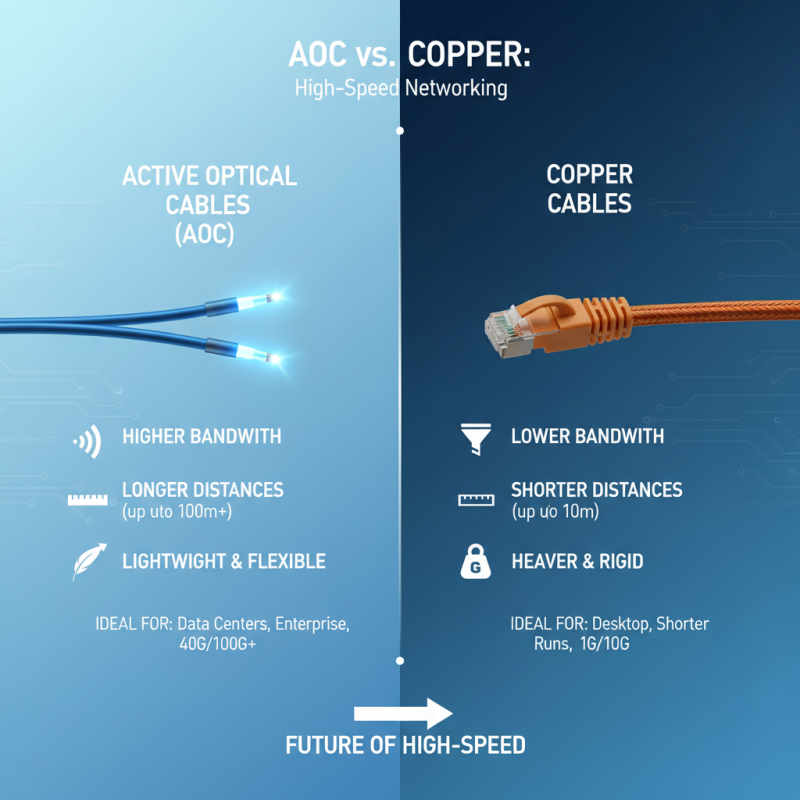
When comparing active optical cables (AOCs) and copper cables, several key factors come into play, particularly in high-speed networking environments. Active optical cables are designed to transmit data using optical fibers, which allows for higher bandwidth and longer distances than their copper counterparts. This makes AOCs particularly beneficial for data centers and enterprise applications that require fast and reliable data transmission over significant distances. The lightweight nature and flexibility of AOCs also facilitate easier installation and management compared to traditional copper cables.
On the other hand, copper cables can still be a viable option for shorter distances and environments where cost is a major concern. They tend to be more affordable and can provide sufficient performance for standard networking tasks. However, copper cables are limited by distance and can experience greater signal degradation, especially at high data rates. As networks evolve and the demand for speed and efficiency increases, the choice between active optical cables and copper cables will largely depend on specific application requirements, distances, and budget considerations. For high-performance needs, AOCs often emerge as the superior choice, while copper may be suitable for less demanding scenarios.
Factors Influencing Performance in 100G QSFP28 Cables
When selecting the best 100G QSFP28 Active Optical Cable, understanding the factors that influence performance is crucial. One key aspect is the cable's length. Generally, shorter cables tend to have lower signal loss, which translates to better overall performance. However, you should also consider cable type, as different materials and constructions can impact data integrity over longer distances.
Another important factor is the quality of connectors and the manufacturing standards followed. High-quality connectors minimize insertion loss and improve overall signal transmission. It's advisable to look for cables that comply with industry standards to ensure reliability and compatibility with existing hardware.
Tips: When choosing a cable, consider your network's specific requirements, including distance and bandwidth needs. Look for reviews or certifications to validate performance claims. Additionally, opt for cables with robust construction to withstand environmental stress and ensure longevity.
Taking these factors into account will help you make an informed decision for your 100G networking needs.
Future Trends in 100G Optical Networking Solutions
The landscape of optical networking is rapidly evolving, especially as enterprises increasingly turn to 100G solutions to meet their growing bandwidth demands. According to a recent report by MarketsandMarkets, the global optical networking market is projected to reach $28 billion by 2025, driven by the expanding adoption of cloud computing and the rising need for high-speed data transfer.
In particular, 100G QSFP28 Active Optical Cables (AOCs) have emerged as a robust solution for data centers and high-performance computing environments, combining high data rates and lower power consumption.
Future trends indicate that the demand for 100G AOCs will continue to rise, spurred by the proliferation of data-intensive applications and services. A study by Research and Markets highlights that by 2026, the market for 100G optical solutions is anticipated to grow at a compound annual growth rate (CAGR) of over 12%. This growth can be attributed to the increasing need for efficient interconnect solutions that can support 4K video streaming, big data analytics, and IoT applications.
Furthermore, advancements in optical technologies, such as more efficient transceivers and improved cable materials, are expected to enhance performance and reliability, solidifying the role of 100G AOCs in future networking infrastructures.

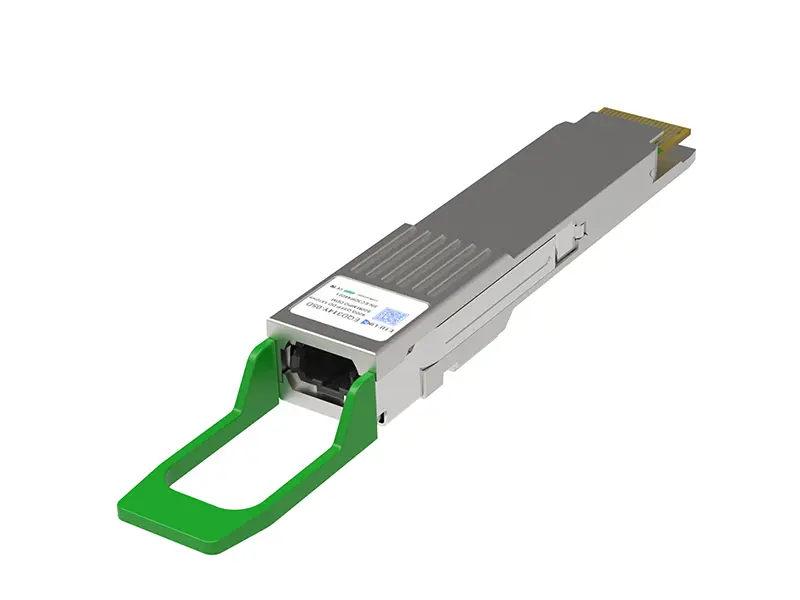 400G
400G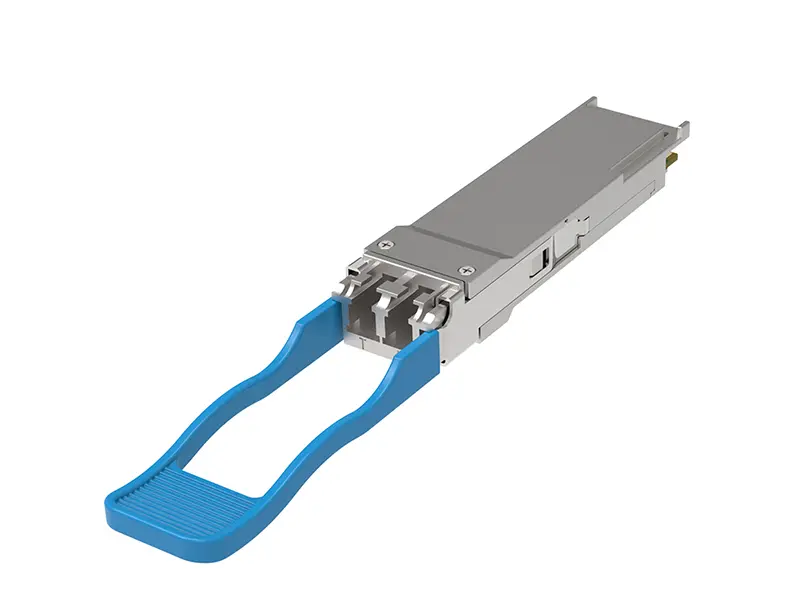 200G
200G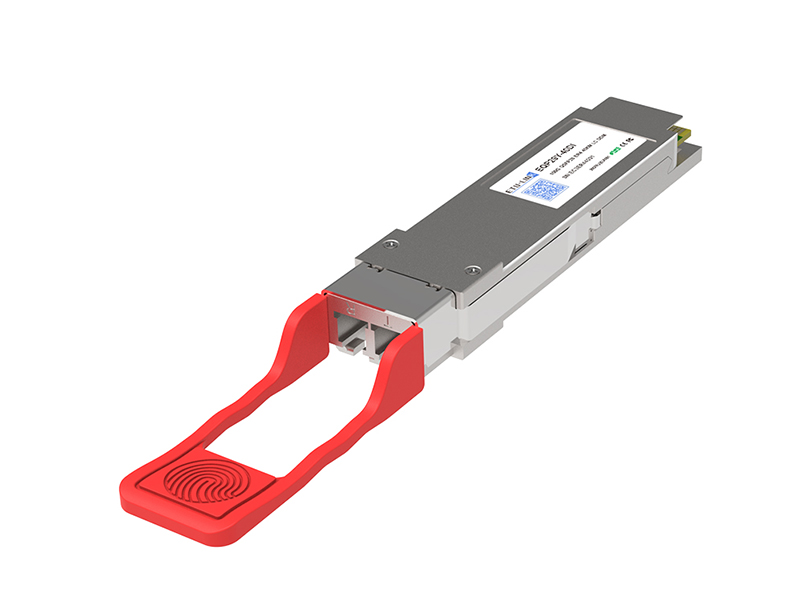 100G
100G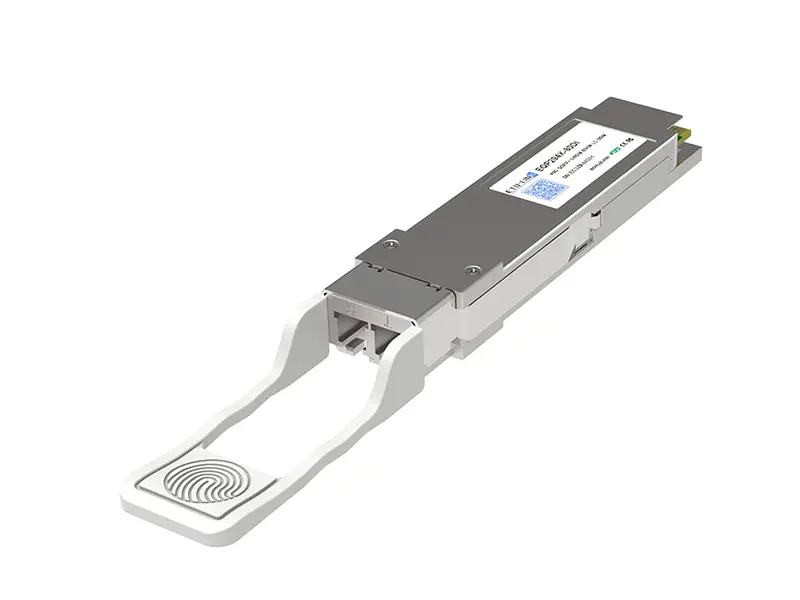 40G
40G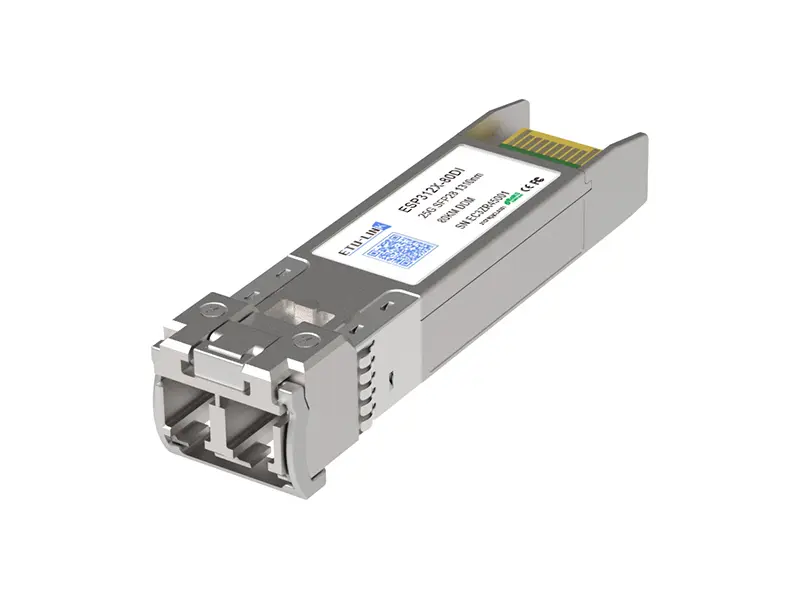 25G
25G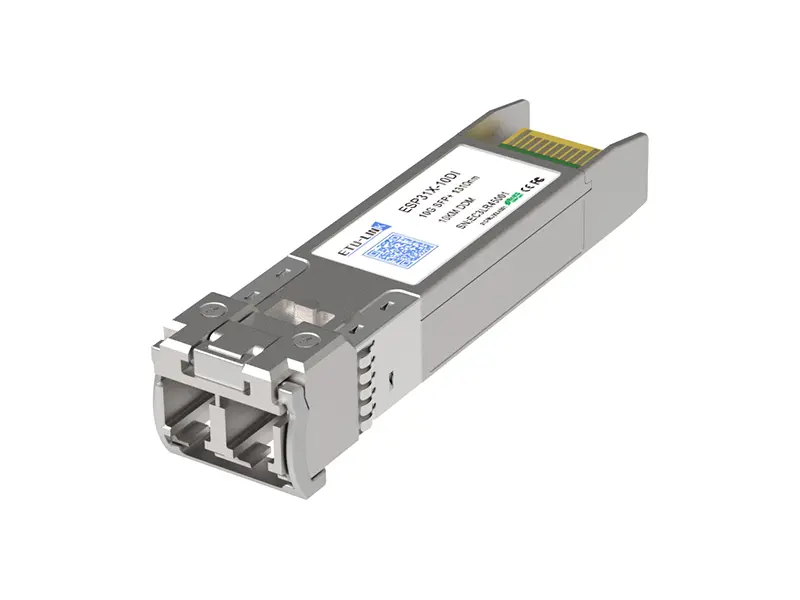 10G
10G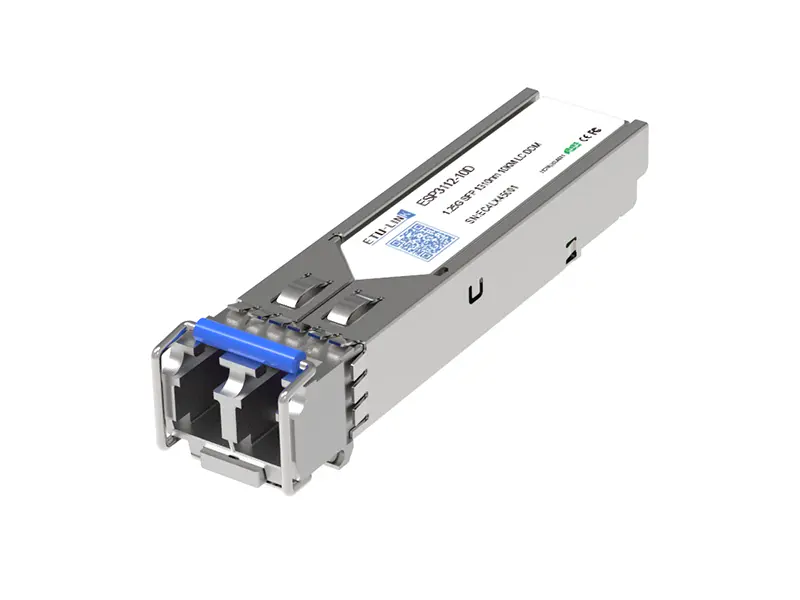 1G
1G COPPER-T
 Other
Other 10G SFP+ DAC
 40G QSFP+ DAC
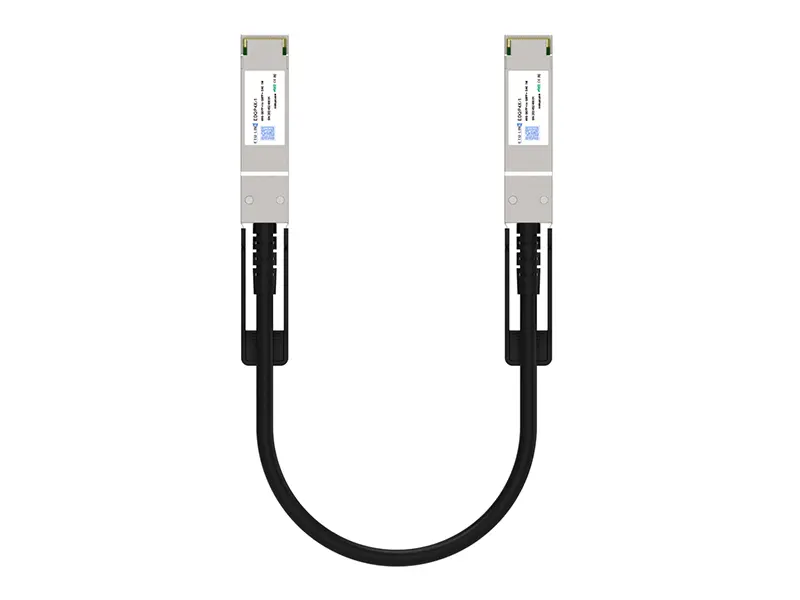 56G QSFP+ DAC
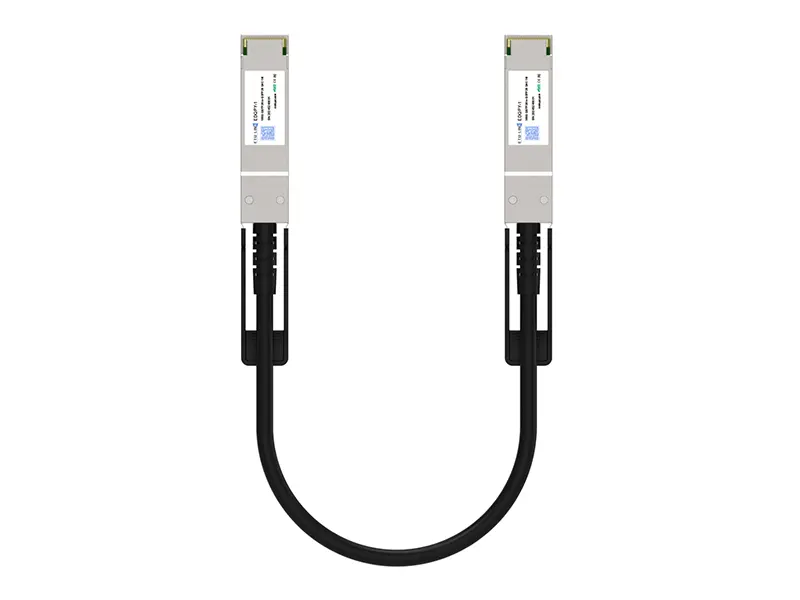 100G QSFP28 DAC
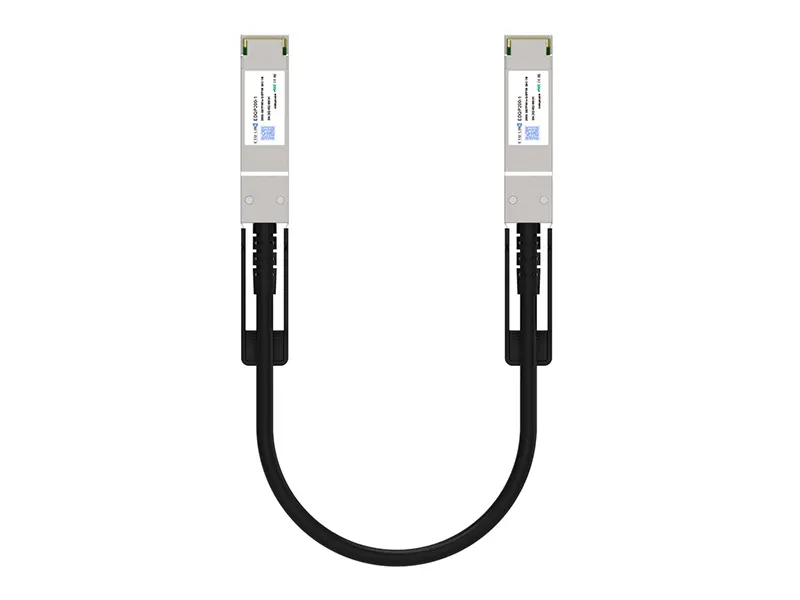 200G QSFP56 DD DAC
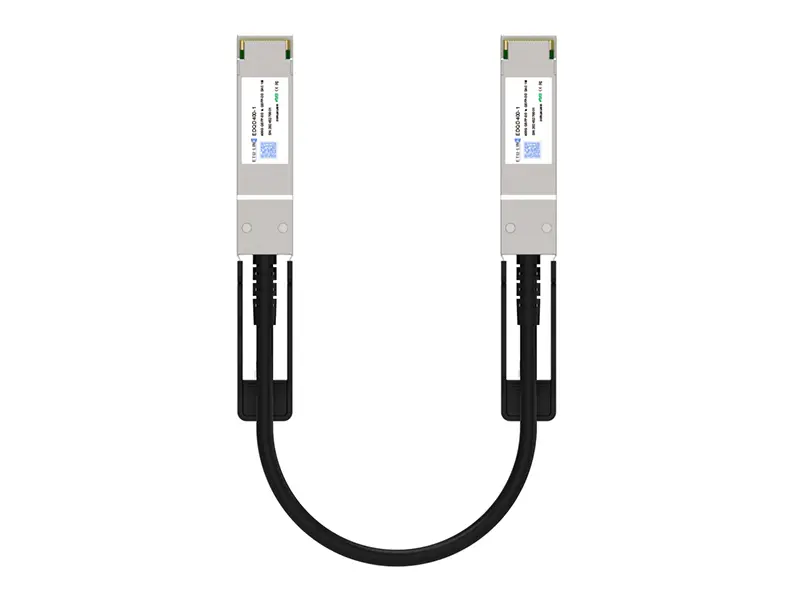 400G QSFP DD DAC
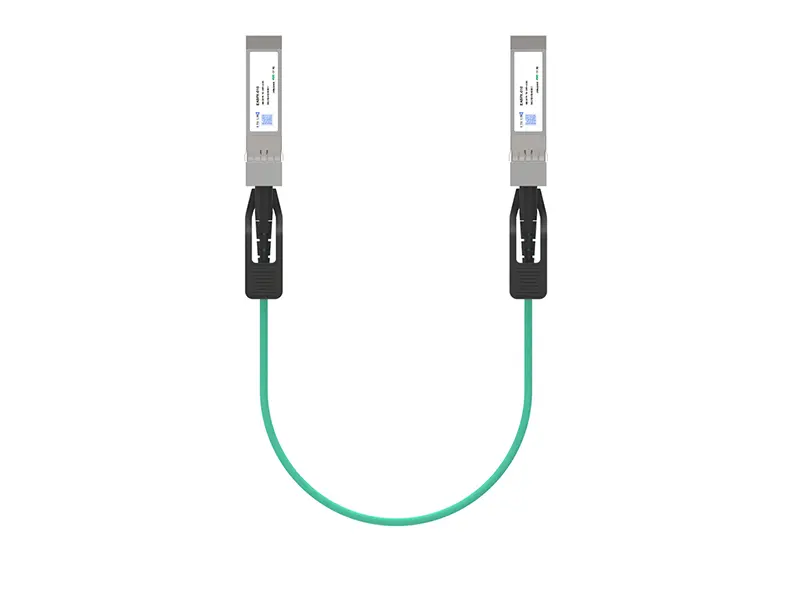 10G SFP+ AOC
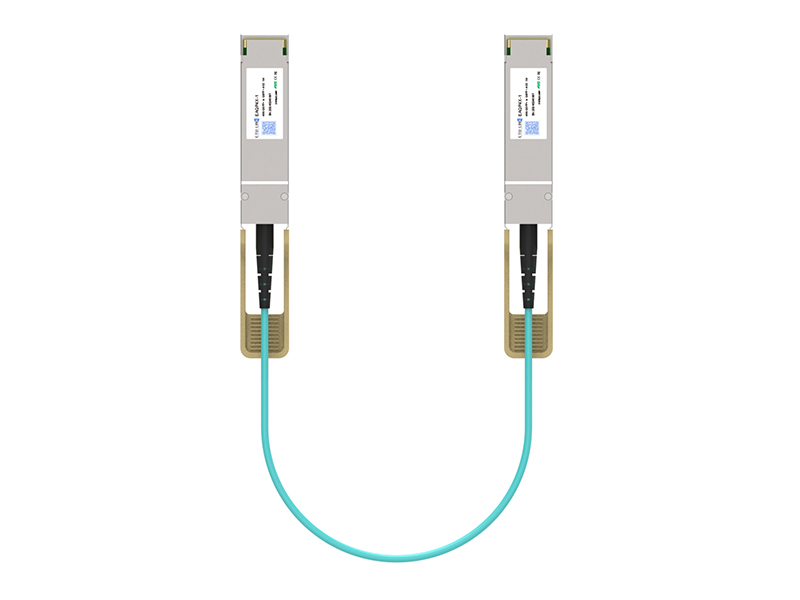 40G QSFP+ AOC
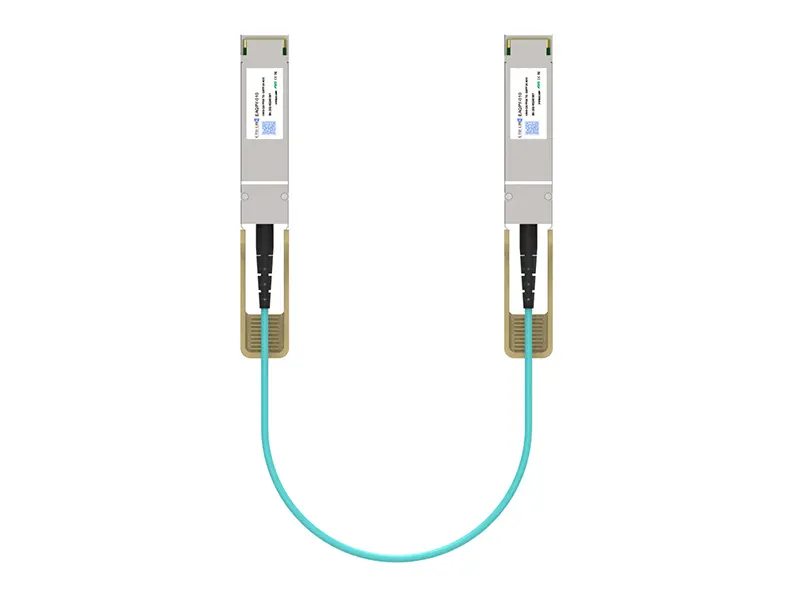 100G QSFP28 AOC
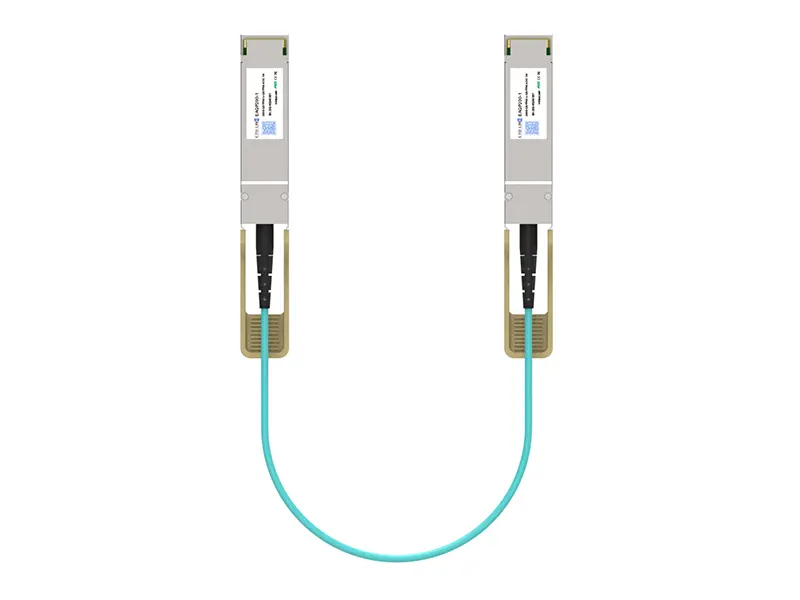 200G QSFP56 AOC
 400G QSFP-DD AOC
 Adapter Details
 Media Converter