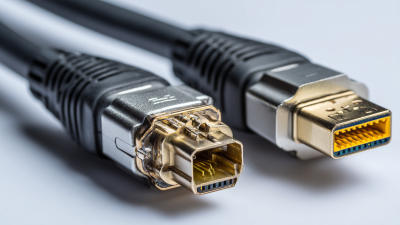
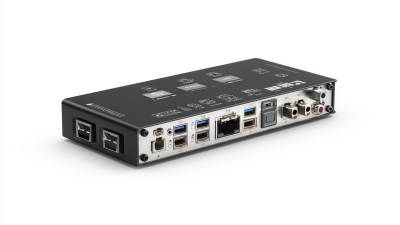
Unlocking 2025 Top+ Digital Solutions: The Rise of 100G QSFP28 Active Optical Cables
In the evolving landscape of digital communication, the demand for high-speed data transfer solutions is more crucial than ever. With industry reports projecting a 30% annual growth rate for optical cable markets through 2025, the emergence of the 100G QSFP28 Active Optical Cable stands as a transformative solution. The 100G QSFP28 cables are becoming increasingly vital for data centers and enterprises aiming to meet the escalating requirements for bandwidth and speed in cloud and streaming applications.
As noted by Dr. Emily Tran, a leading expert in optical communication technology, “The integration of 100G QSFP28 Active Optical Cables not only enhances data transmission efficiency but also paves the way for future advancements in network infrastructure.” These cables deliver exceptional performance, characterized by low latency and expanded reach, making them an ideal choice for modern data-driven environments. Analysts predict that the widespread adoption of 100G technology will be a key driver in enabling organizations to leverage cutting-edge solutions for competitive advantage.
In this article, we delve into the top digital solutions for 2025, focusing on the rise of the 100G QSFP28 Active Optical Cable and its significance in revolutionizing connectivity. We'll explore the technological advancements, applications, and the future landscape shaped by these high-performance cables, underscoring their potential to unlock new possibilities in high-speed networking.

The Evolution of 100G QSFP28 Active Optical Cables in Modern Networking
The evolution of 100G QSFP28 Active Optical Cables (AOCs) has marked a significant milestone in modern networking, addressing the demand for higher data rates and bandwidth efficiency. These cables have emerged as a solution for various applications, including data centers, high-performance computing, and telecommunication networks. According to the latest report by Market Research Future, the 100G AOC market is projected to reach USD 2.5 billion by 2025, growing at a CAGR of approximately 25% between 2019 and 2025. This growth can be attributed to the increasing need for speed and efficiency in data transmission across various sectors.
One of the key factors contributing to the rise of 100G QSFP28 AOCs is their ability to provide high-density connections in a compact form factor. Unlike traditional copper cables, AOCs offer superior performance over longer distances, minimizing signal loss and power consumption. The Optical Fiber Communication Conference reported that the use of AOCs can reduce energy costs by up to 30% compared to equivalent copper solutions, highlighting their role in sustainable networking practices. As network demands continue to escalate, the versatility and efficiency of 100G AOCs position them as a critical component in the future of digital solutions.
Key Features and Benefits of 100G QSFP28 Technology
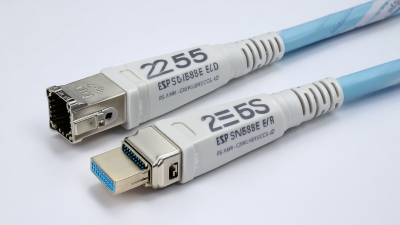
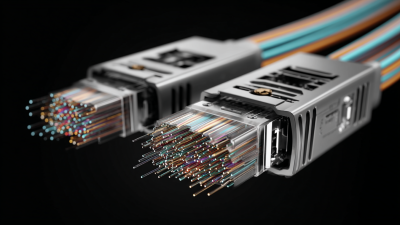
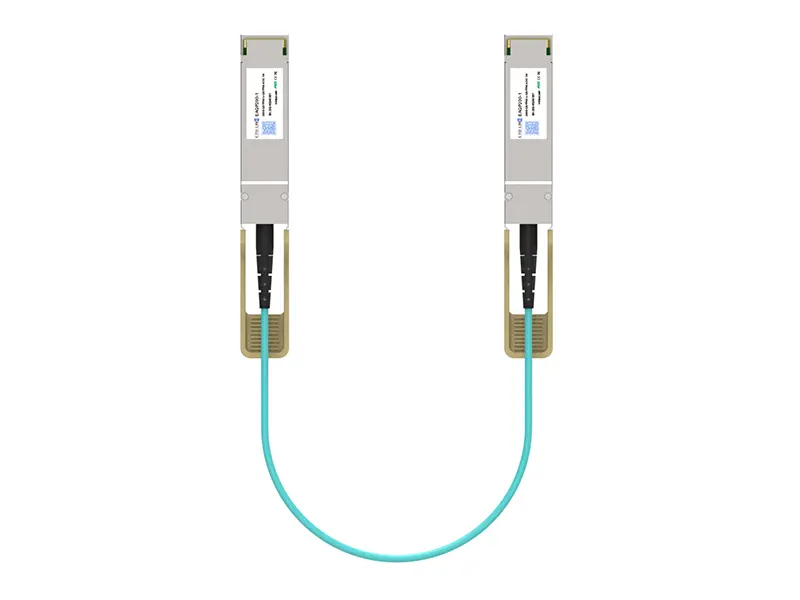
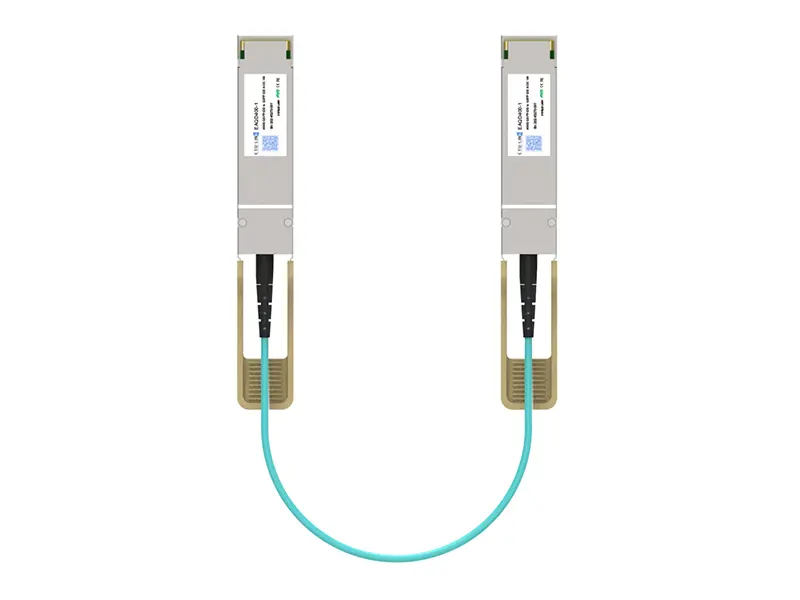
The 100G QSFP28 Active Optical Cable (AOC) represents a significant advancement in high-speed connectivity solutions, particularly for data centers and high-performance computing environments. One of the key features of this technology is its ability to support data rates of up to 100 Gbps over a distance of 100 meters, making it ideal for short-reach applications. The use of parallel optics enables multiple data lanes to be transmitted simultaneously, effectively maximizing bandwidth while maintaining high signal integrity.
Another major benefit of 100G QSFP28 technology is its energy efficiency compared to traditional copper cables. As data centers continue to face pressures to reduce power consumption, AOCs offer a lightweight and flexible alternative that minimizes energy usage without compromising performance. Additionally, the compact design of the QSFP28 connectors allows for higher port density, facilitating organization and reducing cable congestion within equipment racks. This combination of high performance and reduced environmental impact makes 100G QSFP28 a preferred choice for modern digital solutions in the evolving landscape of network infrastructure.
Unlocking 2025 Top+ Digital Solutions: The Rise of 100G QSFP28 Active Optical Cables - Key Features and Benefits of 100G QSFP28 Technology
| Feature |
Description |
Benefits |
Use Cases |
| High Bandwidth |
Supports data transfer rates up to 100 Gbps |
Enables faster data processing and reduced latency |
Data centers, cloud computing, high-performance computing |
| Active Optical Technology |
Utilizes electronic signal processing for improved performance |
Enhanced signal quality over longer distances |
Long-distance data transmission, telecom networks |
| Reduced Power Consumption |
Low power requirements compared to traditional copper cables |
Decreases operational costs and environmental impact |
Data centers, enterprise networking |
| Compact Form Factor |
Small and lightweight design |
Saves space in crowded network racks |
High-density networking applications |
| Support for Multiple Protocols |
Compatible with various networking standards |
Versatile use across different networking environments |
Enterprise, telecommunications, and data center networks |
Comparative Analysis: 100G QSFP28 Vs. Traditional Cable Solutions
As the demand for higher bandwidth intensifies, the adoption of 100G QSFP28 active optical cables (AOCs) is becoming a pivotal aspect of modern data center architecture. A recent report from the International Data Corporation (IDC) suggests that by 2025, the demand for higher bandwidth solutions will increase by 40% annually, emphasizing the necessity for advanced connectivity options. Unlike traditional copper cables, which struggle with signal degradation over longer distances, QSFP28 AOCs provide a robust alternative with a range up to 100 meters, enabling efficient data transmission for applications such as 100G Ethernet and high-performance computing.
When comparing 100G QSFP28 AOCs with conventional cabling solutions, several critical advantages emerge. Firstly, AOCs offer lower power consumption, reducing operational costs in large installations. According to a study by the Telecommunications Industry Association (TIA), AOCs can reduce energy consumption by as much as 30% compared to traditional copper cables. Moreover, their lightweight and flexible design simplifies installation and cable management, particularly in dense configurations where space is at a premium.
**Tips:** When transitioning to 100G QSFP28 AOCs, ensure that your infrastructure can accommodate the shift in technology. Conduct a thorough assessment of your current cabling needs and future growth projections. Aligning your strategy with industry best practices will facilitate smoother integration and optimize performance. Moreover, staying informed about upcoming technologies and standards can provide a competitive advantage as network demands continue to evolve.
Comparative Analysis of 100G QSFP28 Active Optical Cables vs. Traditional Cable Solutions
This chart compares the bandwidth capabilities of the 100G QSFP28 Active Optical Cables against traditional cable solutions. The 100G QSFP28 offers significantly higher bandwidth compared to traditional copper cables, while matching traditional fiber cables in performance.
Real-World Applications and Use Cases for 100G QSFP28 Cables
 The implementation of 100G QSFP28 Active Optical Cables (AOCs) is transforming the digital landscape, providing a robust solution for high-speed connectivity in data centers and enterprise networks. According to a recent report by the International Data Corporation (IDC), the global market for high-speed data connectivity is expected to exceed $9 billion by 2025, with optical cable technology leading the way. These cables are instrumental in reducing latency and improving bandwidth capabilities, essential for data-intensive applications like cloud computing and big data analytics.
Real-world applications of 100G QSFP28 cables are extensive, particularly in environments requiring high bandwidth and speed. For instance, financial institutions use these cables for high-frequency trading, enabling faster transaction processing. Similarly, educational institutions are leveraging 100G AOCs for high-capacity connections in research and development, facilitating advanced simulations and data sharing across global networks. The AOC's lightweight design also makes them ideal for environments where space and flexibility are crucial.
Tips: When considering deployment, ensure that the cabling infrastructure supports the increased demands of 100G technology. Conduct thorough testing of your existing systems to identify potential bottlenecks that could impact overall performance. Investing in quality optoelectronic components can also enhance the longevity and reliability of your 100G AOC setup.
Future Trends: The Role of 100G QSFP28 in Upcoming Digital Transformations
The future of digital transformation is set to be significantly influenced by
100G QSFP28 active optical cables. These cables stand at the forefront of high-speed data transmission,
offering impressive bandwidth and low latency that are crucial for handling the exponentially increasing data traffic across various networks.
As enterprises adopt cloud computing, big data analytics, and IoT technologies,
the demand for faster and more efficient connectivity solutions becomes paramount. The 100G QSFP28 serves not only
as a bridge for existing infrastructures but also as a catalyst for the development of next-generation applications.

In addition to enhancing data center operations, the 100G QSFP28 is poised to play a critical role in supporting artificial intelligence
and machine learning initiatives. The capacity to transfer large amounts of data rapidly makes it an ideal choice for organizations looking to leverage
real-time analytics. As digital ecosystems evolve, the scalability and energy efficiency of these active optical cables will enable businesses to remain competitive
in a landscape that prioritizes speed and efficiency. With the rise of 100G QSFP28, companies can unlock new avenues
for innovation and growth, effectively positioning themselves for the digital future of 2025 and beyond.

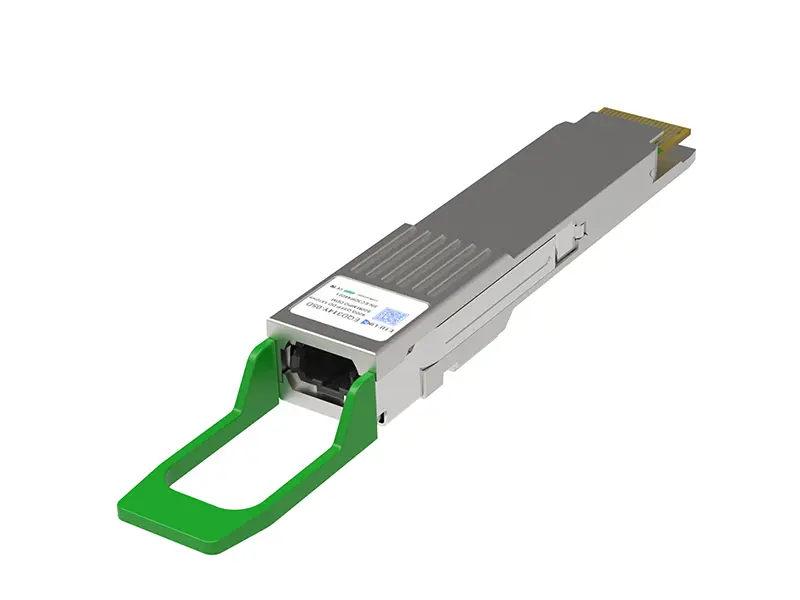 400G
400G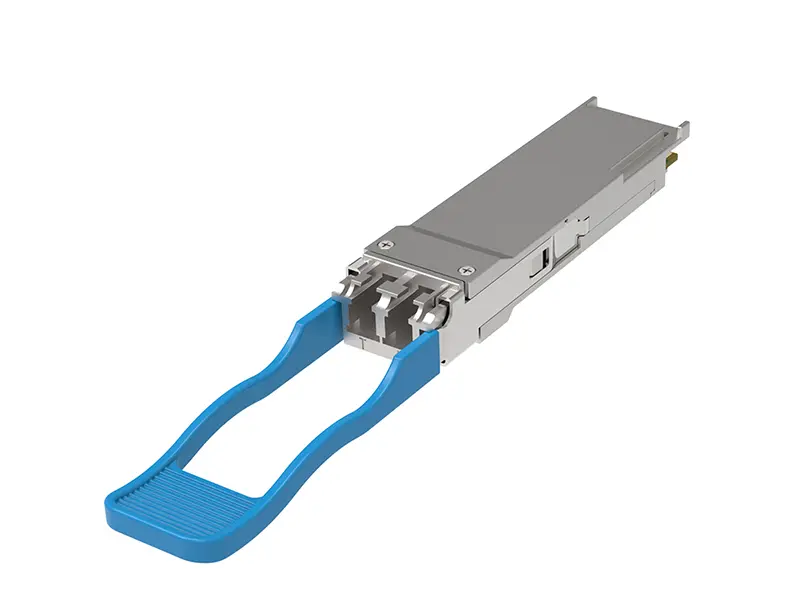 200G
200G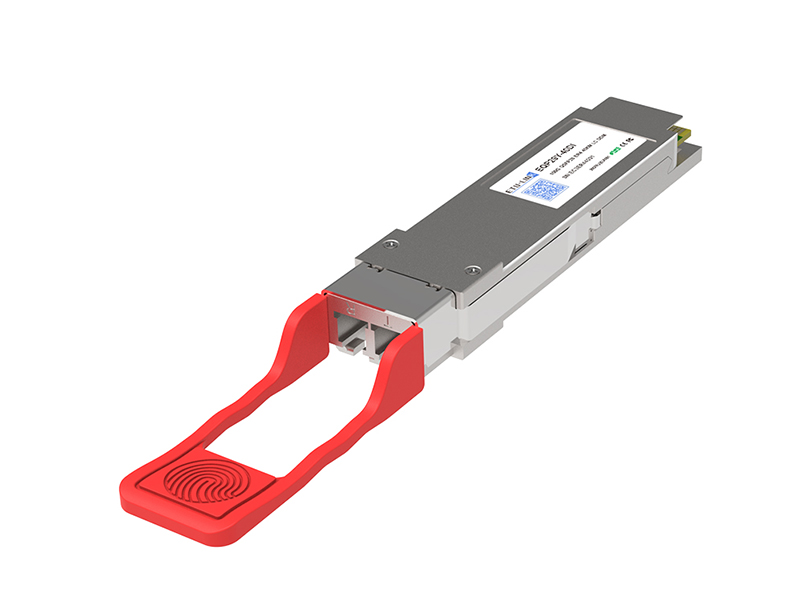 100G
100G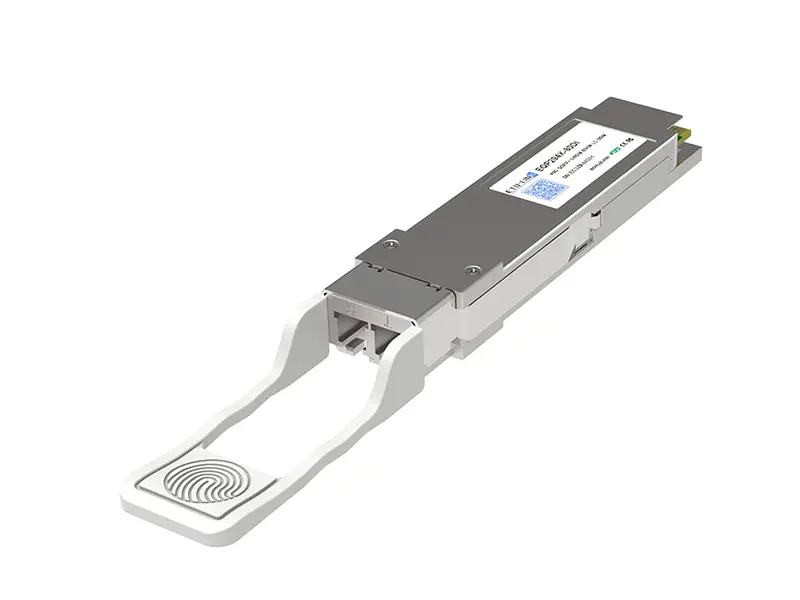 40G
40G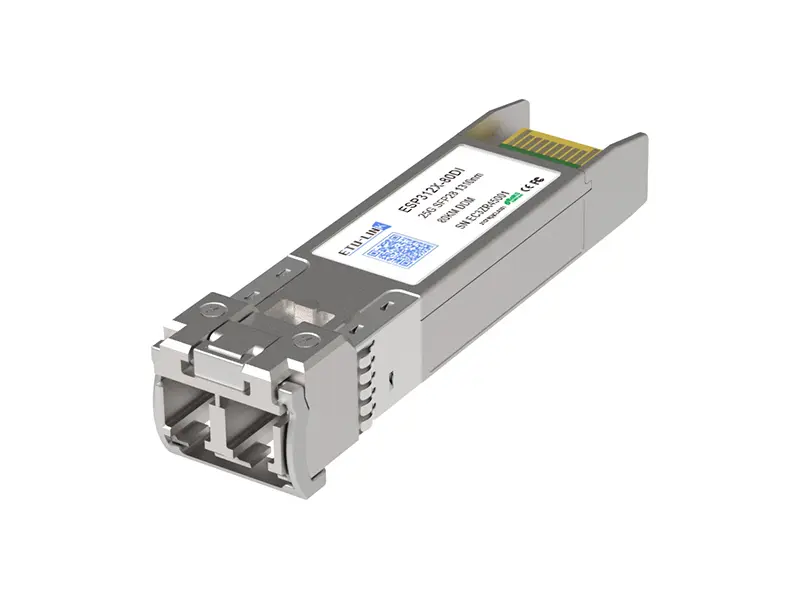 25G
25G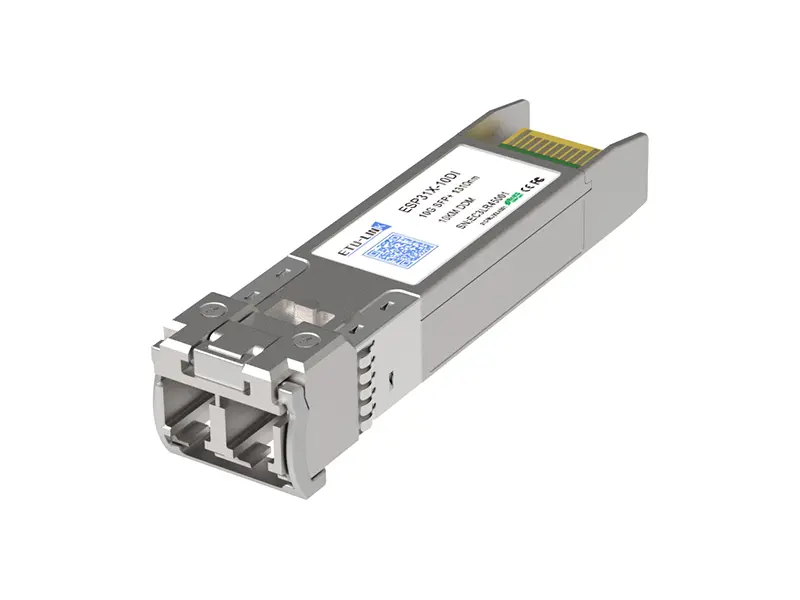 10G
10G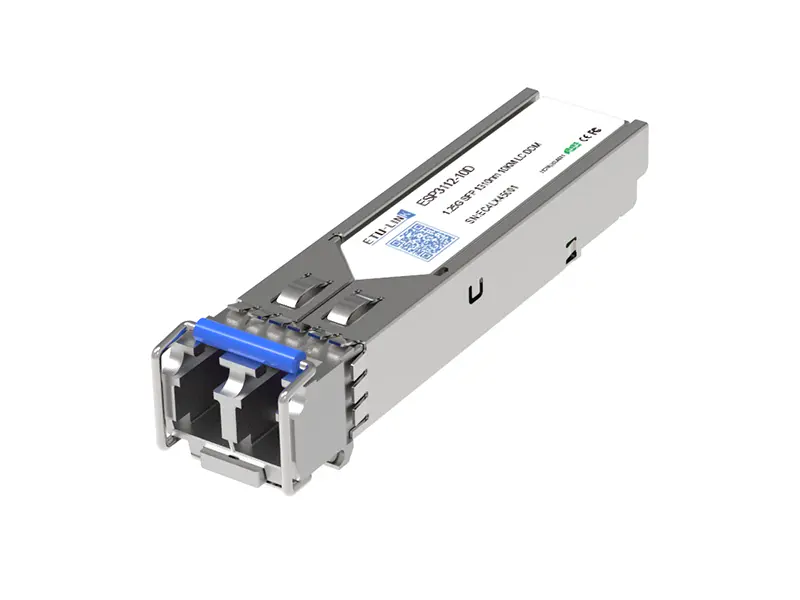 1G
1G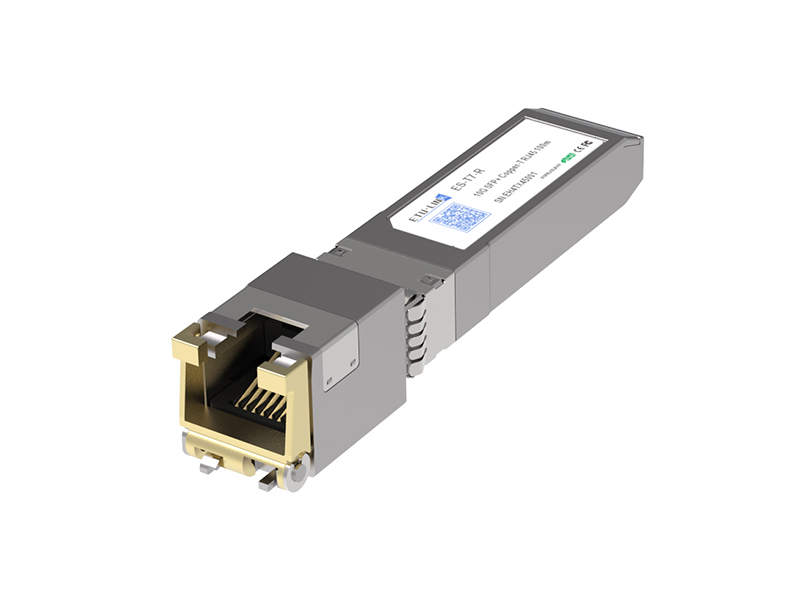 COPPER-T
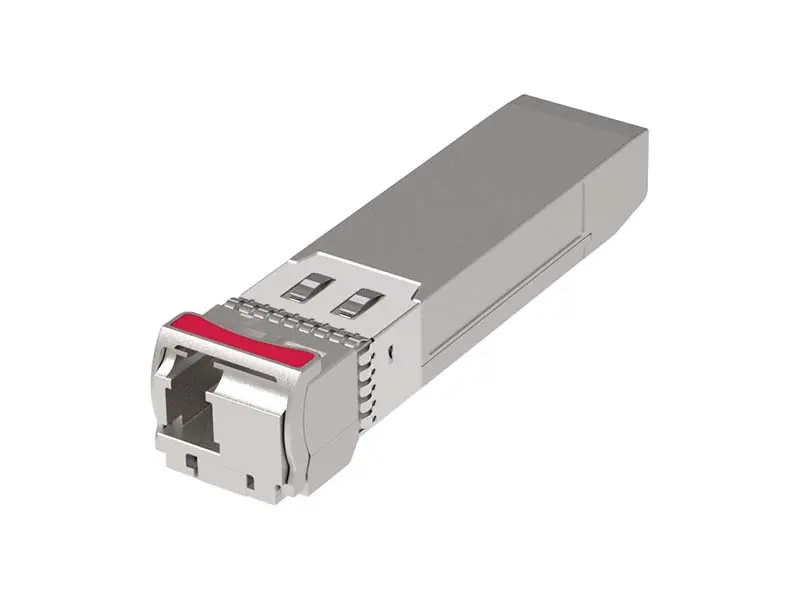 Other
Other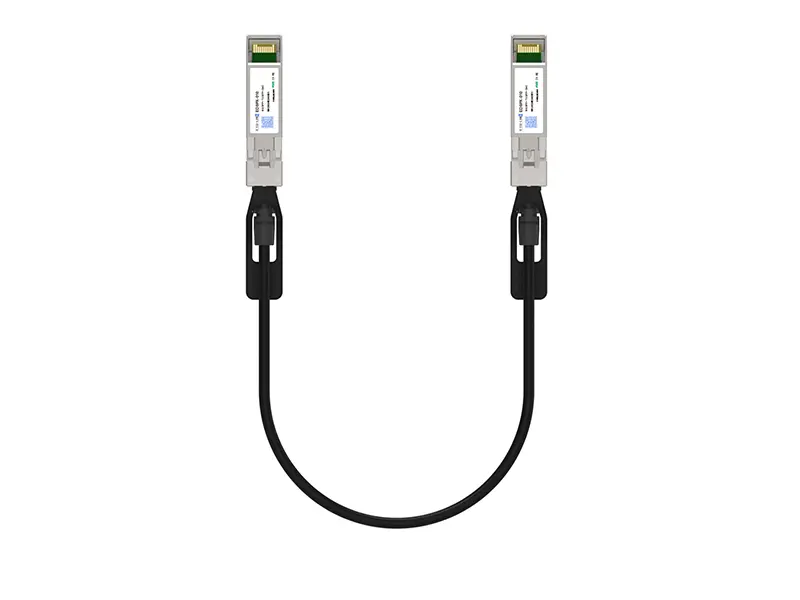 10G SFP+ DAC
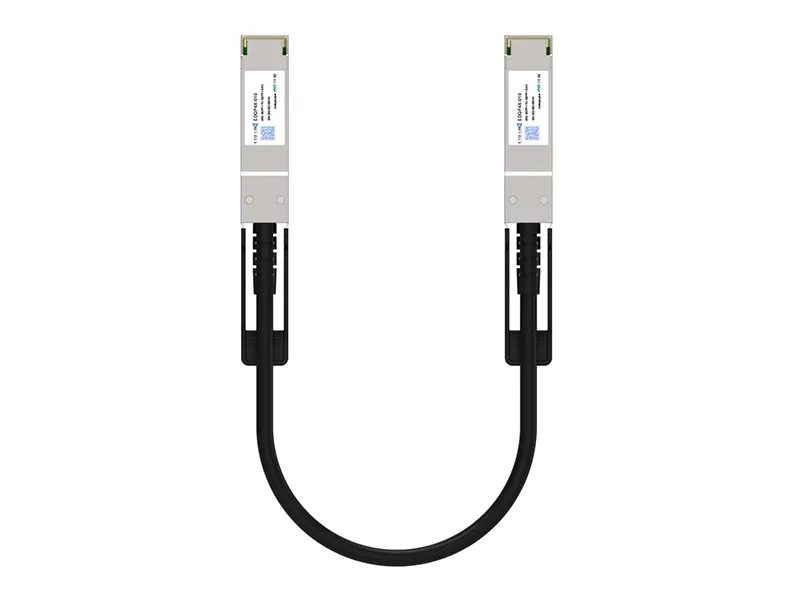 40G QSFP+ DAC
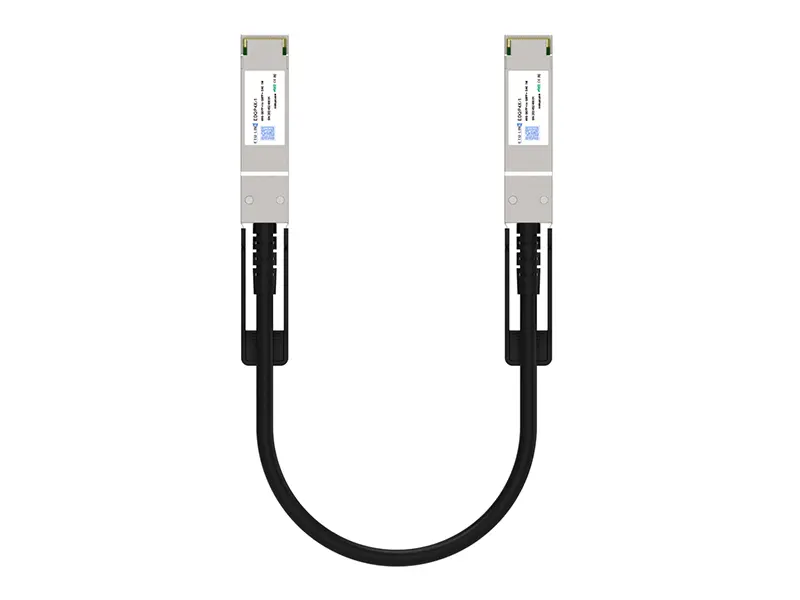 56G QSFP+ DAC
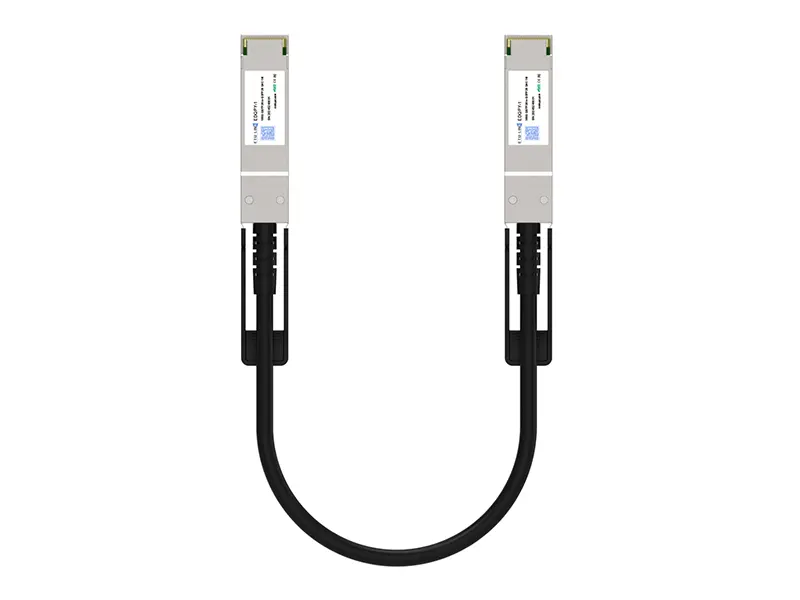 100G QSFP28 DAC
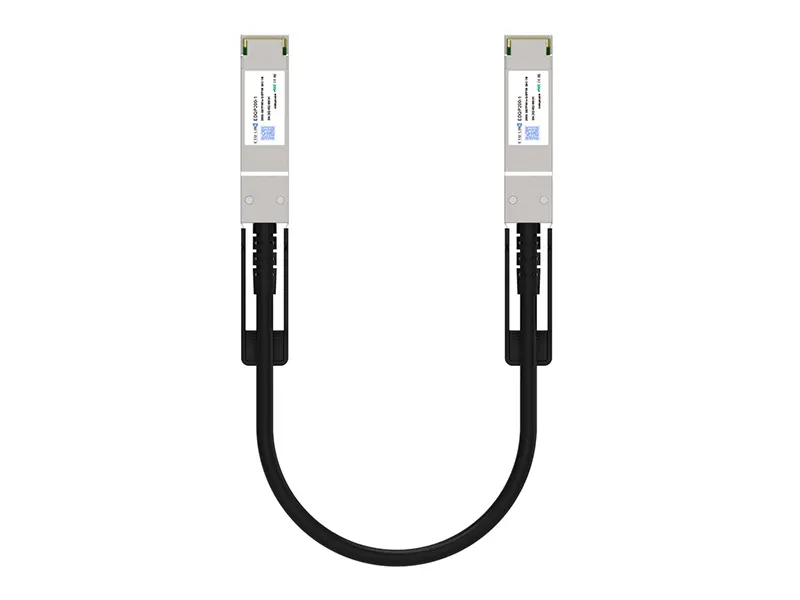 200G QSFP56 DD DAC
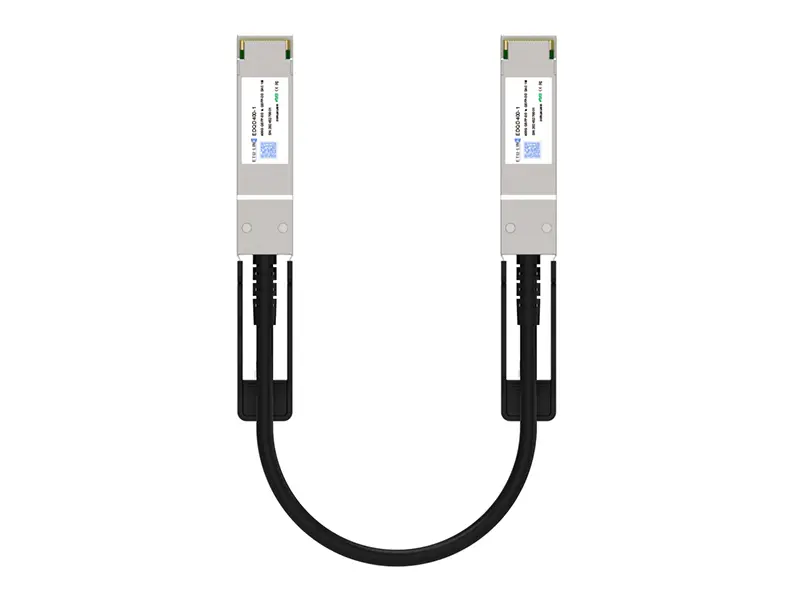 400G QSFP DD DAC
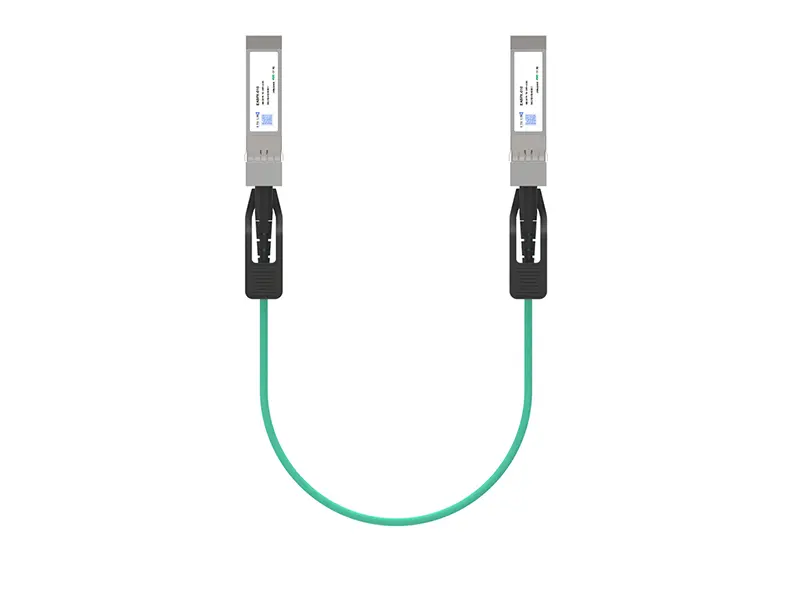 10G SFP+ AOC
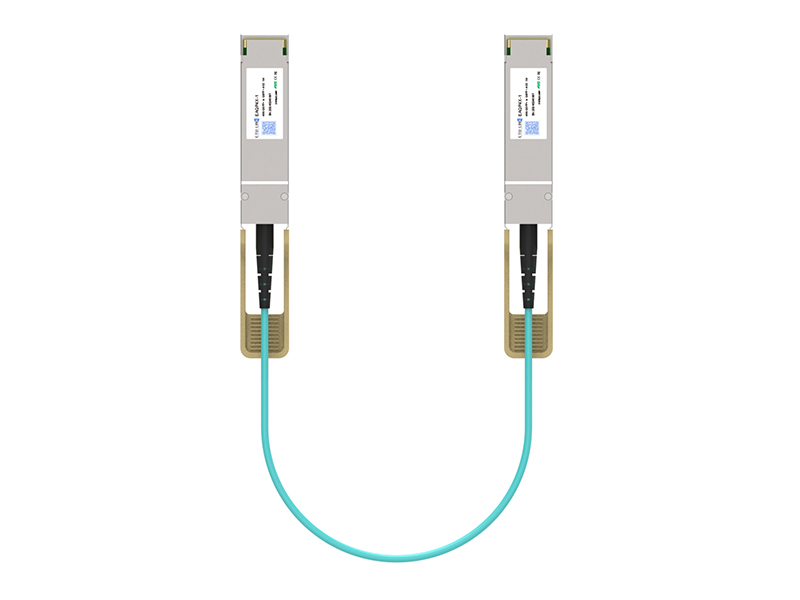 40G QSFP+ AOC
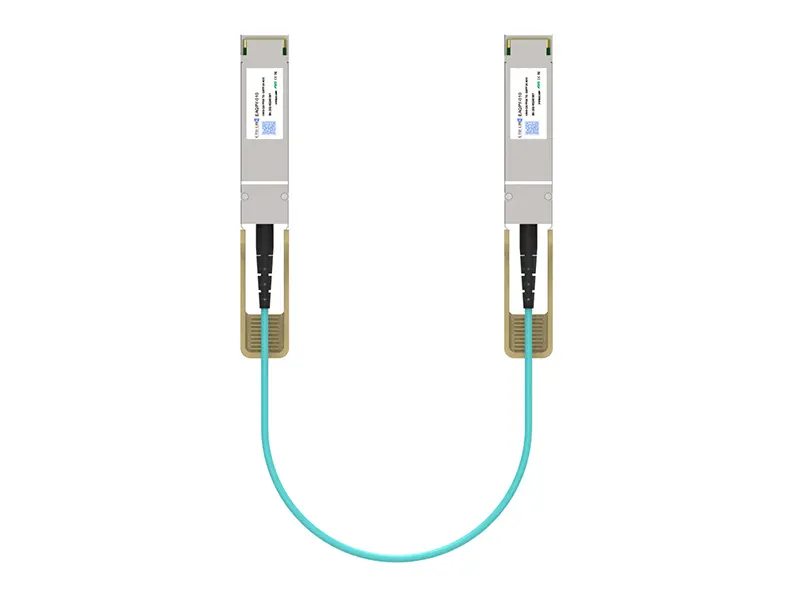 100G QSFP28 AOC
 200G QSFP56 AOC
 400G QSFP-DD AOC
 Adapter Details
 Media Converter