Understanding 10G Single Mode Fiber Benefits Applications and Installation Guide
The advancements in optical fiber technology have led to the evolution of high-speed communication networks, making 10G Single Mode Fiber a pivotal component in contemporary telecommunication infrastructure. According to a market research report by Mordor Intelligence, the global fiber optics market is expected to reach $9.54 billion by 2026, significantly driven by the growing demand for high-speed internet and data services. As organizations increasingly rely on bandwidth-intensive applications, the deployment of 10G Single Mode Fiber offers unparalleled speed and reliability, transforming the way data is transmitted over long distances with minimal signal attenuation.
10G Single Mode Fiber is specifically designed to support high-capacity data transfers, achieving transmission speeds of up to 10 Gbps over extensive distances, making it an optimum choice for various applications, including data centers, enterprise networks, and telecom networks. Its utilization is anticipated to rise with the expanding adoption of cloud computing and the Internet of Things (IoT), where the need for efficient data handling and robust connectivity is paramount. As emphasized in the Optical Fiber Communication Conference, the ongoing innovations in fiber technology, including improvements in connector and installation techniques, further enhance the practicality and performance of 10G Single Mode Fiber installations. Understanding its benefits, applications, and installation guidelines is essential for organizations looking to future-proof their network infrastructure.

Understanding 10G Single Mode Fiber: An Overview of Key Advantages
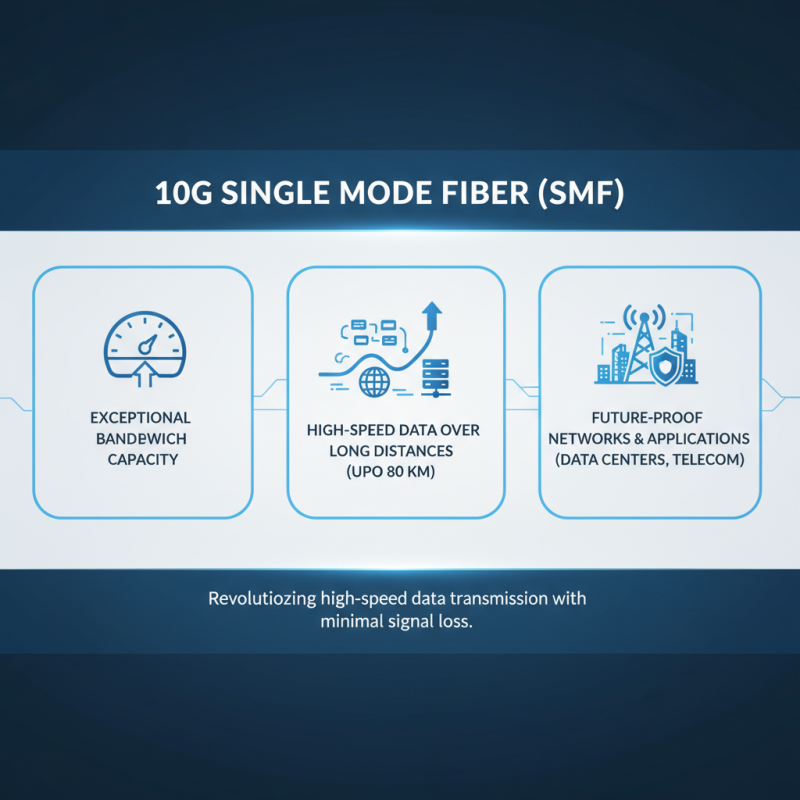
10G Single Mode Fiber (SMF) technology is revolutionizing the way high-speed data is transmitted across extensive distances. One of the key advantages of 10G SMF is its exceptional bandwidth capacity, which allows for the handling of massive amounts of data with minimal signal loss. This is particularly beneficial for applications requiring high data transfer rates, such as data centers, enterprise networks, and telecommunications infrastructure. The capability to transmit data over long distances—up to 80 kilometers without the need for repeaters—positions 10G SMF as a preferred choice for organizations aiming to future-proof their networks.
Another significant benefit of utilizing 10G Single Mode Fiber is its superior reliability and performance in various environmental conditions. Unlike multimode fiber, which is better suited for shorter distances, single mode fiber offers a more stable signal that is less susceptible to attenuation and distortion from external factors. This reliability ensures that organizations maintain seamless communication and data transfer, making it an ideal solution for critical applications like cloud computing and real-time data processing. Furthermore, the reduced signal interference and crosstalk inherent in single mode fibers contribute to enhanced network efficiency, making 10G SMF a strategic investment for modern networking needs.
Technical Characteristics of 10G Single Mode Fiber and Data Rates
10G Single Mode Fiber (SMF) is an essential technology in modern high-speed data transmission, characterized by its ability to handle high data rates over long distances. The technical characteristics of 10G SMF are based on its single-core design, which minimizes signal attenuation and dispersion, allowing data to travel efficiently. This fiber type supports various data rates up to 10 Gbps and can transmit over distances exceeding 40 kilometers without significant signal degradation when paired with appropriate optical transceivers.
When considering an installation of 10G SMF, understanding its capabilities is crucial. The fiber's low loss and high bandwidth make it ideal for enterprise networks, data centers, and telecom applications, where large volumes of data are transferred rapidly. Proper installation techniques, including ensuring minimal bends and using compatible connectors, can maximize performance and longevity.
**Tip:** During installation, always check the bend radius specifications to prevent signal loss. Maintaining the recommended bending limits will ensure optimal performance and minimize future maintenance issues.
**Tip:** Regularly inspect and clean fiber ends before making connections. Dust and debris can significantly impact the signal quality and contribute to higher loss rates, influencing overall network performance.
Applications of 10G Single Mode Fiber in Telecommunications and Data Centers
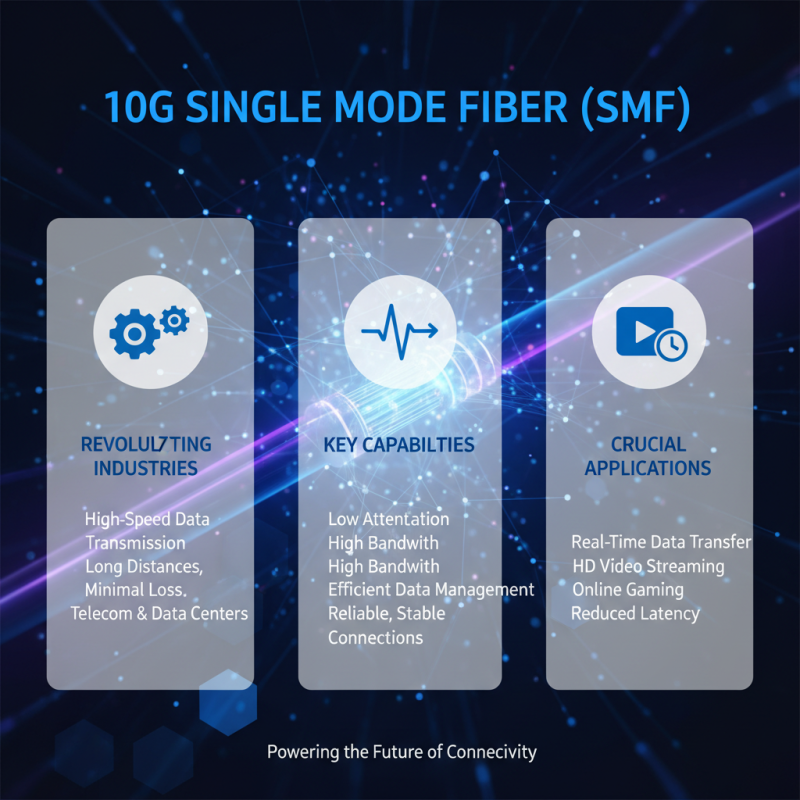
10G Single Mode Fiber (SMF) is revolutionizing the telecommunications and data center industries by providing high-speed data transmission over long distances with minimal loss. Its low attenuation and high bandwidth capabilities enable telecommunication operators to efficiently manage vast amounts of data traffic, ensuring reliable and stable connections. This is particularly crucial for applications that require real-time data transfer, such as high-definition video streaming and online gaming, where latency can significantly impact user experience.
In data centers, 10G Single Mode Fiber is a key component in infrastructure designed for large-scale cloud computing and storage solutions. With its ability to handle increased data loads, it supports the growing demand for efficient data management and rapid retrieval processes. Furthermore, the adoption of 10G SMF enables organizations to future-proof their networks, accommodating the exponential growth of data without the need for frequent overhauls. As enterprises continue to migrate to cloud-based solutions, the role of 10G Single Mode Fiber becomes increasingly vital, optimizing both performance and capacity in modern data-centric environments.
Installation Best Practices for 10G Single Mode Fiber Networks
When installing 10G single mode fiber networks, adhering to best practices is crucial for ensuring optimal performance and longevity of the system. First and foremost, proper handling of fiber optic cables is essential. Technicians should avoid excessive bending, twisting, or pulling of the fibers to prevent micro-bending, which can lead to signal loss. Utilizing suitable cable management systems and bending radius specifications helps maintain integrity during installation.
Additionally, site preparation plays a significant role in the installation process. The installation area should be clean, dry, and free from dust and contaminants that could compromise the fiber connections. It's advisable to maintain proper temperature and humidity levels to avoid environmental impacts on both equipment and fiber. Furthermore, ensuring precise alignment and secure termination of connectors reduces the risk of errors during testing and enhances overall network reliability. Regular testing and documentation of each segment of the installation are also critical steps to ensure that the network performs as expected and facilitates easier troubleshooting in the future.
10G Single Mode Fiber Network Benefits Overview
This chart illustrates the various benefits of 10G Single Mode Fiber Networks, highlighting parameters such as Cost Efficiency, Distance, Bandwidth, Latency, and Scalability, rated on a scale from 1 to 10.
Comparative Analysis: 10G Single Mode Fiber vs. Multi-Mode Fiber Solutions
When comparing 10G Single Mode Fiber (SMF) to Multi-Mode Fiber (MMF) solutions, a key distinction emerges in their operational capabilities over varying distances. Single Mode Fiber is specifically designed for long-distance transmission, allowing signals to travel over several kilometers without significant loss of quality. This is primarily due to its small core diameter that supports only one light mode, thus reducing modal dispersion and enabling high bandwidth pathways. Consequently, SMF is often the preferred choice for telecommunications companies and data centers seeking to optimize their networks for extensive geographic areas.
On the other hand, Multi-Mode Fiber, with its larger core, supports multiple light modes, making it ideal for shorter distances, typically within buildings or campuses. While MMF can handle high data rates, its effectiveness diminishes sharply over long distances due to modal dispersion. Thus, while MMF is generally more cost-effective for short-range applications, it falls short in terms of future scalability compared to SMF.
Therefore, the choice between 10G SMF and MMF depends significantly on the specific networking needs and the environments in which they will be deployed, emphasizing the importance of understanding both fiber types before installation and application.

 400G
400G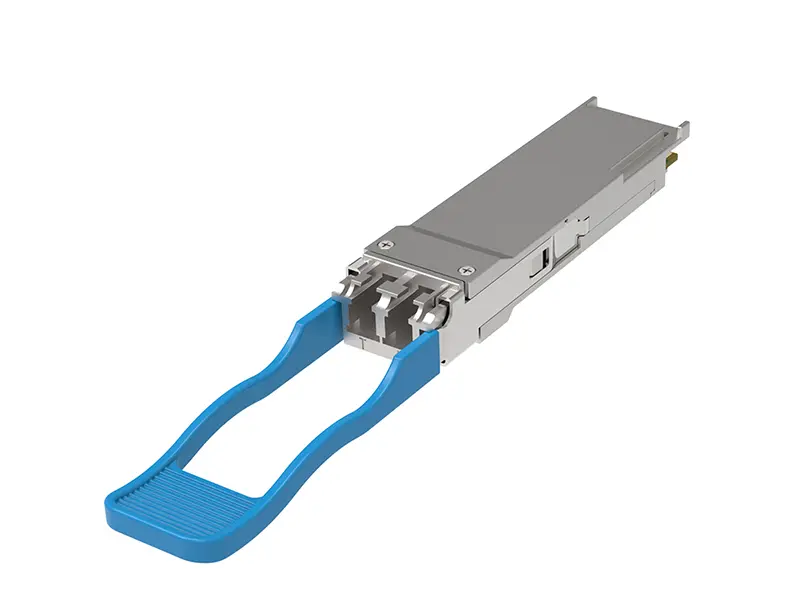 200G
200G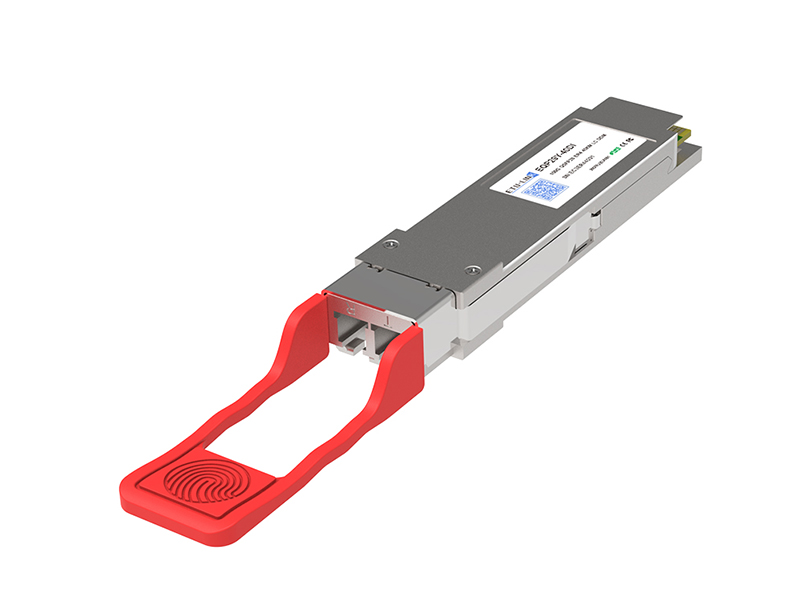 100G
100G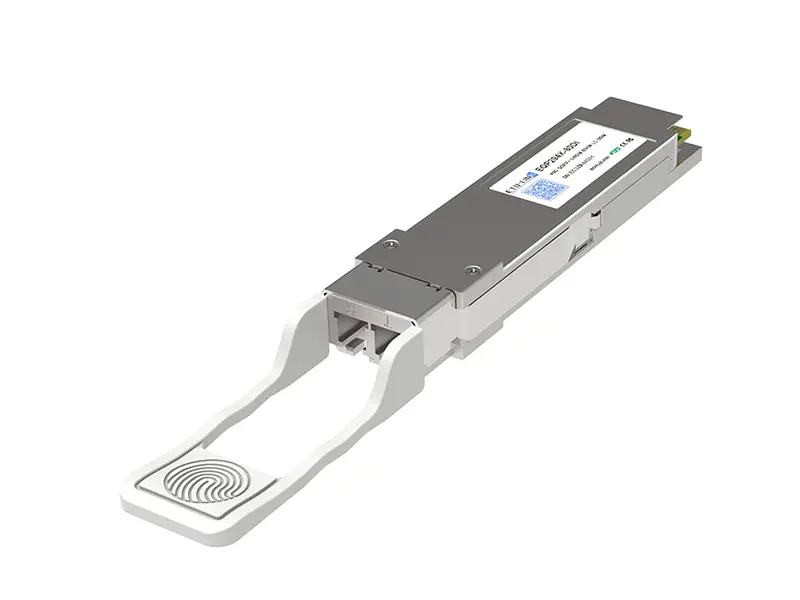 40G
40G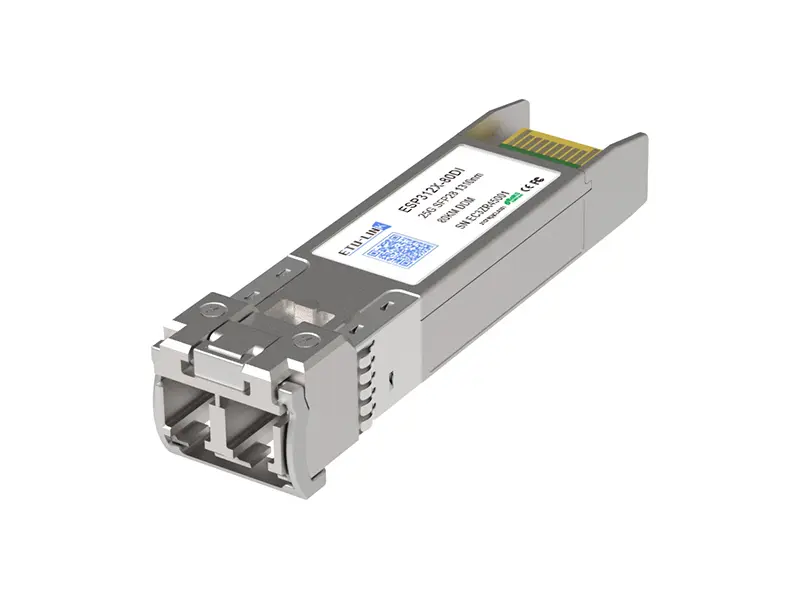 25G
25G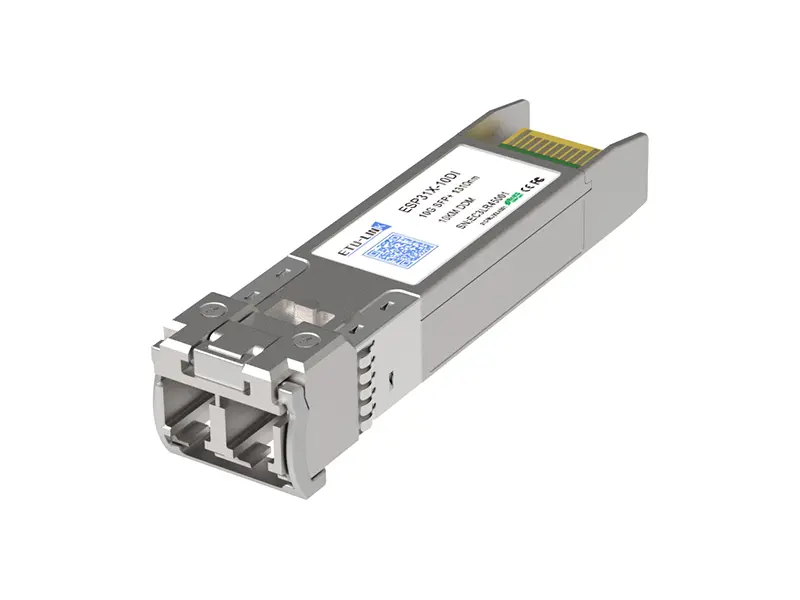 10G
10G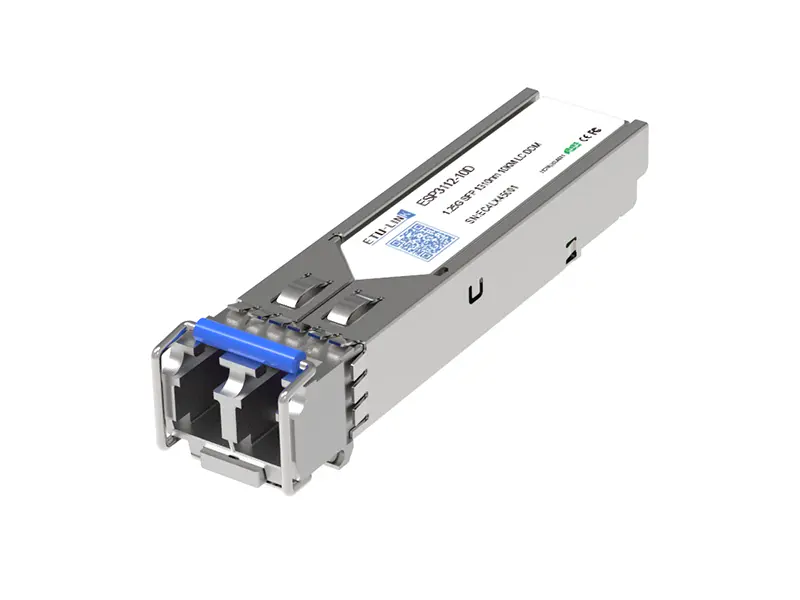 1G
1G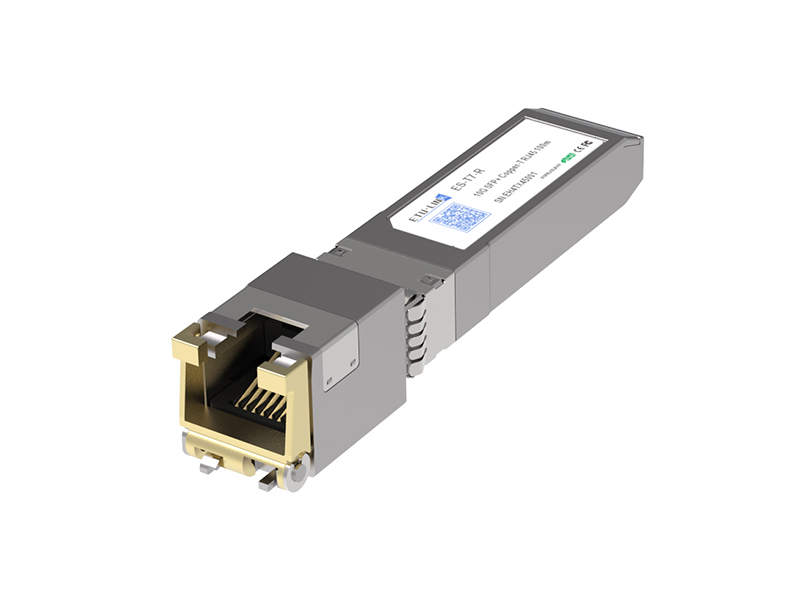 COPPER-T
 Other
Other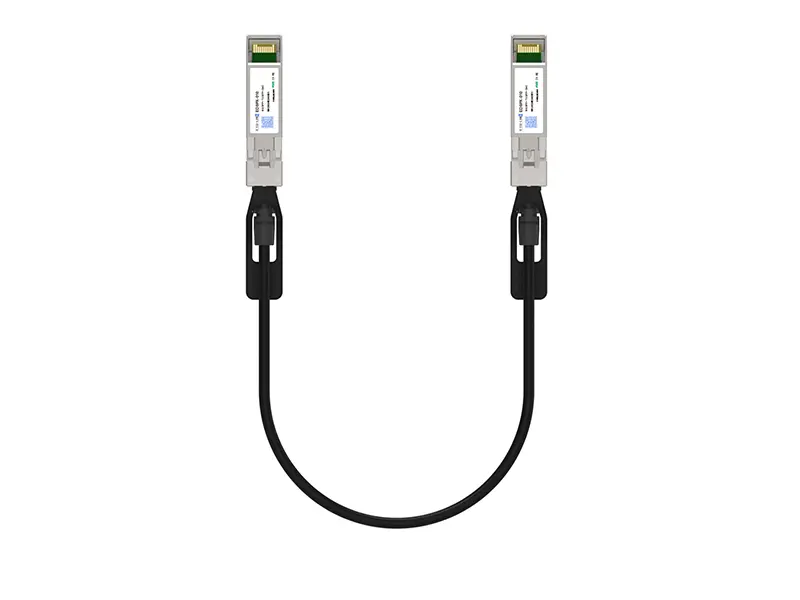 10G SFP+ DAC
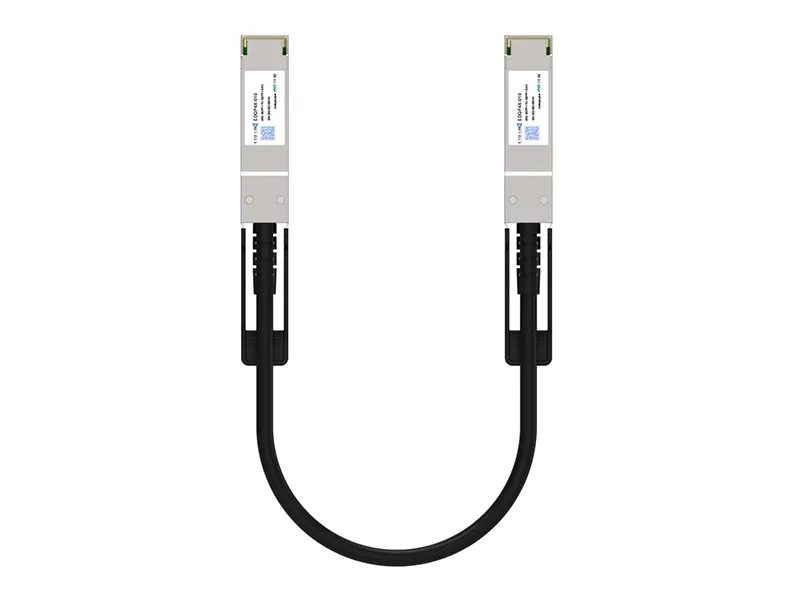 40G QSFP+ DAC
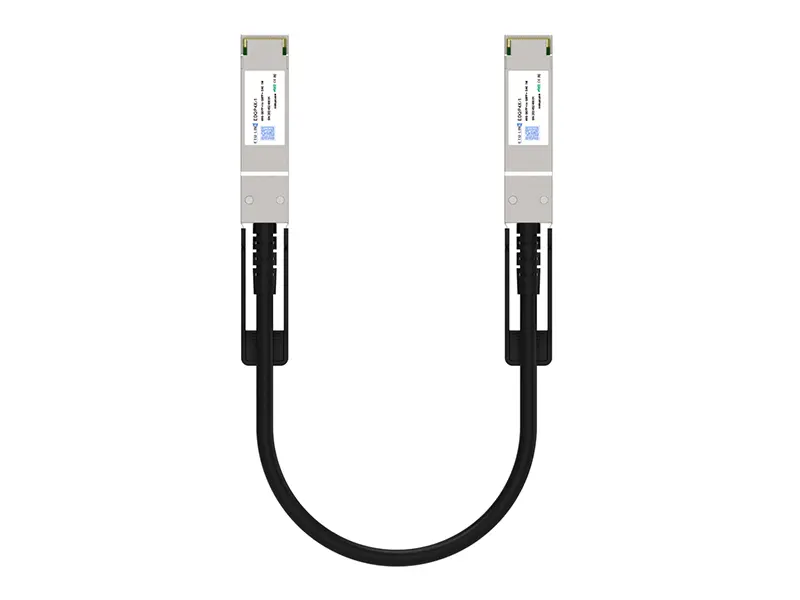 56G QSFP+ DAC
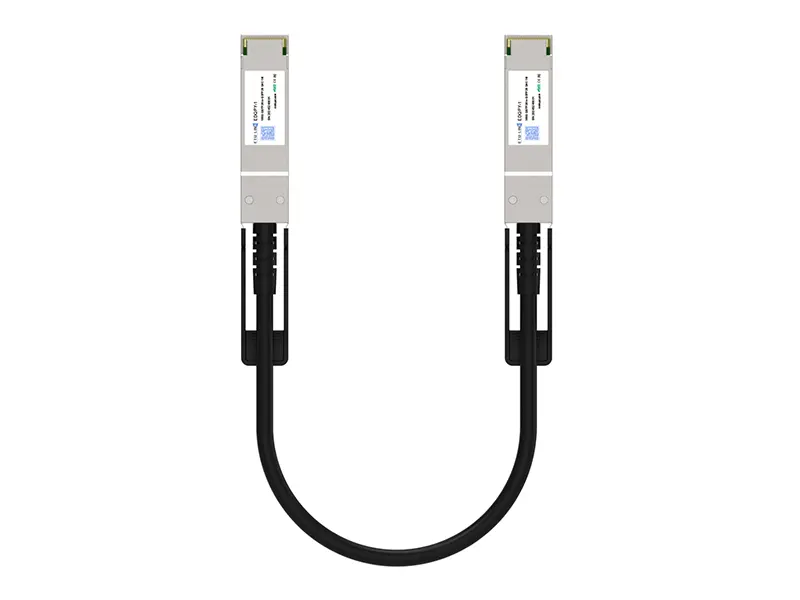 100G QSFP28 DAC
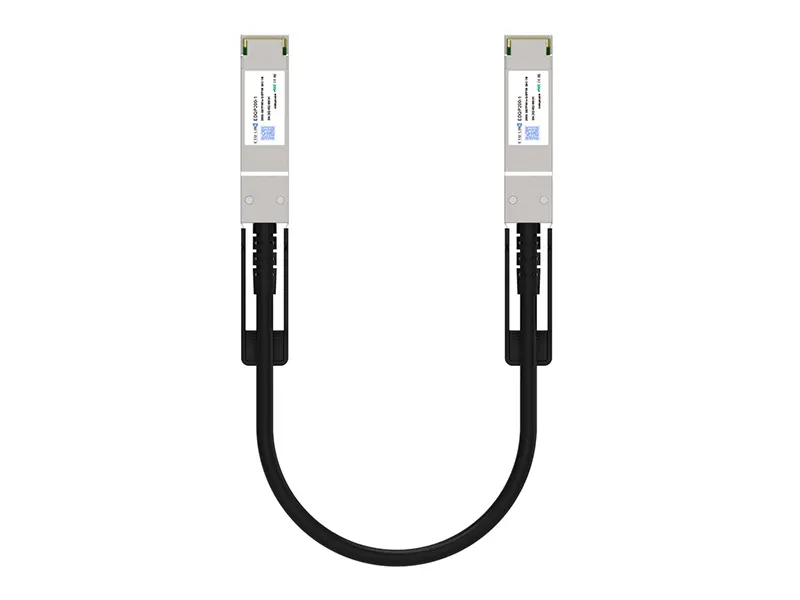 200G QSFP56 DD DAC
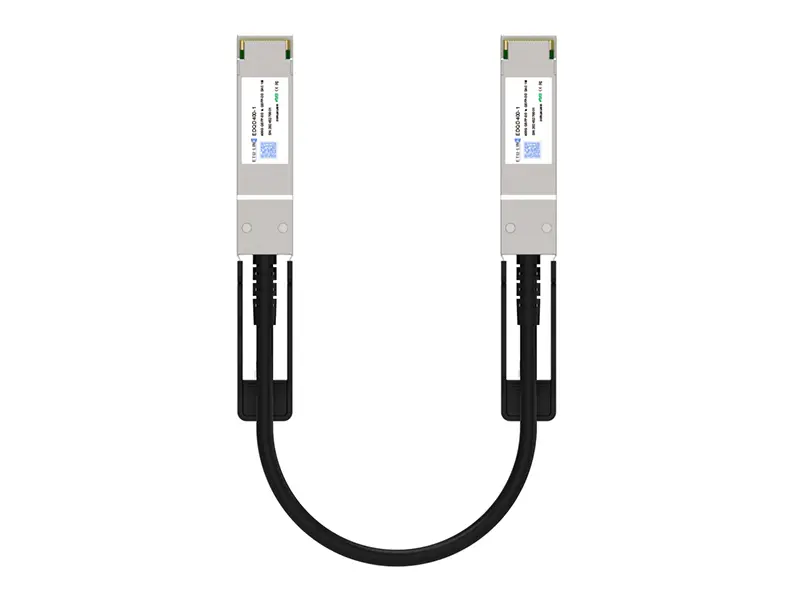 400G QSFP DD DAC
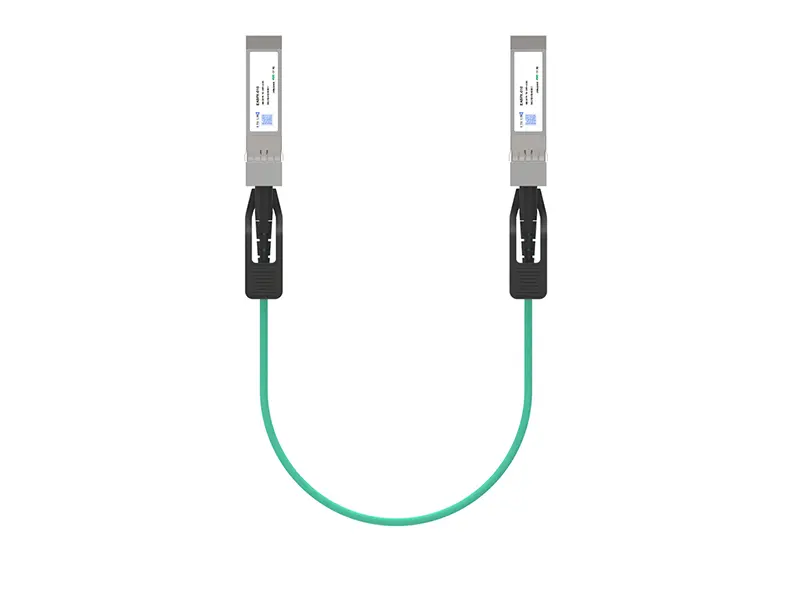 10G SFP+ AOC
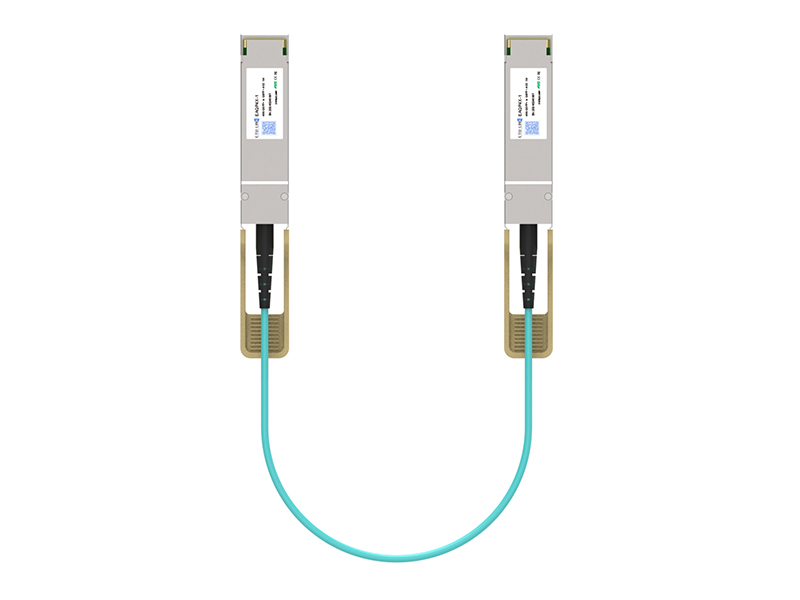 40G QSFP+ AOC
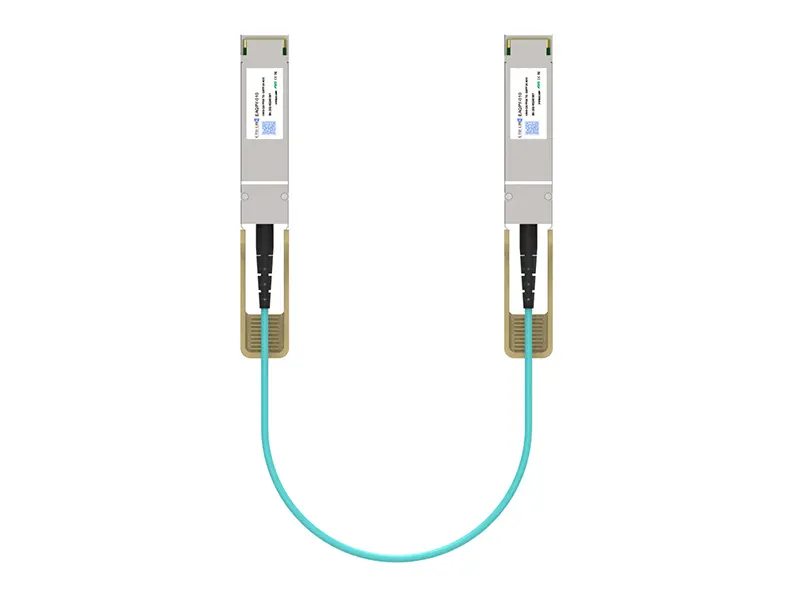 100G QSFP28 AOC
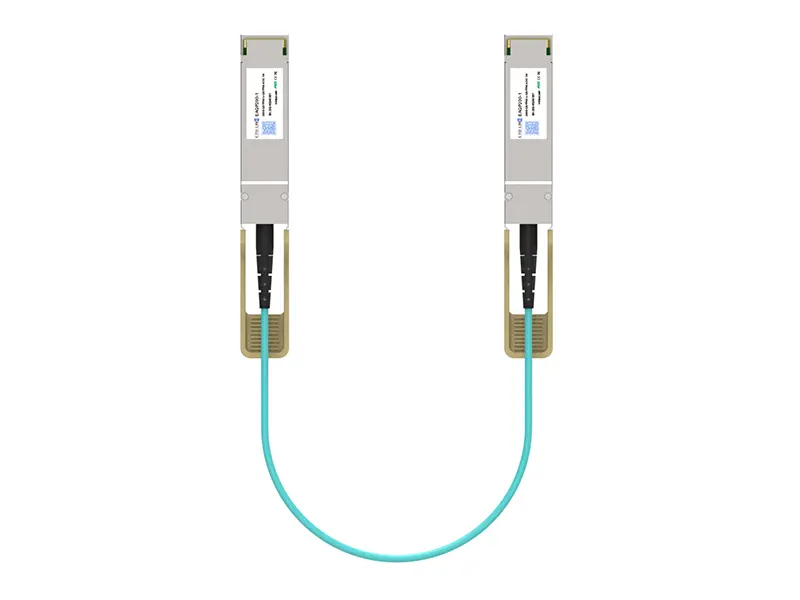 200G QSFP56 AOC
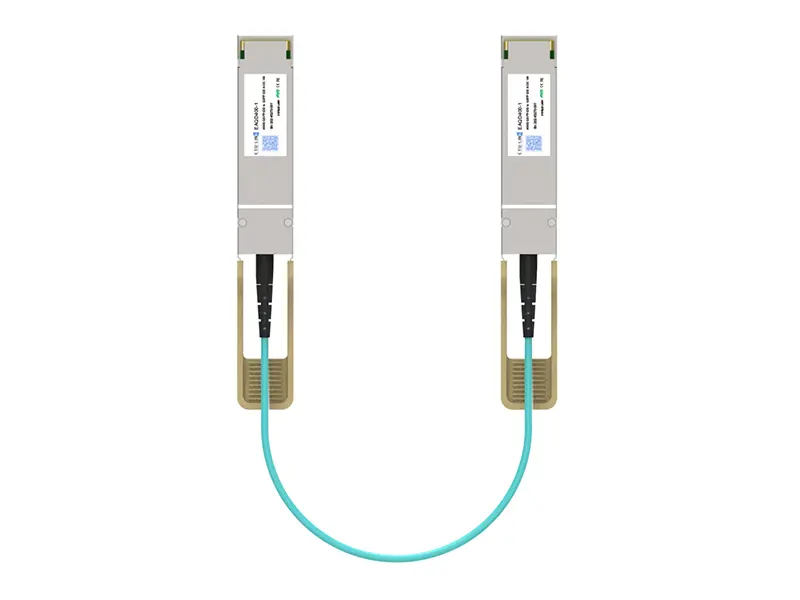 400G QSFP-DD AOC
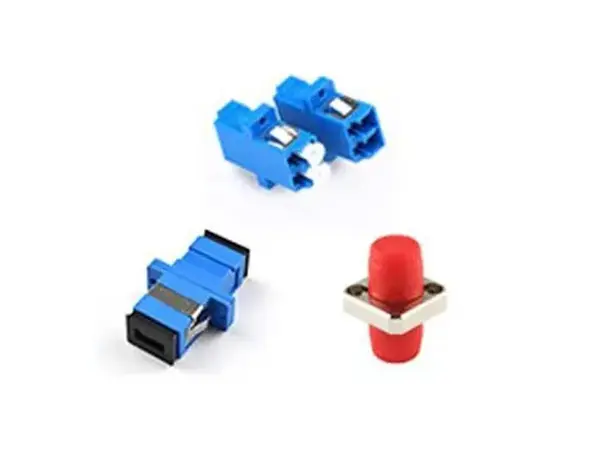 Adapter Details
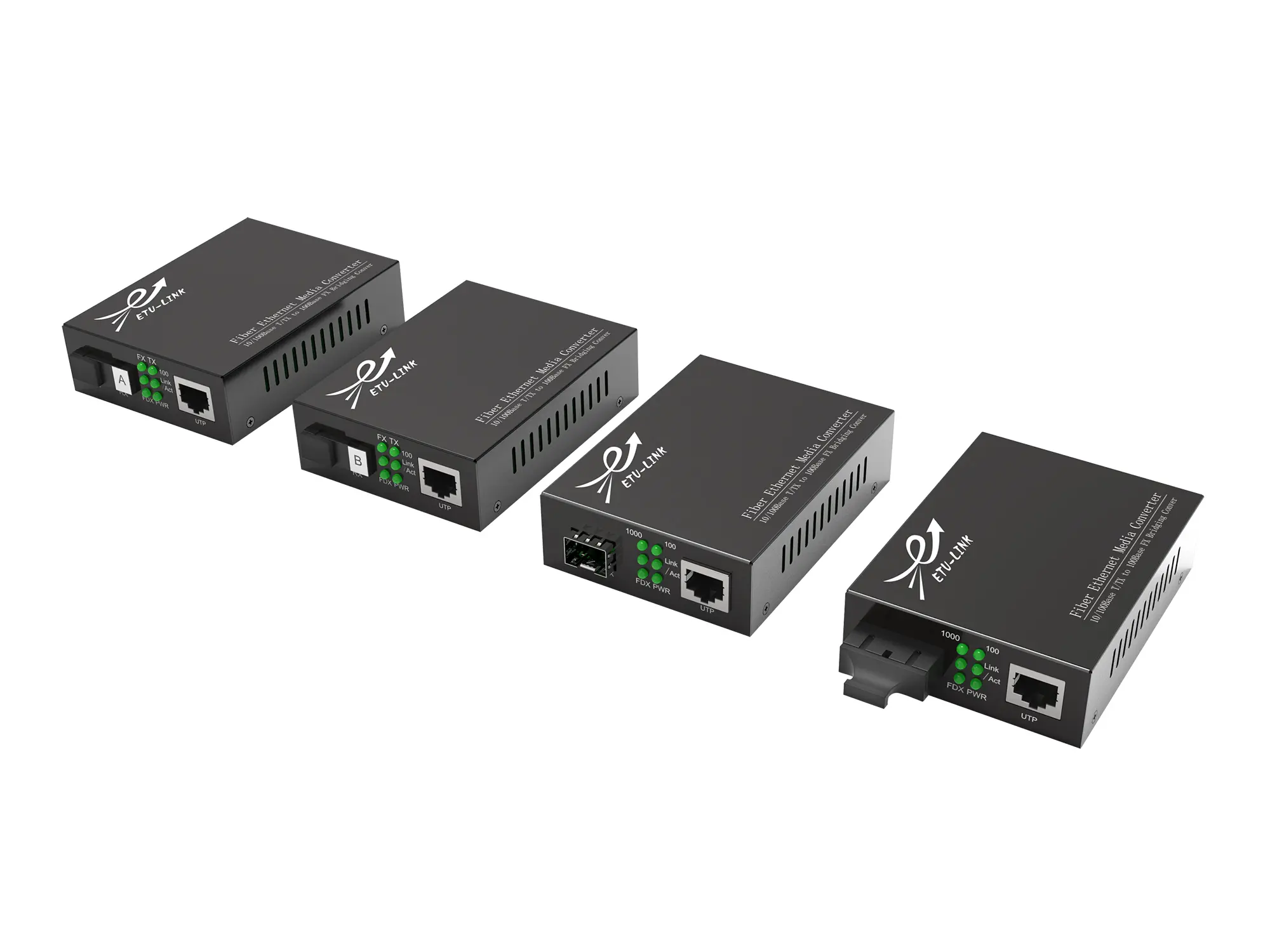 Media Converter