What is a 10G SFP+ RJ45 Copper Transceiver and How Does It Work?
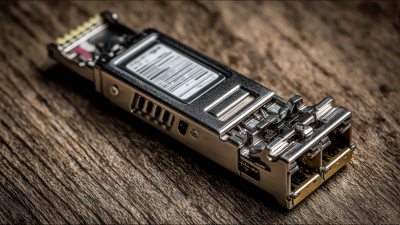
The "10G SFP+ RJ45 Copper Transceiver" is a crucial component in modern networking. It enables high-speed data transmission over copper cabling. With a capability of 10 Gbps, it meets the demands of today’s digital world. This small device facilitates seamless connectivity between network devices, such as switches and routers.
Understanding how the 10G SFP+ RJ45 Copper Transceiver works is essential for network professionals. It converts digital electrical signals into optical signals, allowing efficient communication. The RJ45 connector provides compatibility with existing Ethernet systems. However, users must consider limitations, such as distance and cable type.
Despite its advantages, the 10G SFP+ RJ45 Copper Transceiver can sometimes present challenges. It may require careful installation to avoid connectivity issues. Users must also assess their specific networking needs before implementation. Reflecting on these factors can lead to more informed decisions regarding network infrastructure.
What is a 10G SFP+ RJ45 Copper Transceiver?
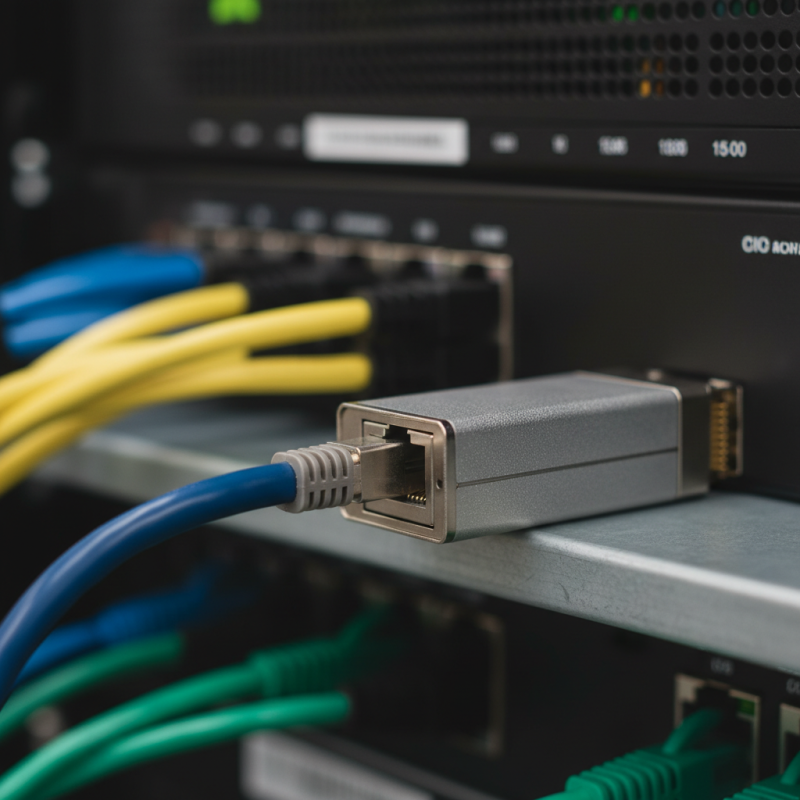
A 10G SFP+ RJ45 copper transceiver is a high-speed network component. It typically connects networking devices like switches and routers. This transceiver allows for 10 gigabit Ethernet connections over copper cabling. These cables are usually Category 6a or 7. This enables transmission distances of up to 100 meters. The low cost of copper cabling makes it a practical choice for many businesses.
According to industry reports, the adoption of 10G Ethernet is growing. By 2024, the market for these transceivers is expected to reach $3 billion. Businesses appreciate the efficient data transfer and reduced latency. The plug-and-play feature of the SFP+ RJ45 makes installation easy. However, users sometimes overlook compatibility issues with existing hardware.
Tip: Check your hardware's compatibility before purchasing. Also, consider future expansion needs.
Despite their advantages, there are limitations. Copper transceivers have a shorter range compared to fiber options. The electrical interference can also be a concern in certain environments. Awareness of these factors is crucial for optimal performance.
Tip: Always assess your environment before installation to choose the best solution. Quality cables can mitigate interference issues.
Key Features of 10G SFP+ RJ45 Copper Transceivers
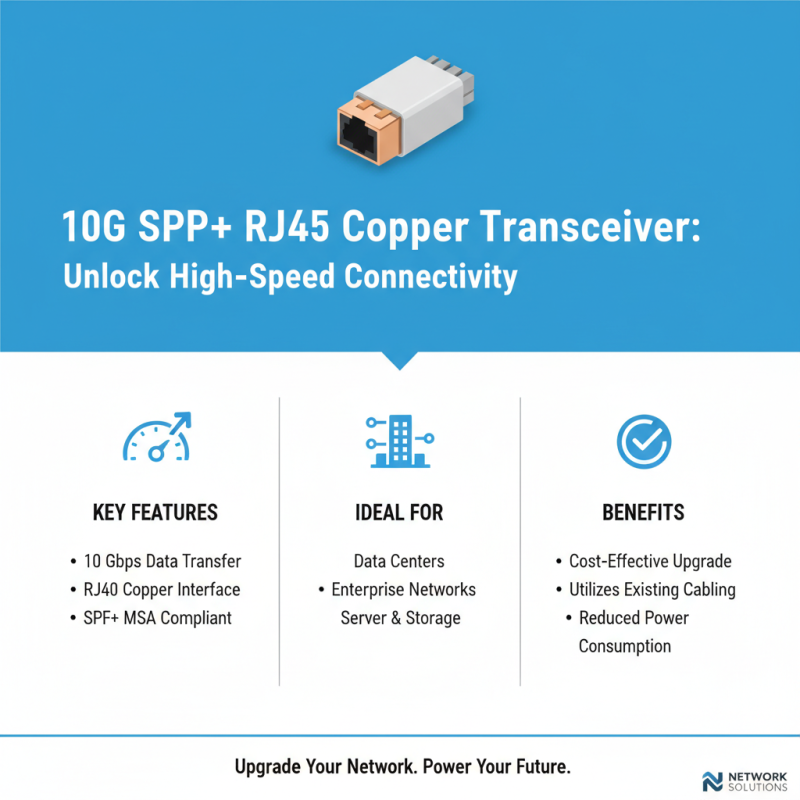
10G SFP+ RJ45 copper transceivers are vital for modern networking. They offer high-speed connectivity over twisted-pair cables. These transceivers support Ethernet speeds up to 10 Gbps, making them suitable for data centers and enterprise networks. Industry studies indicate that copper solutions can be a cost-effective alternative to optical fibers for short distances.
One key feature is their range. The 10G SFP+ RJ45 transceivers can reach distances up to 30 meters. This makes them ideal for equipment housed in close proximity, such as server racks. They typically use standard RJ45 connectors, allowing for easy integration into existing networks. Moreover, they are often powered by the network equipment, eliminating the need for external power sources.
Heat management can be challenging. Higher data rates generate more heat, which may affect performance. Some transceivers have thermal monitoring to help mitigate this issue. While they are convenient, the reliance on copper can introduce noise. This is especially a concern in environments with high electromagnetic interference (EMI). Thus, it’s essential to assess the installation location for potential disruptions before deployment.
How Does the 10G SFP+ RJ45 Copper Transceiver Work?
The 10G SFP+ RJ45 copper transceiver is an important component in networking. It enables high-speed connections up to 10 gigabits per second over standard copper cabling. This is invaluable for data centers and enterprise networks. The ability to use existing cabling infrastructure makes it a cost-effective choice.
The transceiver works by converting electrical signals into optical signals and vice versa. This process allows data to be transmitted efficiently over twisted-pair copper cables. Inside the transceiver, there are several critical components. These components include the chipsets responsible for signal processing. The design may seem simple, yet it requires precise engineering.
Setup can be tricky, especially regarding compatibility with different switches and routers. Users often encounter issues when integrating with older systems. This highlights the need for careful planning. While the speed is impressive, potential overheating can occur. Monitoring temperature is essential to ensure reliable operation. Overall, understanding how these transceivers function is crucial for maintaining optimal network performance.
Applications of 10G SFP+ RJ45 Copper Transceivers in Networking
10G SFP+ RJ45 Copper Transceivers have become essential in modern networking. These devices offer high-speed data transmission. They facilitate network connections over copper cables. This is particularly useful in short-range connections. These transceivers can support links up to 100 meters, ideal for many setups.
In today’s data-driven world, demand for speed is critical. Many businesses utilize 10G SFP+ RJ45 copper transceivers in their local area networks. They help connect switches and routers efficiently. This technology is also suitable for data centers. It provides reliable connectivity without the cost of fiber optics.
However, there are challenges. These transceivers can be sensitive to electromagnetic interference. Proper installation is essential for optimal performance. Users must also consider cable quality. It impacts overall network stability. While the advantages are clear, careful planning is necessary for best results.
10G SFP+ RJ45 Copper Transceiver in Networking Applications
This chart illustrates the importance of 10G SFP+ RJ45 Copper Transceivers across various networking applications. The ratings reflect their significance in areas such as Data Centers and Enterprise Networks, indicating their crucial role in achieving high-speed connectivity and efficiency.
Comparing 10G SFP+ RJ45 Copper with Other Transceiver Types
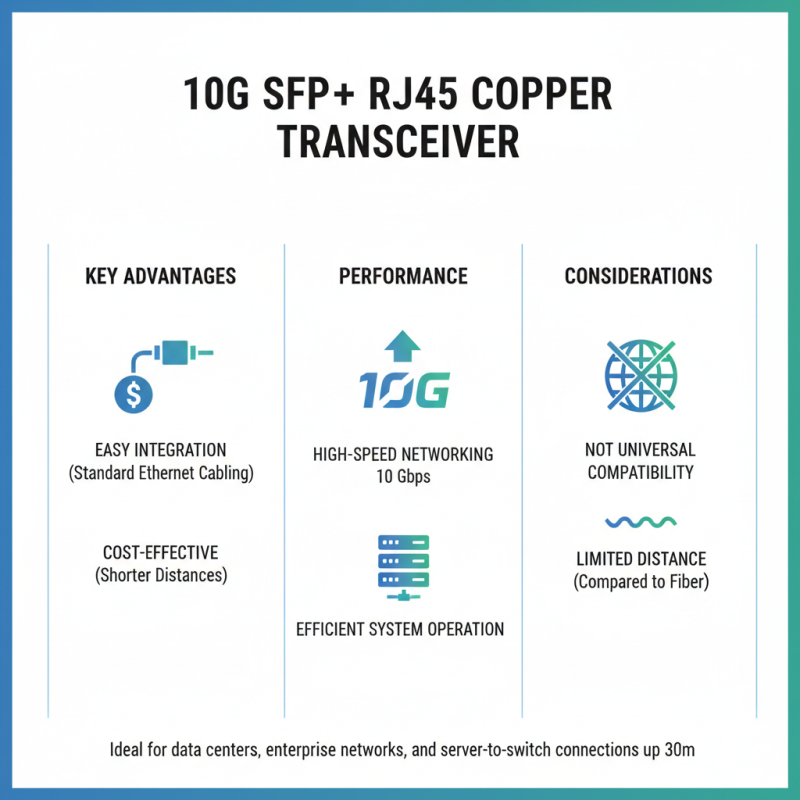
The 10G SFP+ RJ45 copper transceiver stands out in high-speed networking. It utilizes standard Ethernet cabling, making it easy to integrate. Compared to optical transceivers, it offers a cost-effective choice for shorter distances. Many systems can operate efficiently using this transceiver. However, it isn't universally suitable.
When comparing it to other types, like SFP+ optical modules, there are key differences. Optical modules are better over long distances. They excel in environments with high electromagnetic interference. Meanwhile, copper transceivers work well in data centers for shorter connections. They require less power, which can lower operational costs. Yet, signal quality can degrade over longer runs.
This means some users may face challenges. For instance, a 10G SFP+ RJ45 may not perform well outside its design limits. Users must assess their needs carefully. The choice between copper and optical should consider distance, budget, and environment. Be prepared for unexpected obstacles, especially in mixed setups. The right decision depends on clear assessment.

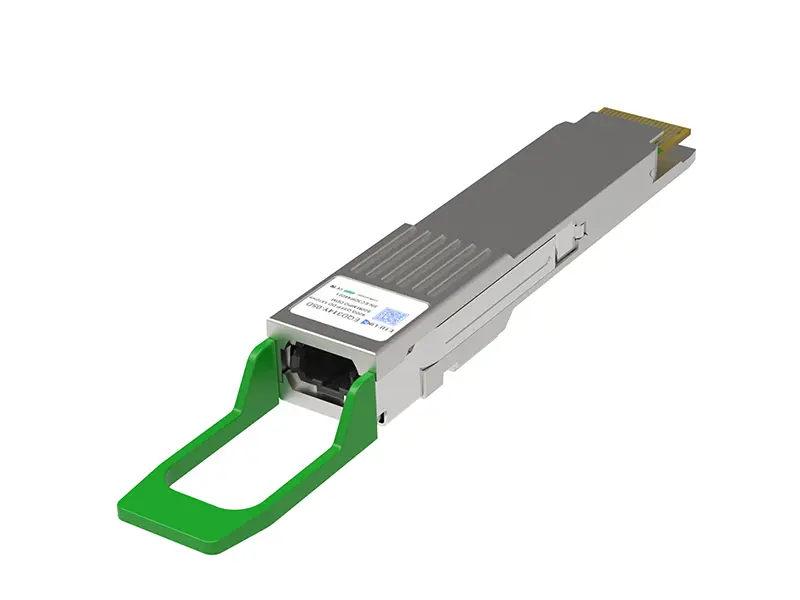 400G
400G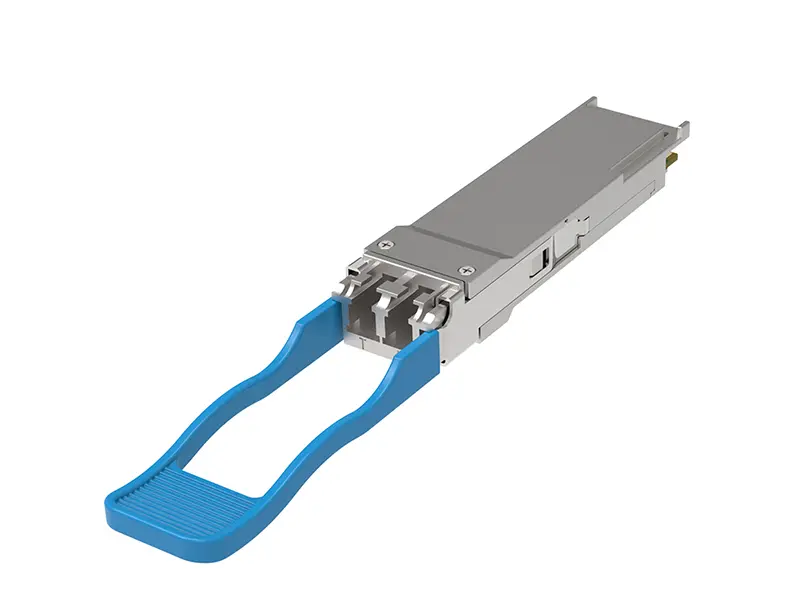 200G
200G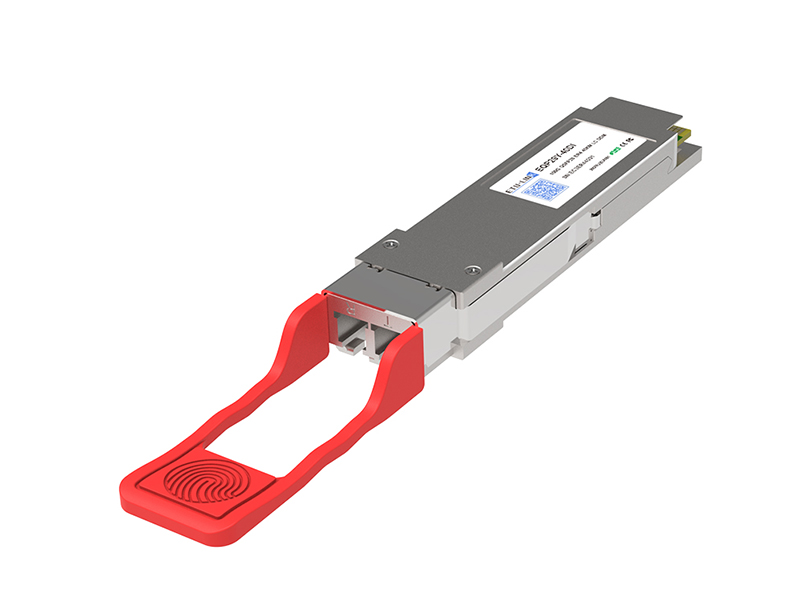 100G
100G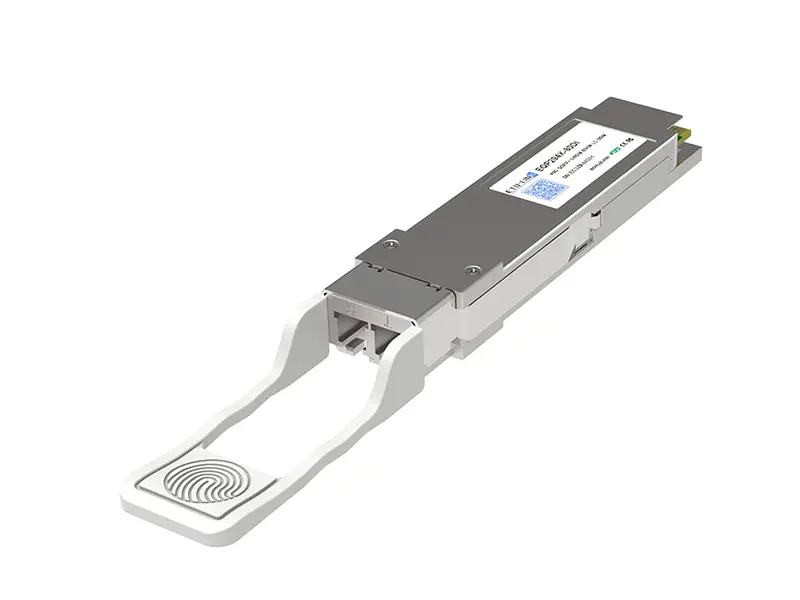 40G
40G 25G
25G 10G
10G 1G
1G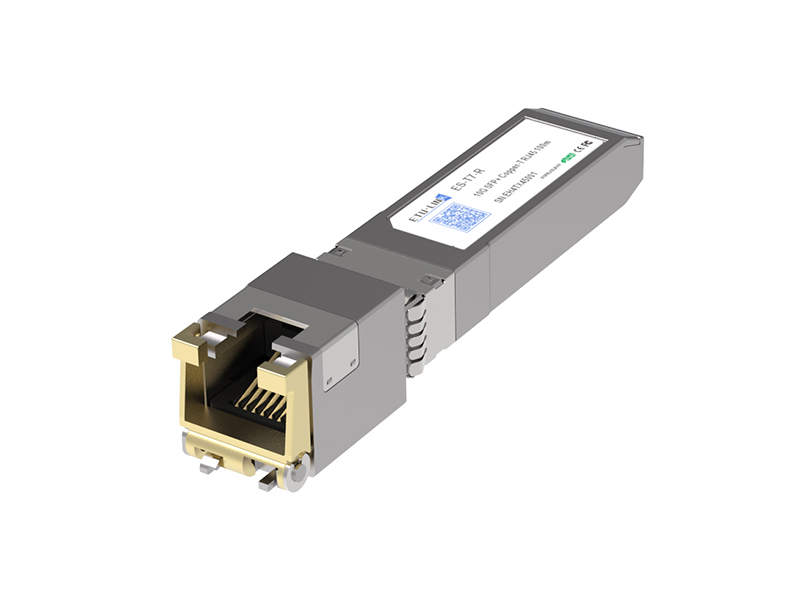 COPPER-T
 Other
Other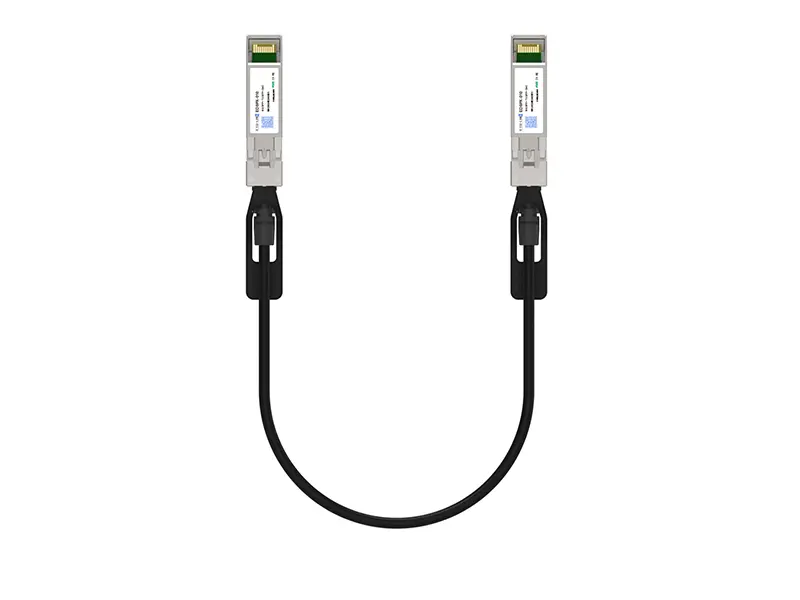 10G SFP+ DAC
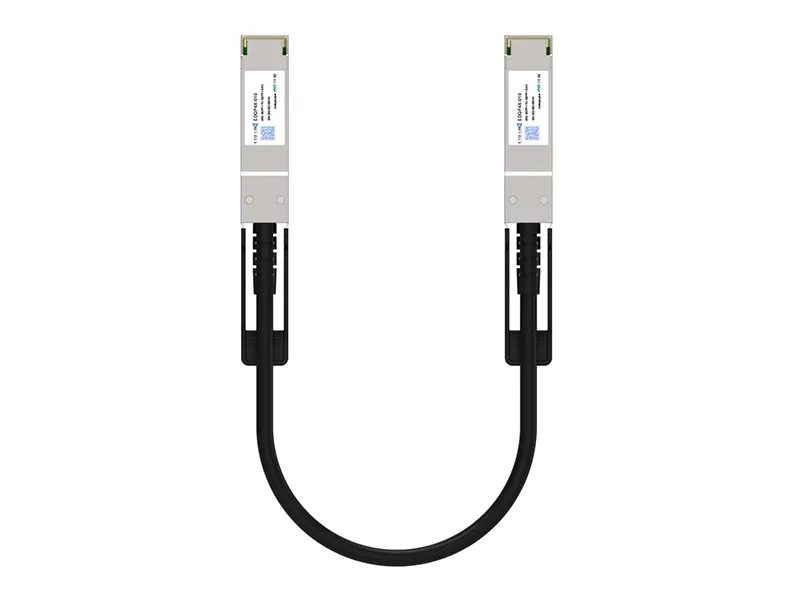 40G QSFP+ DAC
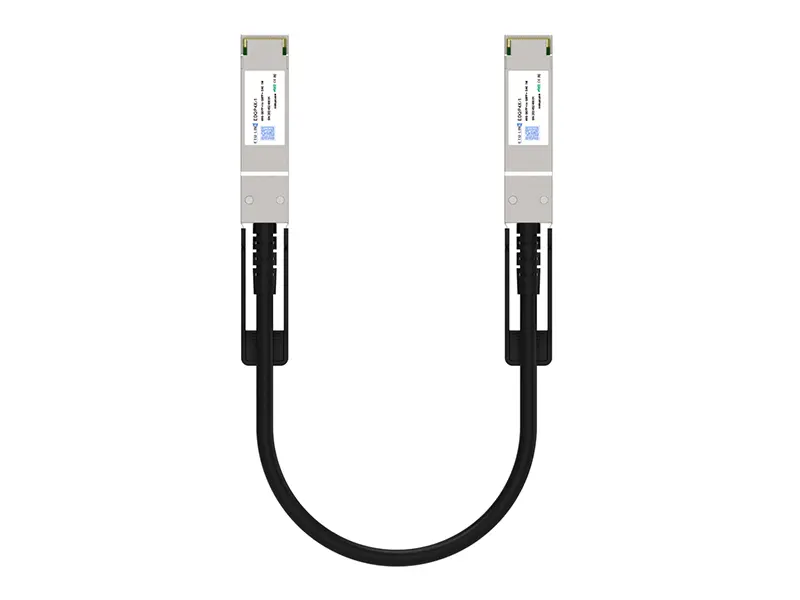 56G QSFP+ DAC
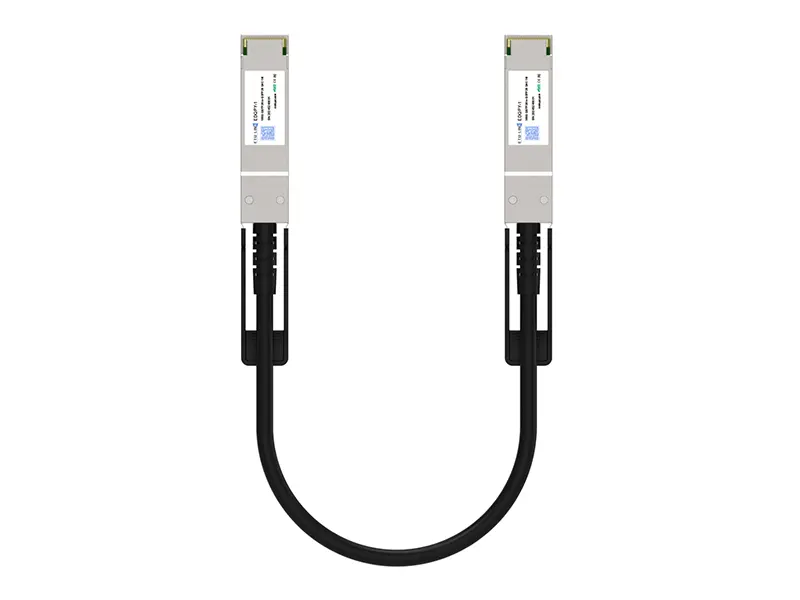 100G QSFP28 DAC
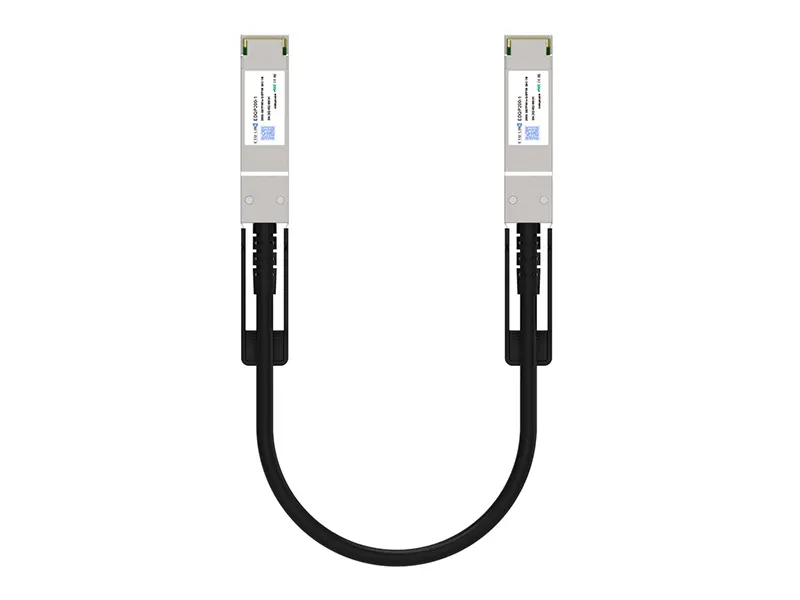 200G QSFP56 DD DAC
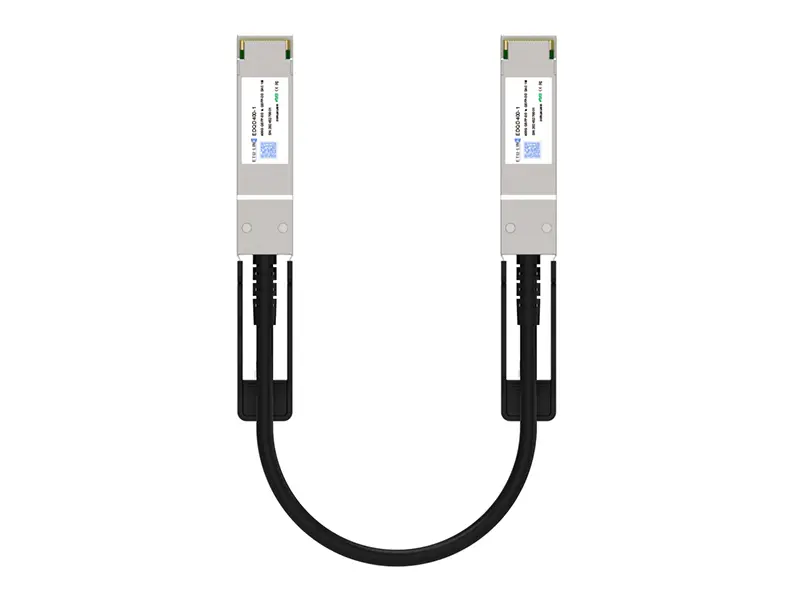 400G QSFP DD DAC
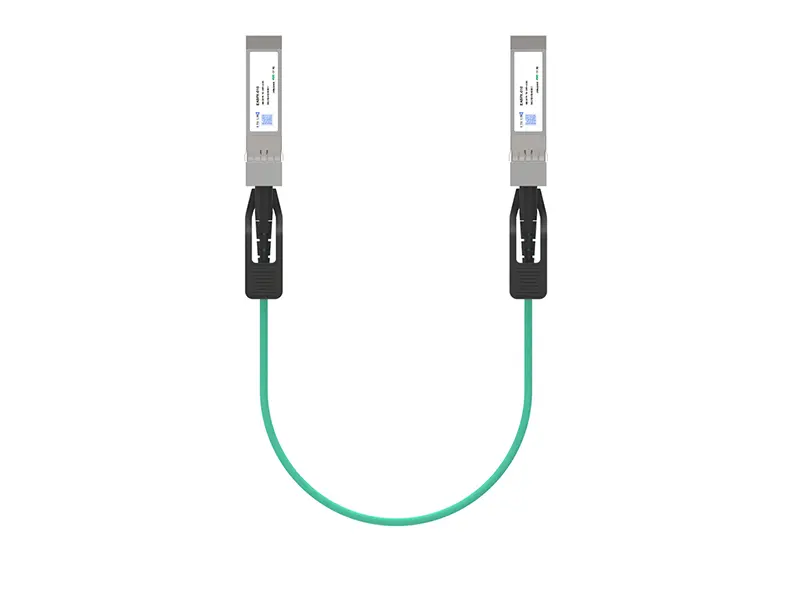 10G SFP+ AOC
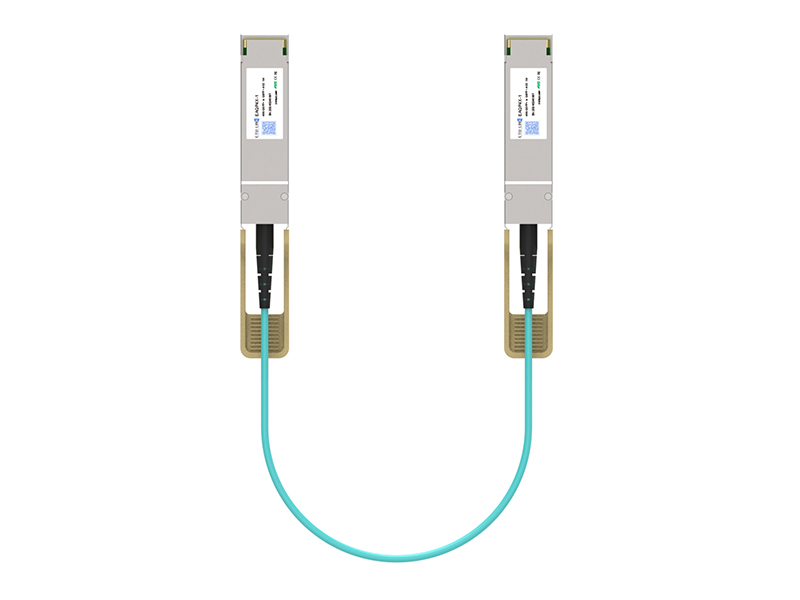 40G QSFP+ AOC
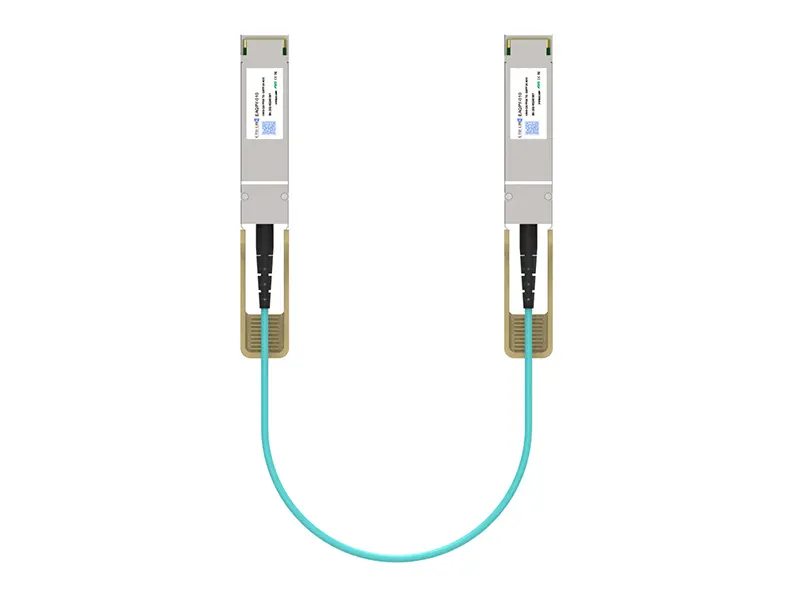 100G QSFP28 AOC
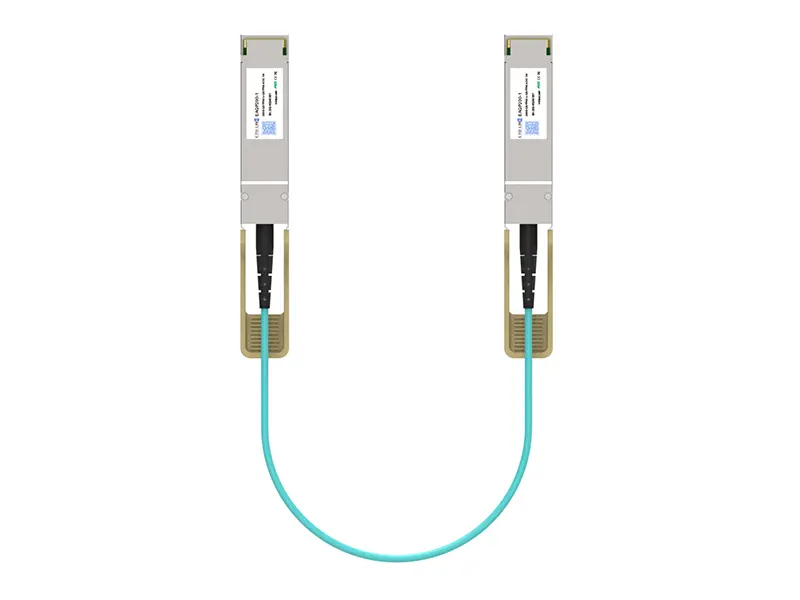 200G QSFP56 AOC
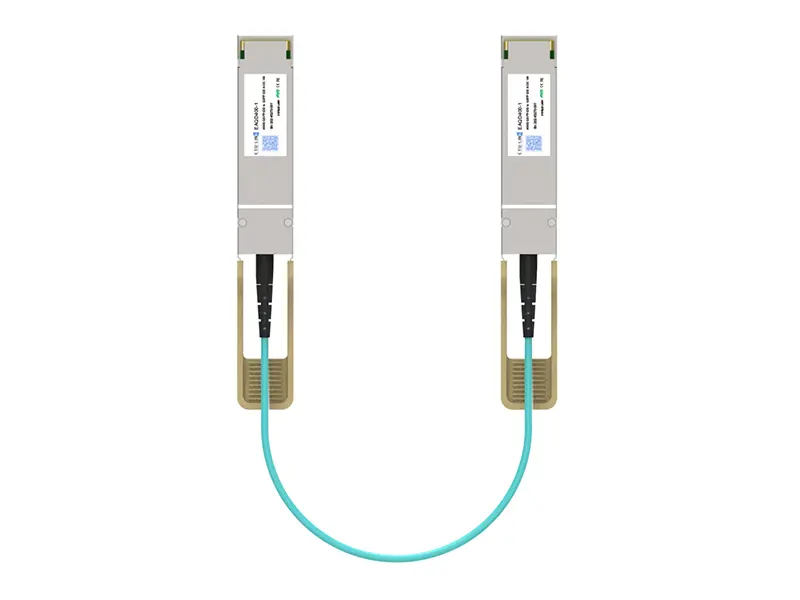 400G QSFP-DD AOC
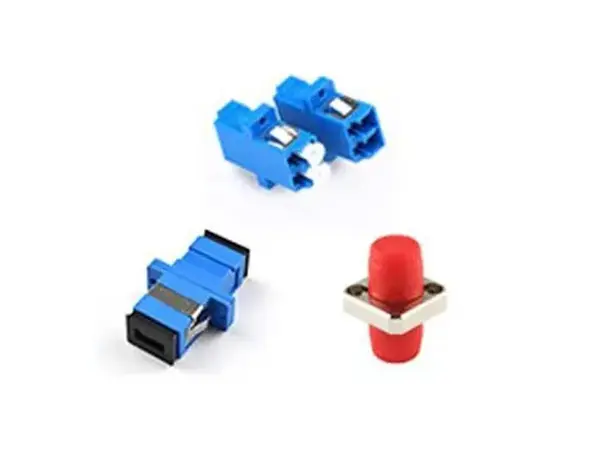 Adapter Details
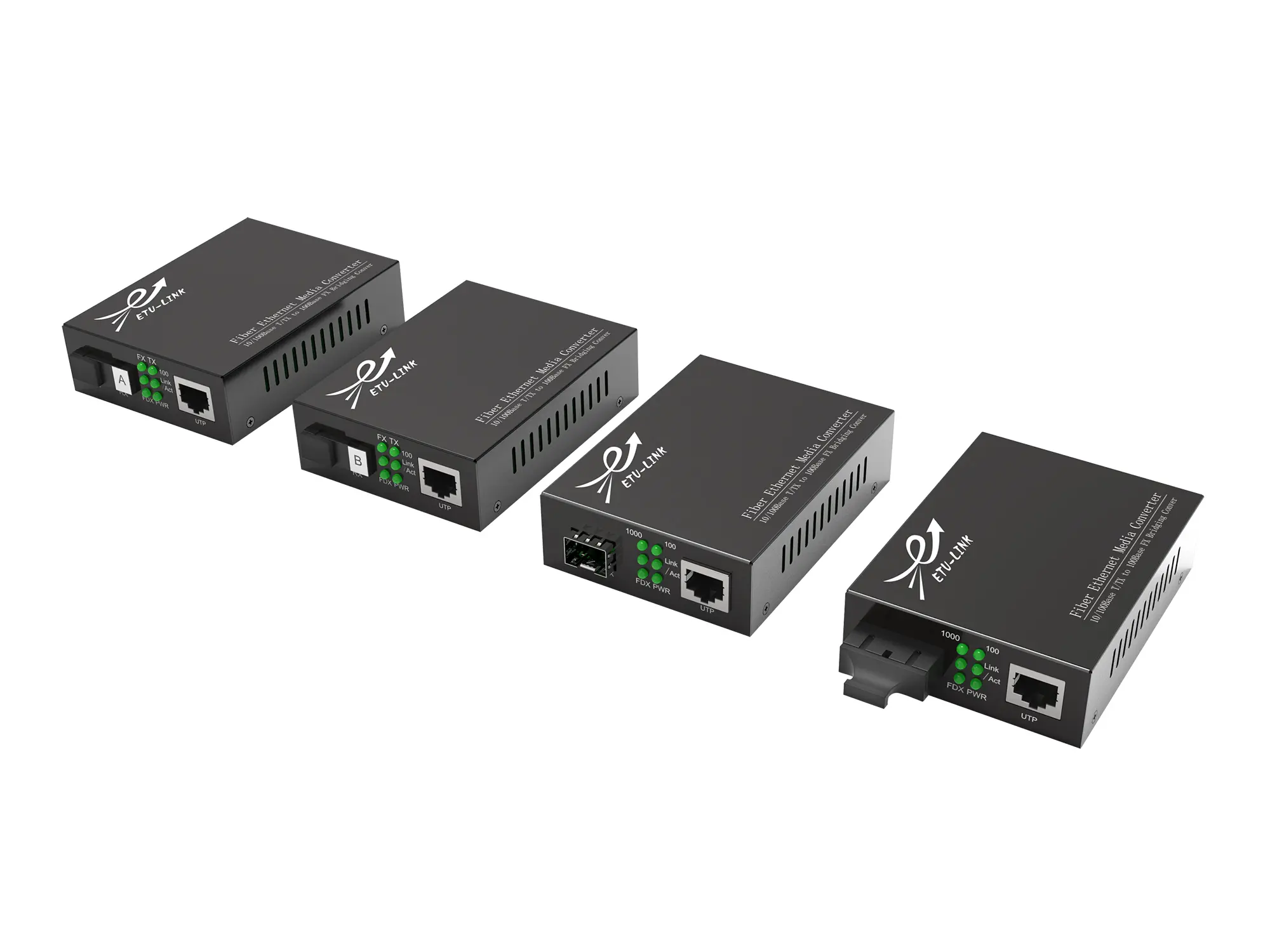 Media Converter