10G SFP+ Active Optical Cable Why Choose This Solution?
In the rapidly evolving world of data transmission, the 10G SFP+ Active Optical Cable stands out as a compelling solution. Experts in the field, such as Dr. Michael Harris, emphasize its efficiency. He once stated, “The 10G SFP+ Active Optical Cable is revolutionizing how we think about speed and connectivity.” This technology connects devices at rates previously unattainable with copper cables.
Real-world applications highlight the necessity of the 10G SFP+ Active Optical Cable. Data centers, for instance, rely on this solution for high-bandwidth tasks. Events like system upgrades often reveal shortcomings in older cabling technologies. While some may hesitate to adopt new solutions, the benefits of speed and reduced power consumption are significant.
However, challenges remain. Implementing the 10G SFP+ Active Optical Cable may require initial investment and training. Organizations must assess their existing infrastructure and adaptability. With careful planning, the transition to this advanced technology can pave the way for future growth.

What is 10G SFP+ Active Optical Cable?
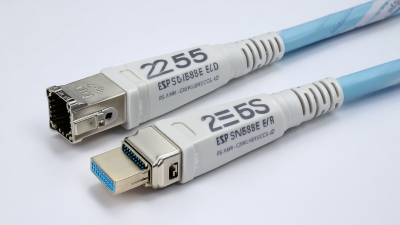
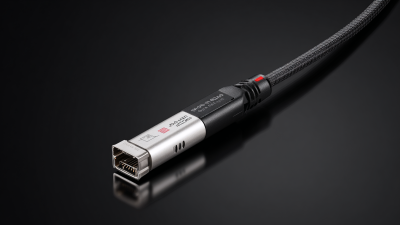
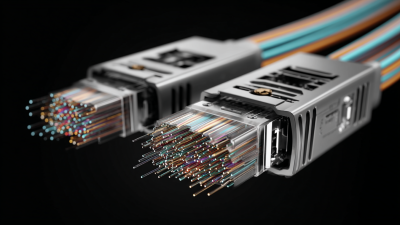
The 10G SFP+ Active Optical Cable is an innovative solution designed for high-speed data transfer. This cable utilizes fiber optic technology to provide superior bandwidth and distance capabilities. According to industry reports, it can support data rates of up to 10 Gbps over distances of 300 meters. This makes it ideal for data centers and enterprise networks.
One key advantage of this solution is its lightweight design. Unlike traditional copper cables, it is easier to manage and install. Many organizations find that the reduced weight leads to lower installation costs. However, while fiber optic cables offer numerous benefits, they might require specialized training for effective installation and maintenance.
Tip: Always consider the network environment when choosing cables. Are you in a high-interference area? A fiber optic solution might be worthwhile.
Another crucial aspect is flexibility. Active Optical Cables are flexible and can be bent without compromising performance. This is beneficial in tight spaces. Yet, users need to factor in the cost. Active Optical Cables can be pricier than their passive counterparts. Assessing long-term benefits versus initial costs is essential for budget planning.
Tip: Regularly review your networking needs to ensure your cable solutions fit your evolving requirements.
Key Features of 10G SFP+ Active Optical Cable
The 10G SFP+ Active Optical Cable (AOC) presents a compelling solution for modern networking needs. One of its key features is its lightweight design. Compared to traditional copper cables, AOCs are significantly lighter, making installation easier and reducing overall infrastructure load. According to a recent industry report, the demand for lightweight cables in data centers has increased by over 40% in the past two years. This trend underscores the growing need for more efficient connectivity solutions.
Another notable feature is the cable's ability to transmit data over longer distances. AOCs can effectively reach up to 300 meters, while copper options typically max out around 30 meters. This extended reach allows for greater flexibility in network design. A comparative study highlights that nearly 70% of enterprises benefit from longer cable runs, which optimize their layout and reduce equipment costs.
Moreover, AOCs offer excellent power efficiency. They consume less power than copper cables, resulting in lower operational costs. Despite the promising features, it’s important to consider the potential challenges. Compatibility with existing equipment can sometimes be an issue, requiring careful planning before implementation. In a fast-evolving industry, reevaluating these solutions is crucial for maximizing performance and efficiency.
10G SFP+ Active Optical Cable - Key Features
| Feature |
Description |
| Data Rate |
Supports 10 Gbps data transmission speed |
| Distance |
Capable of transmitting data up to 300 meters |
| Connector Type |
SFP+ (Small Form-factor Pluggable Plus) |
| Power Consumption |
Low power consumption, typically less than 1W |
| Compatibility |
Compatible with standard 10G Ethernet equipment |
| Weight |
Lightweight design for easy installation |
| Durability |
High durability with flexible cable construction |
Advantages of Using 10G SFP+ Active Optical Cable
10G SFP+ Active Optical Cables (AOCs) have become increasingly popular in modern data centers. These cables provide high bandwidth and reliable transmission over long distances. According to industry reports, AOCs can transmit data up to 100 meters while maintaining low power consumption. This makes them particularly appealing for environments where efficiency is crucial.
One key advantage of using 10G SFP+ AOCs is their lightweight nature. They are more flexible than traditional copper cabling. This feature allows for easier installation and management within confined spaces. Data centers can optimize their layouts without worrying about the weight of heavy cables. Additionally, AOCs are resistant to electromagnetic interference (EMI), ensuring stable performance. Research indicates that they can reduce installation time by up to 50%.
However, some challenges remain. The cost of these cables can be higher than copper alternatives. Organizations must assess budget constraints carefully. Moreover, AOCs require compatible equipment. This might limit options for upgrades in older systems. Despite these considerations, the benefits of using 10G SFP+ AOCs in data-intensive applications often outweigh the drawbacks. They continue to be a strong solution for enhancing data transmission capabilities.
Applications of 10G SFP+ Active Optical Cable in Networking
The 10G SFP+ Active Optical Cable (AOC) has significant applications in networking. It provides a cost-effective solution for data centers and enterprises seeking high-speed connections. According to a recent report by the International Data Corporation, optical cables are growing in demand due to their ability to manage bandwidth efficiently. Many organizations are moving towards 10G technology to keep pace with increasing data usage.
AOC is particularly useful in long-distance connections within data centers. They can support distances of up to 100 meters, which is crucial for interconnecting servers and switches. In a typical setup, the AOC can reduce latency and energy consumption compared to traditional copper cables. However, organizations must assess cable lengths and installation environments to avoid potential installation pitfalls, like bends and cable management issues.
Moreover, the adoption of 10G AOC is not without challenges. While they offer speed, issues like compatibility with existing infrastructure can arise. Transitioning from older systems to newer technology often requires planning and investment. A report by the Global Industry Analysts indicates that while the market for AOCs is expected to grow, companies need to be strategic about implementation. Failing to understand the specific needs of a network can lead to wasted resources and inefficiencies.
Comparison with Other Connectivity Solutions
Active optical cables (AOCs), particularly the 10G SFP+ versions, offer unique advantages over traditional connectivity solutions. For data centers and high-performance computing, AOCs can transmit data over distances up to 100 meters. This is significant when considering that copper cables often face limitations, especially beyond short runs. A market report from Research and Markets suggests that the AOC market will grow annually by 17.2% through 2026, reflecting increasing demand for efficient, high-speed connections.
Moreover, AOCs are lighter and more flexible compared to copper cables. They reduce the risk of interference, which can lead to data loss. A study by IDC found that nearly 30% of networking issues stem from physical layer faults, often caused by poor cabling. In contrasting environments, such as confined spaces in server racks, AOCs can minimize clutter and enhance airflow. However, cost remains a consideration. While AOCs typically come at a premium, they can result in lower total costs due to reduced energy consumption and maintenance needs.
It’s worth noting that not every scenario benefits from AOCs. They require careful planning in terms of deployment and capacity. If a facility often changes equipment, it could lead to wasted investments. The trade-offs are real and must be evaluated. Choosing the right connectivity solution often depends on specific use cases and long-term network strategies.

 400G
400G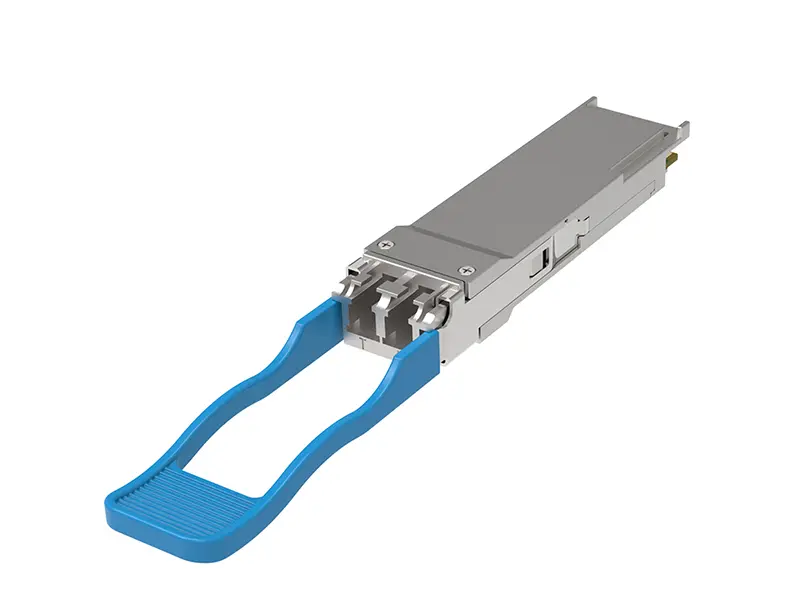 200G
200G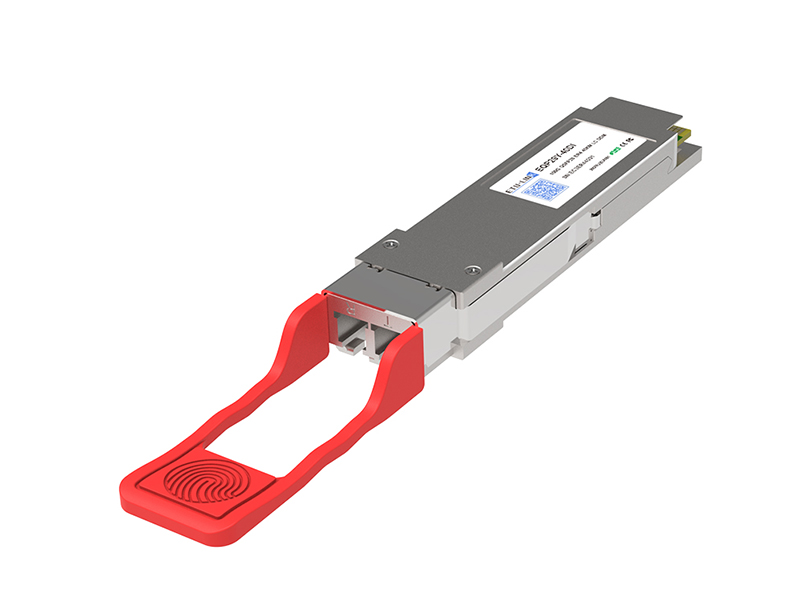 100G
100G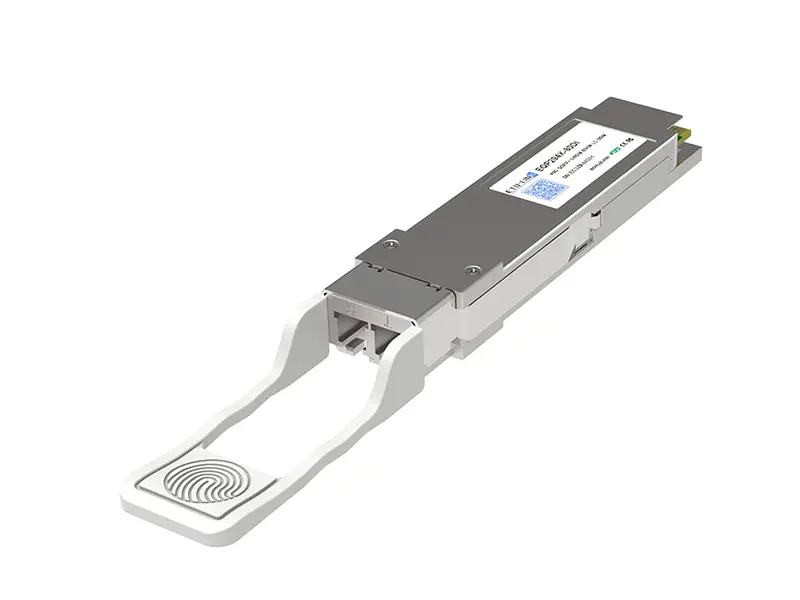 40G
40G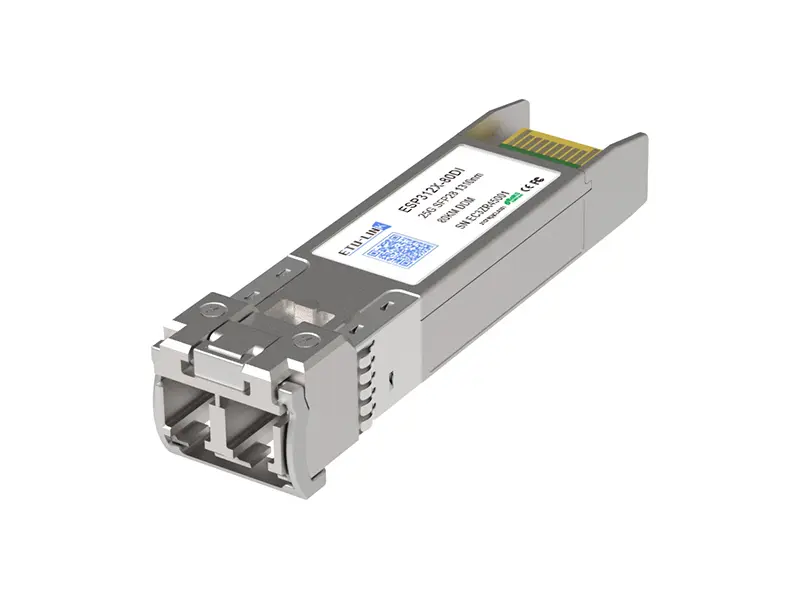 25G
25G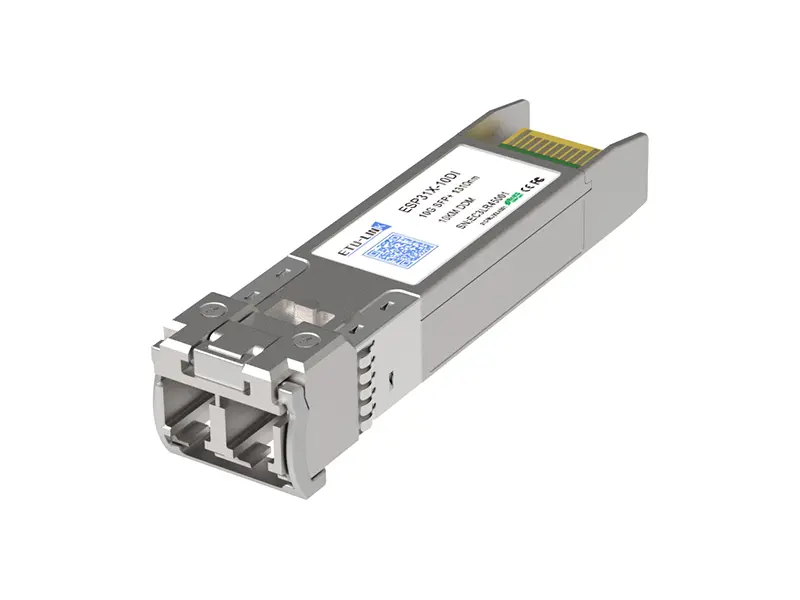 10G
10G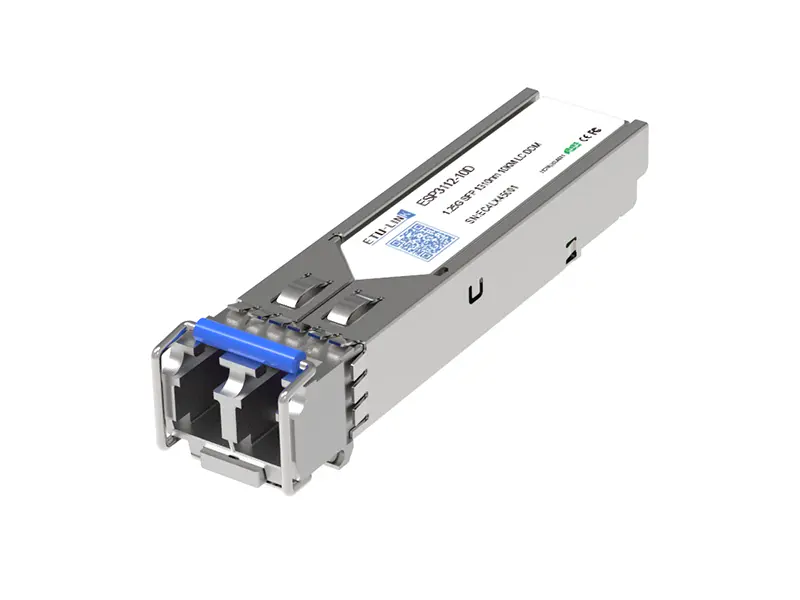 1G
1G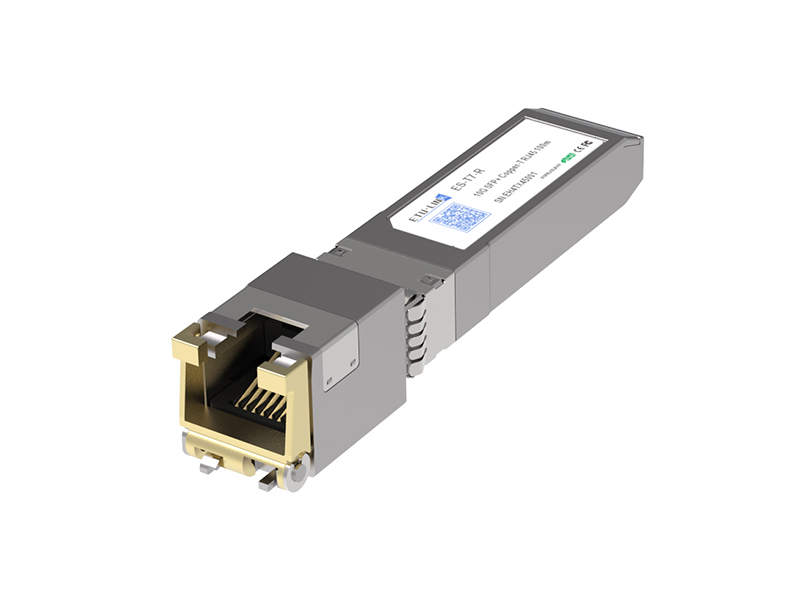 COPPER-T
 Other
Other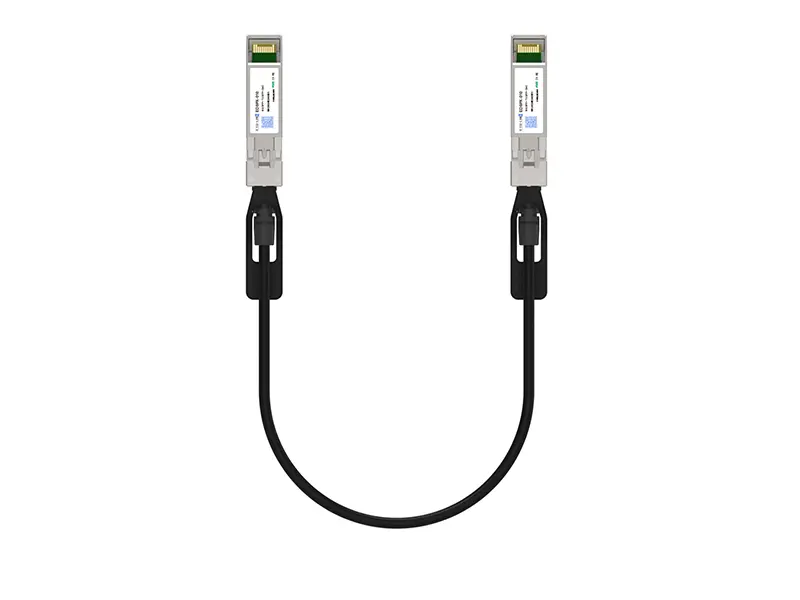 10G SFP+ DAC
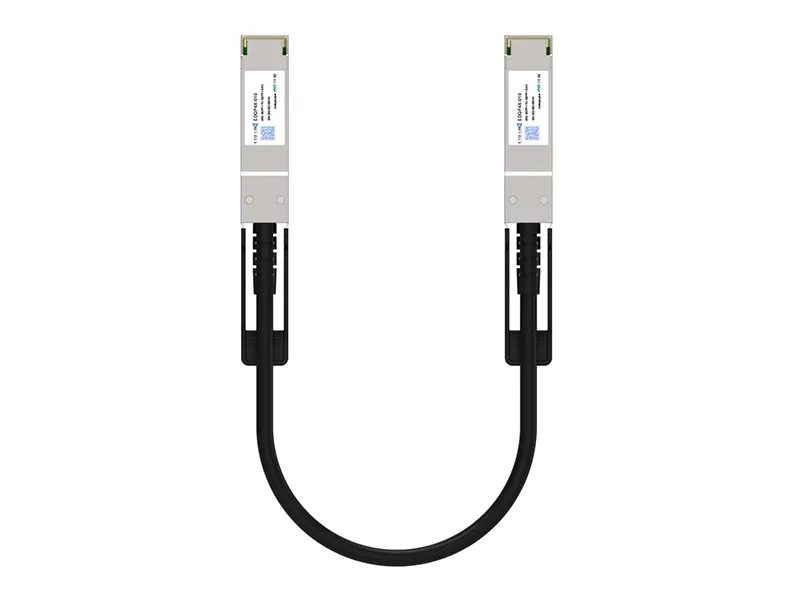 40G QSFP+ DAC
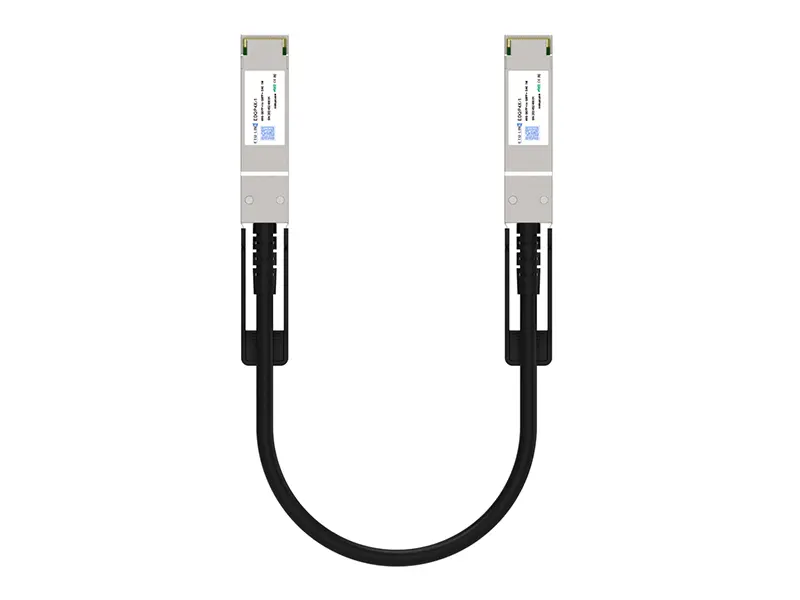 56G QSFP+ DAC
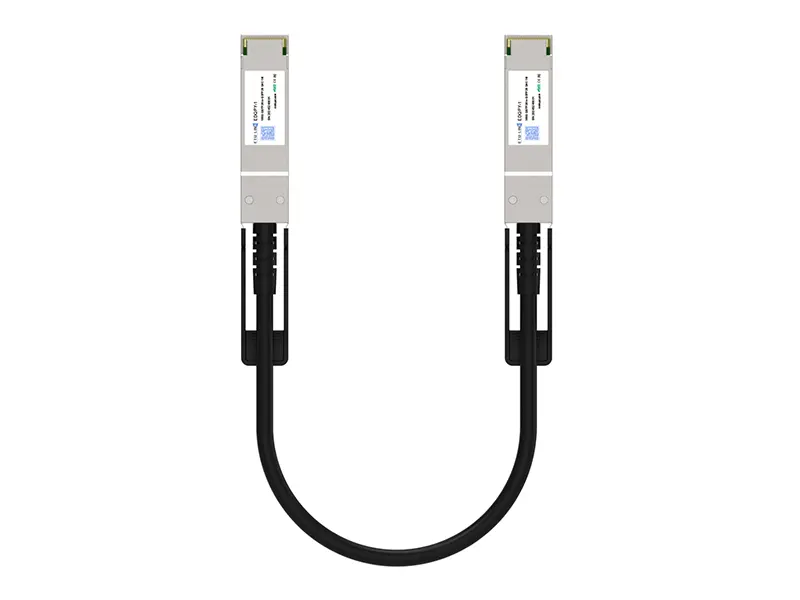 100G QSFP28 DAC
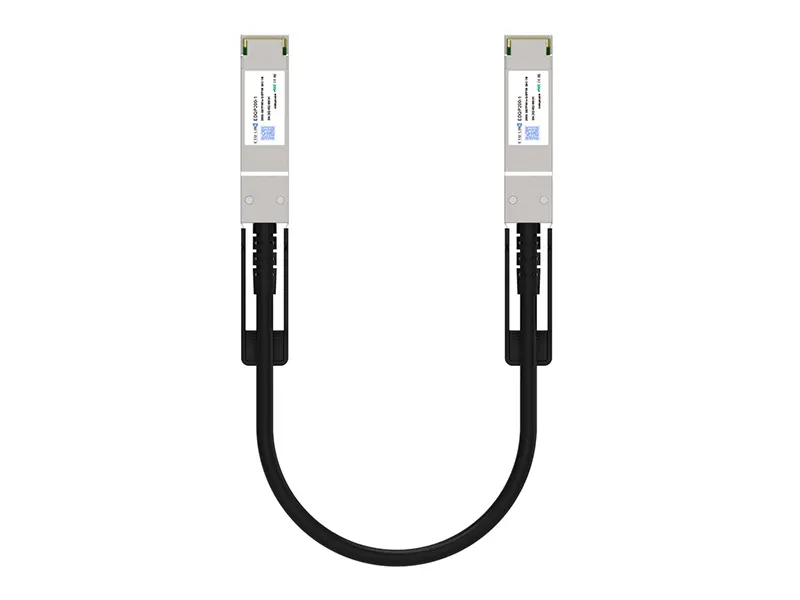 200G QSFP56 DD DAC
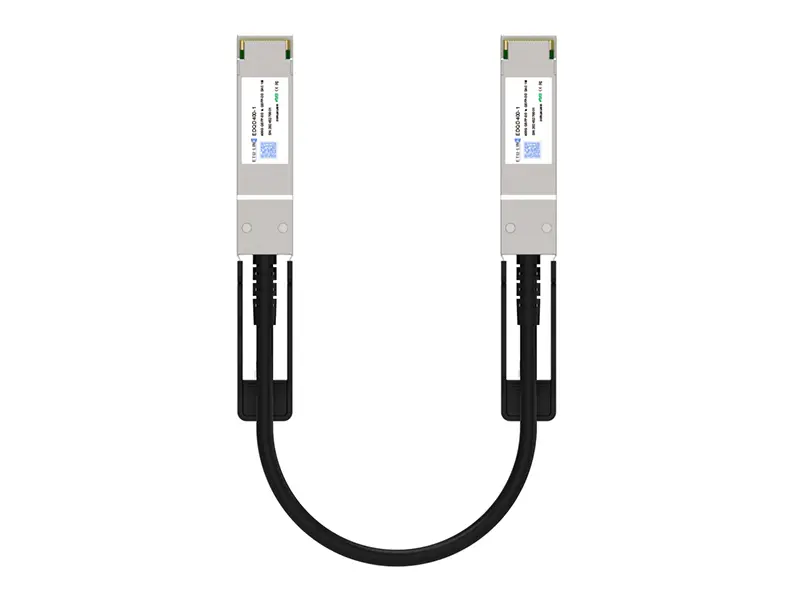 400G QSFP DD DAC
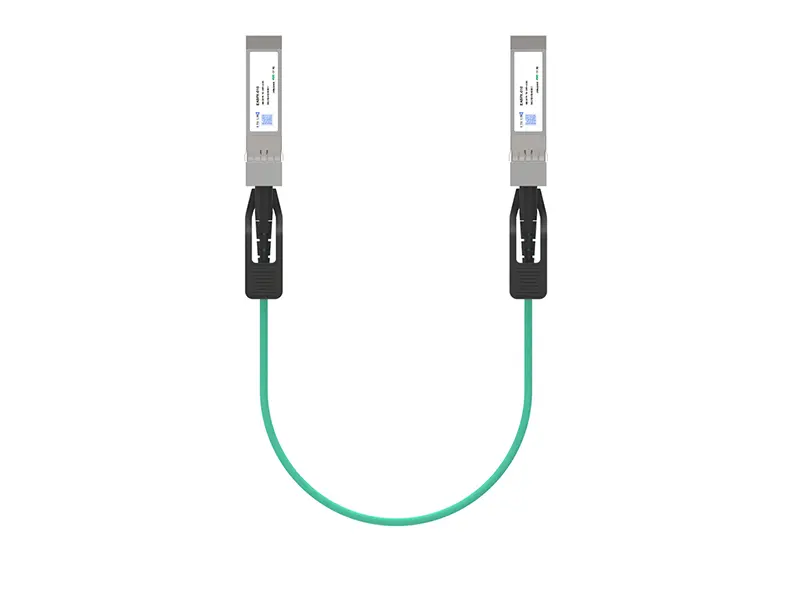 10G SFP+ AOC
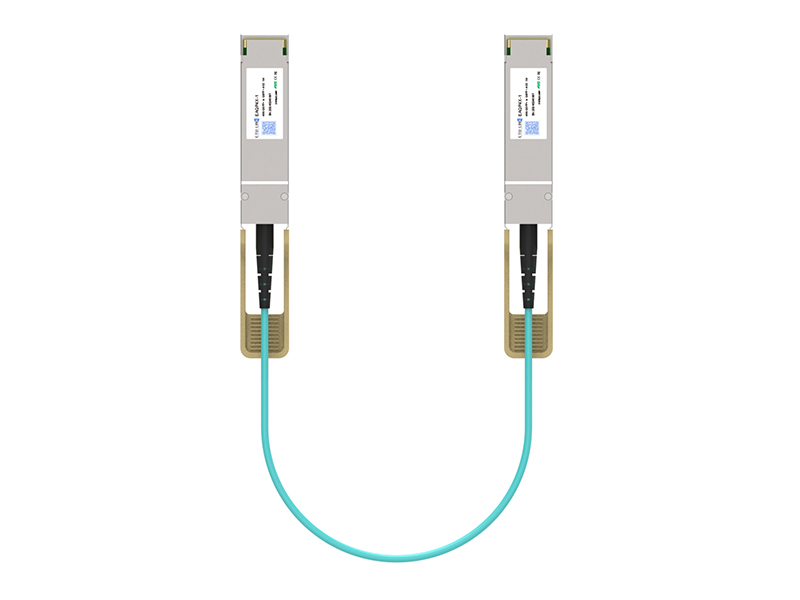 40G QSFP+ AOC
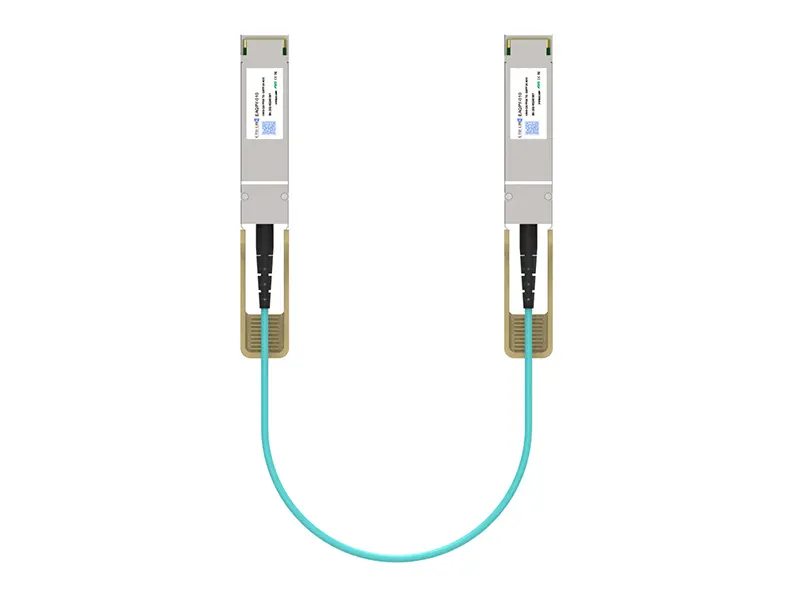 100G QSFP28 AOC
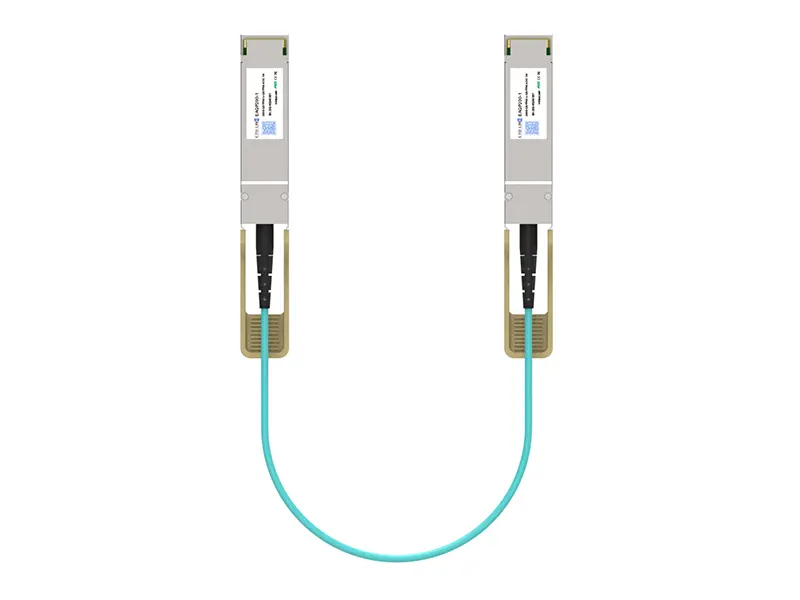 200G QSFP56 AOC
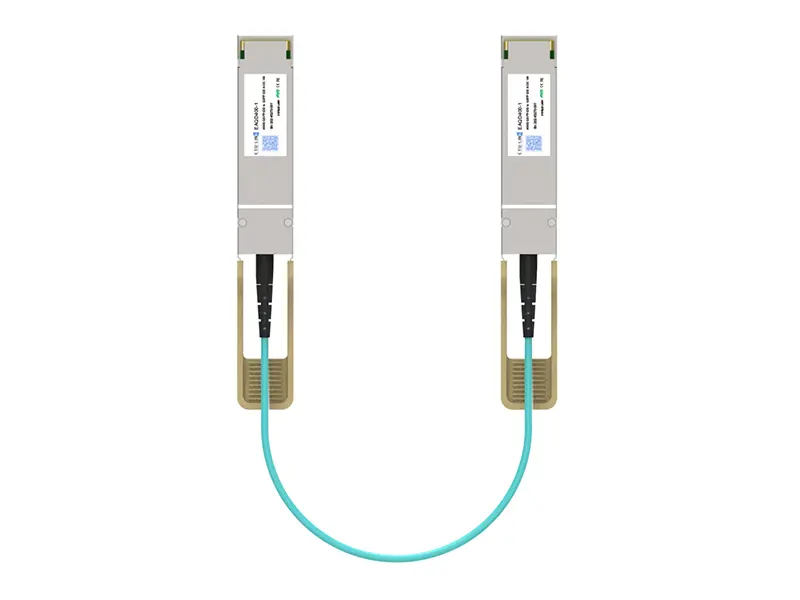 400G QSFP-DD AOC
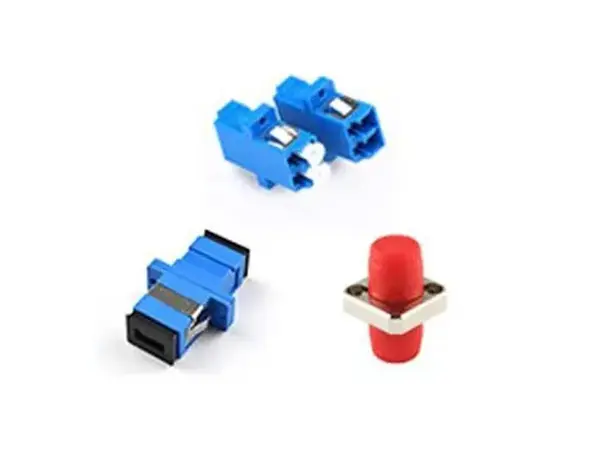 Adapter Details
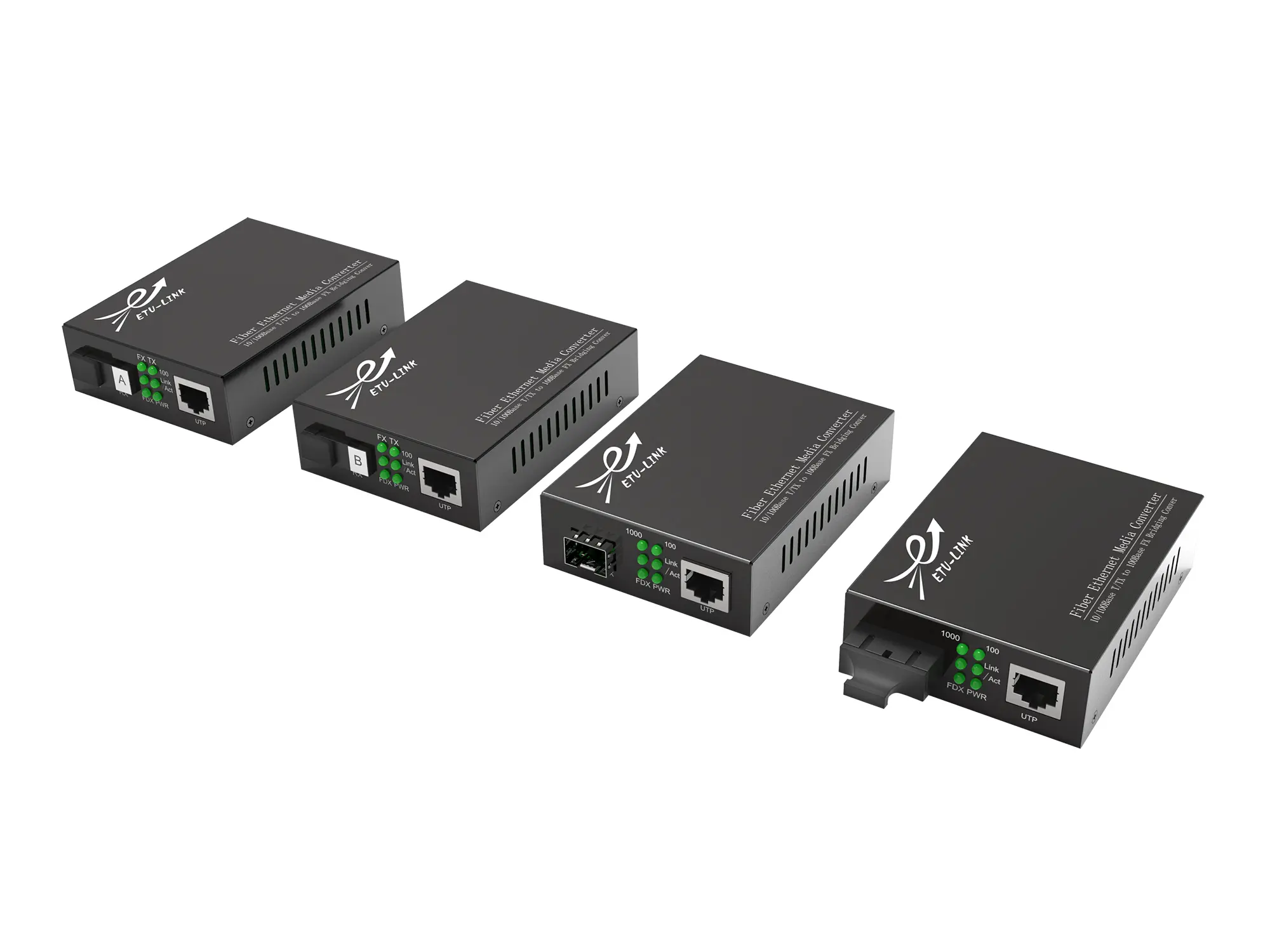 Media Converter